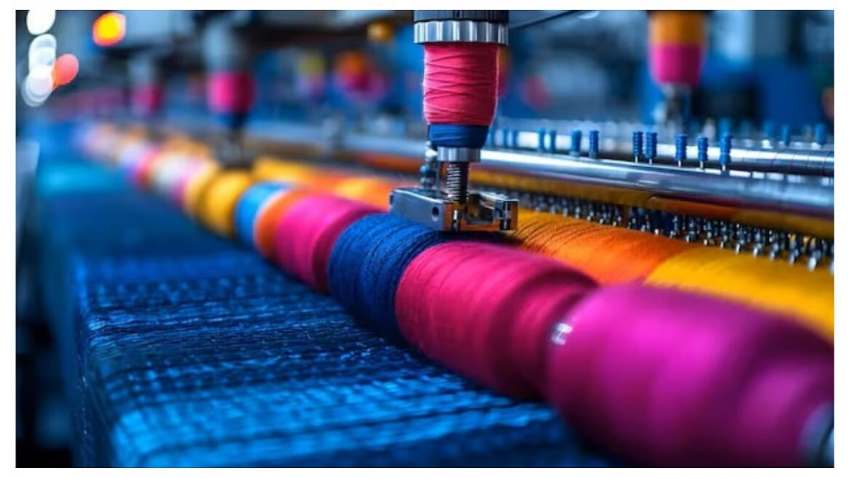
Sri Lanka's apparel sector is heading for a major crisis due to an acute labor shortage. This needs to be addressed by using latest technology. Apparel is a labor intensive sector and the current labor shortage will be a challenge for the sector.
In 2016, half of Sri Lanka’s total revenues were from the textile and garment sector and this ratio has remained the same for several years. Sri Lanka's export basket has not changed much since the 1990s. If the country is to substantially increase export revenues, diversifying to new sectors is key. Similarly diversification of markets is also a priority for Sri Lanka.
With GSP Plus trade arrangement Sri Lanka has a great potential to export apparel to EU countries duty free but the skill labor shortage would hamper the opportunity to tap that lucrative market. The EU aims to support Sri Lanka’s economic growth by launching a series of initiatives which includes support to design and implement a coherent trade strategy for export competitiveness, support for trade policy development and regulatory reforms, enhancement of Sri Lanka's WTO trade negotiations capacity, support Sri Lanka's regional integration process and help Sri Lanka maximize the use of the EU GSP Plus scheme when it is granted.

- 1
- 2
- 3
- 4
- 5
- 6
- 7
- 8
- 9
- 10
China’s inward turn, domestic demand is rewriting the export model
China is undergoing one of its most consequential economic recalibrations in decades, driven by geopolitical instability, rising Western protectionism, and... Read more
Why Shein sees itself as a technology company, not a fashion brand
The modern fashion industry has traditionally been defined by creativity, merchandising expertise and global sourcing networks. Yet few companies have... Read more
India’s textile sector turns crisis into competitive advantage
India’s textile and apparel industry has emerged from one of the most turbulent periods in its recent history, transforming a... Read more
India’s Export Divide: Textile mills advance, apparel makers face global headwin…
India’s textile and apparel (T&A) sector entered FY2027 with a striking internal contradiction. While the country’s overall merchandise exports increased... Read more
China’s inward turn, domestic demand is rewriting the export model
China is undergoing one of its most consequential economic recalibrations in decades, driven by geopolitical instability, rising Western protectionism, and... Read more
Egypt bets on a $2 bn green textile city to become Europe’s next sourcing hub
Egypt is making a decisive play to become one of the world's most important apparel manufacturing destinations after securing a... Read more
EU textile imports hit $295.66 bn as price wars mask manufacturing stress
The European Union’s textile and apparel imports grew to $295.66 billion in 2025, a 9.4 per cent year-on-year increase from... Read more
Landmark India-UK trade pact to supercharge textile export margins
The long-awaited India-UK Comprehensive Economic and Trade Agreement (CETA) is officially scheduled to commence on July 15, 2026. This breakthrough... Read more
Is it the end of aspirational luxury? Asia’s consumers demand more than logos
While the global personal luxury goods market remains broadly stable at around €358 billion, the apparent resilience masks a deeper... Read more
Vietnam wins, India slips as US apparel sourcing undergoes massive reset
A trade realignment is transforming the global apparel market, yet India’s manufacturing has stalled at the starting line. Newly released... Read more