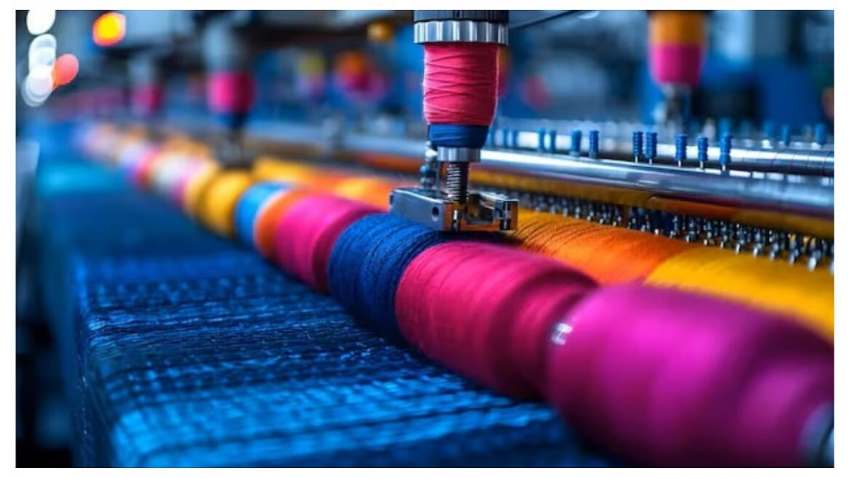
Sri Lankan exporters want tax exemptions. They feel the country can be a sourcing hub much like Hong Kong and they can specialize in value additions in terms of products and styles. Sri Lanka is not very competitive when it comes to apparel exports. Bangladesh has the advantage of cheap labor and so can be more competitive. Lanka can however capitalize on being internationally recognized in terms of quality and delivery. So modernization and industrialization in technology and machinery could help. Incorporation of new technologies will result in efficiency, help existing workers be more productive and break the monotonous nature of their jobs.
Sri Lanka feels apparel exports are no longer viable and that it is time to look at other growth areas that promise better returns. The country is looking at production of electronic items such as mobile phone accessories and robotic machine spares since China has decided to use around 4,000 robotic machines for production.
Another profitable area would be parts of electronic and electrical goods and other modern equipment which are needed by Japan and which are manufactured in countries such as Thailand. With this in view, the country is planning to introduce technology in schools soon.

- 1
- 2
- 3
- 4
- 5
- 6
- 7
- 8
- 9
- 10
Natural fibers gain ground as microplastic awareness alters apparel demand
The global apparel industry is entering a new phase of disruption as consumer concern over microplastic pollution begins to materially... Read more
Global cotton output declines, raising stakes for spinners and fabric makers
A simultaneous drop across the global natural fiber sector is reshuffle-mapping trading dynamics for international textile mills, yarn spinners, and... Read more
Apparel’s inflation premium in the US signals a tough road for retailers
The latest inflation data from the U.S. Bureau of Labor Statistics has conveyed an important warning for the fashion and... Read more
The Alchemy of Adornment: Decoding the ‘Runway Trends’ and ‘Sartorial Shifts’ of…
As the global luxury sector navigates shifting economic currents, Milan continues to solidify its role as the definitive compass for... Read more
Engineered to Perform: How bio-based textiles are rewiring the $1.15 trillion at…
The global athleisure industry is entering a reset as the next phase of competition shifts from celebrity endorsements and logo... Read more
China’s inward turn, domestic demand is rewriting the export model
China is undergoing one of its most consequential economic recalibrations in decades, driven by geopolitical instability, rising Western protectionism, and... Read more
Why Shein sees itself as a technology company, not a fashion brand
The modern fashion industry has traditionally been defined by creativity, merchandising expertise and global sourcing networks. Yet few companies have... Read more
India’s textile sector turns crisis into competitive advantage
India’s textile and apparel industry has emerged from one of the most turbulent periods in its recent history, transforming a... Read more
India’s Export Divide: Textile mills advance, apparel makers face global headwin…
India’s textile and apparel (T&A) sector entered FY2027 with a striking internal contradiction. While the country’s overall merchandise exports increased... Read more
China’s inward turn, domestic demand is rewriting the export model
China is undergoing one of its most consequential economic recalibrations in decades, driven by geopolitical instability, rising Western protectionism, and... Read more