Sri Lanka is in danger of losing its duty-free access to the EU. The European Union is worried the return of Mahinda Rajapaksa as prime minister could derail the progress made toward national reconciliation. Under Generalised System of Preferences Plus status, Sri Lanka's top exports of garments and fish get lucrative concessions in the world's largest single market.
Trade is key to Sri Lanka’s economy and the EU is its biggest export market, accounting for nearly a third of exports in 2017. Sri Lanka regained the GSP plus preferential treatment in 2017. Its exports to the EU have since jumped 18 per cent. Sri Lanka had promised the EU in 2016 it would work toward reconciliation with Tamils, who mostly live in the north and east of the predominantly Buddhist nation. The country also pledged to provide justice and reparations to victims of human rights violations committed during the 26-year civil war.
The EU warning on trade is the strongest yet from western powers. On the other hand, China, which has invested billions of dollars during Rajapaksa's presidency, has called for non-interference and said Sri Lanka could tackle its own problems. Sri Lanka’s garment industry is its second biggest hard currency earner.

- 1
- 2
- 3
- 4
- 5
- 6
- 7
- 8
- 9
- 10
Landmark India-UK trade pact to supercharge textile export margins
The long-awaited India-UK Comprehensive Economic and Trade Agreement (CETA) is officially scheduled to commence on July 15, 2026. This breakthrough... Read more
Is it the end of aspirational luxury? Asia’s consumers demand more than logos
While the global personal luxury goods market remains broadly stable at around €358 billion, the apparent resilience masks a deeper... Read more
Vietnam wins, India slips as US apparel sourcing undergoes massive reset
A trade realignment is transforming the global apparel market, yet India’s manufacturing has stalled at the starting line. Newly released... Read more
US clothing prices rise faster than inflation, reshaping fashion retail strategy
After nearly two years of heavy discounting, inventory liquidation, and margin decline, apparel prices in the US are now rising... Read more
From gym to boardroom performance fabrics are redefining apparel demand
The global apparel industry has entered a new phase of evolution as the distinction between sportswear and everyday fashion continues... Read more
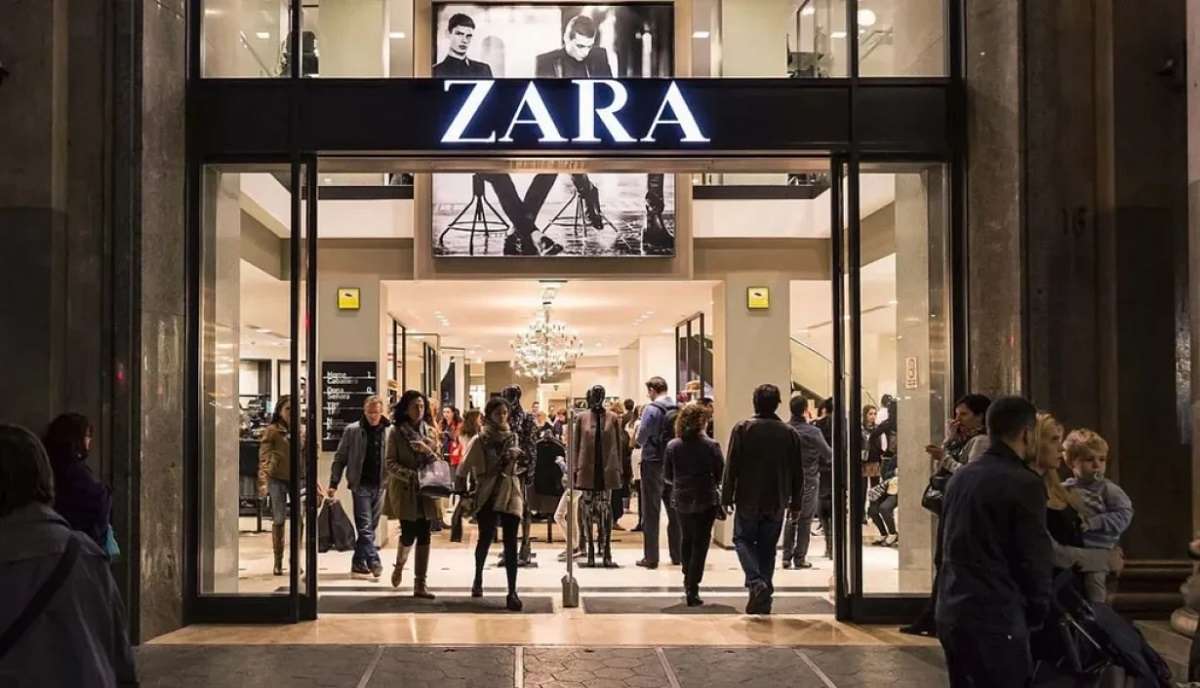
Digital Dominance Redefined: Zara moves past H&M in $100 bn fast fashion bat…
The global fast-fashion sector has reached a inflection point in 2026 where the battleground is no longer only store shelves... Read more
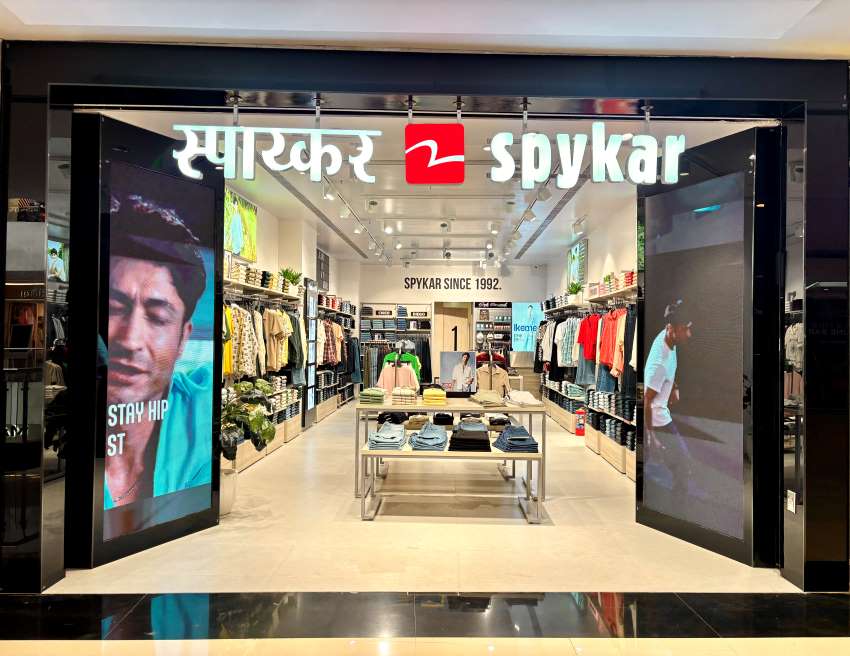
Spykar accelerates offline expansion: plans 100 new stores across India
A titan of the Indian denim-first fashion scene, Spykar has officially unveiled an aggressive retail growth strategy. As consumer demand... Read more
The Inventory Illusion: Rethinking the Zara benchmark in a volatile retail era
For over a decade, the global fashion industry has treated the Zara playbook as the gold standard of inventory efficiency.... Read more
Retail Without Retail: How Walmart’s depot network is turning space into logisti…
Walmart is fundamentally rewriting the commercial real estate and retail logistics playbook with the rise of its ‘Walmart Depots’ a... Read more
Global textile regulation tightens, forcing realignment across fashion supply ch…
Global fashion and consumer goods supply chains are entering a decisive regulatory transition as Extended Producer Responsibility (EPR) frameworks for... Read more