Spanish textile companies would like to have their supplies from nearby Tunisia rather than from China or Bangladesh. These companies happen to be those that are active in areas like ready-to-wear, denim, lingerie, bathing suits and sportswear. To forge contacts with suppliers, they are visiting Tunisian textile and clothing factories.
The textile and clothing industry in Tunisia plays a critical role in the socio-economic development of the country as it accounts for more than 40 per cent of industrial employment. The industry provides jobs for an estimated 2,00,000 workers, 75 per cent of which are women.
Tunisia is looking to strengthen and improve its value chain and diversify its product offering. EU countries are the main customers of Tunisia for textiles with 36 per cent for France, 32 per cent in Italy, 10 per cent in Germany; followed by Belgium, the Netherlands, the UK and Spain.
Tunisia is among the top 15 garment suppliers in the world, and has the advantage of being close to the European market. It is the fifth largest supplier to the European Union as well as the leading trouser supplier to the EU. Other important products are work wear and lingerie. The main foreign investors in the apparel sector in Tunisia are France, Germany, Belgium and Italy.





Spain sourcing RMG from Tunisia
- 1
- 2
- 3
- 4
- 5
- 6
- 7
- 8
- 9
- 10
Retail slows as trade accelerates, the paradox of 2025 fashion: Wazir Advisors J…
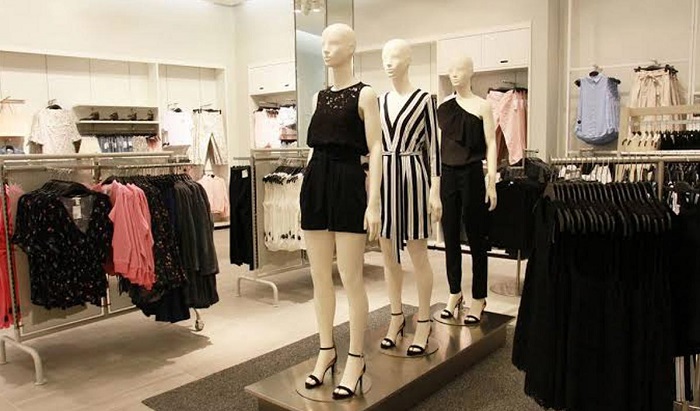
The global apparel industry, often a reliable barometer of consumer confidence and trade health, is passing through a delicate recalibration.... Read more
Tiruppur, India's knitwear powerhouse defies odds, challenges global giants
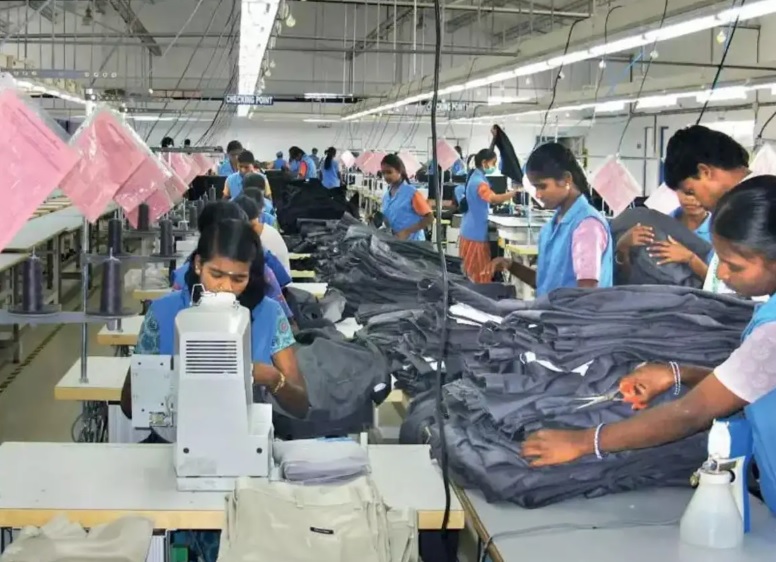
In the global textile manufacturing market, where countries like Bangladesh and Vietnam leverage preferential trade agreements (FTAs) to dominate export... Read more
The rise of the intrinsic durability multiplier in fashion
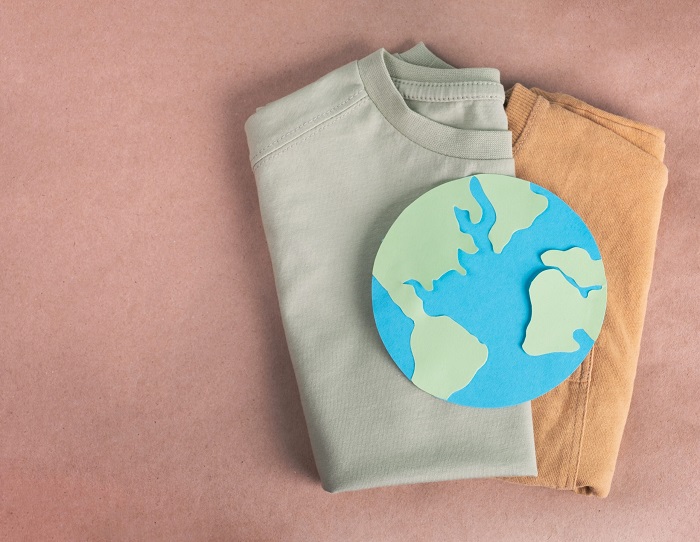
The conversations at the recent ‘Innovation Forum’ have blossomed into a clear call to action: the fashion industry is under... Read more
Viscose transforms from ‘Artificial silk to sustainable innovation
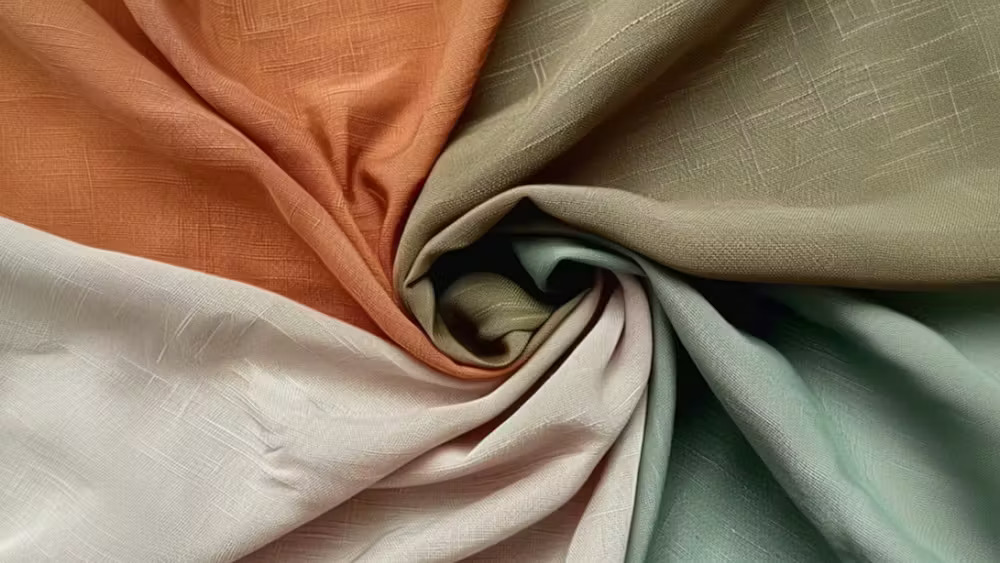
Viscose, often dubbed ‘artificial silk’ earlier, has a long and complex history in the textile industry. A regenerated cellulose fiber,... Read more
Rethinking Textile's Future: Innovations in sustainable fibers and circularity
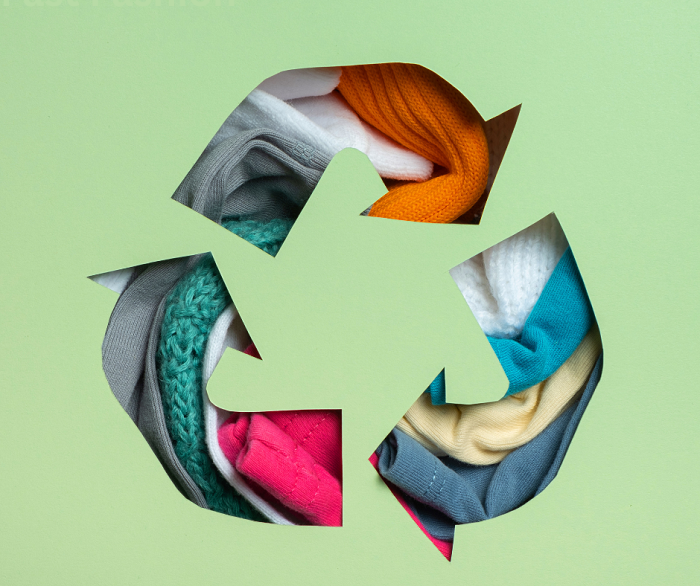
The textile industry is increasingly focusing on natural fibers and circularity, with new research and initiatives pointing towards a more... Read more
IHKIB hosts successful ‘Turkish Apparel Industry’s Transformation Journey’ event…

Customs Union modernisation key to EU competitiveness Mustafa Gültepe, Chairman of the Turkish Exporters Assembly (TIM) and Istanbul Apparel Exporters’ Association... Read more
Where do your old clothes really go? Unraveling the secondhand clothing journey
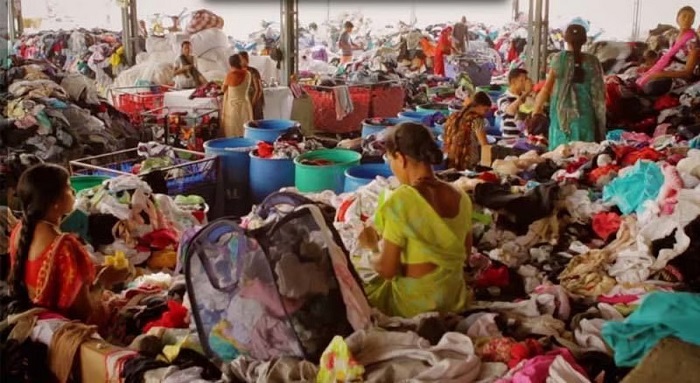
The fate of our old clothes is often shrouded in misconception. A widely held belief suggests that most donated garments... Read more
Theory of Constraints, weaving success in global apparel and textiles sector

In the fast-paced, ever-evolving world of fashion, apparel, and textiles, efficiency and agility are paramount. The Theory of Constraints (TOC),... Read more
Gartex Texprocess India 2025 Mumbai edition draws record crowd, sparks industry …

Gartex Texprocess India 2025 concluded with a record-breaking turnout, reaffirming its importance as a key sourcing and technology platform for... Read more
LuxExperience: How the Mytheresa-YNAP merger will reshape online luxury retail

The digital scenario of luxury retail has irrevocably altered with the successful completion of Mytheresa's acquisition of Yoox Net-a-Porter (YNAP)... Read more

