Pakistan is facing problems in FTA with China. China has reportedly refused to give more concessions to Pakistan on the existing free trade agreement. Pakistan wants China to grant deeper market access for 35 to 40 tariff lines of Pakistan's prime export interest in the first step to make the FTA mutually beneficial and to promote acceptability of the second phase.
Pakistan has also shared concerns over insufficient utilisation of the concessions given by China to Pakistan and the competition faced by local industries due to cheap imports from China. Pakistan’s major exports to China in 2015 were rice, cotton yarn and woven fabric while imports were electronics, stainless steel items, polyester, yarn, fabric and tires. Pakistan has a trade deficit of more than nine billion dollars with China while China has a trade deficit of more than 14 billion dollars.
The FTA covers more than 6,700 tariff lines at eight-digit tariff code under the harmonised system. The two countries have discussed tariff reduction modalities for the second phase besides the electronic data interchange, services and investment, sanitary and phyto-sanitary and technical barriers to trade measures.
Currently Pakistan has reduced duty to zero per cent on 35 per cent of the products while China has reciprocated by reducing duties to zero per cent on 40 per cent of the products.





Sore spots in Pakistan’s FTA with China
- 1
- 2
- 3
- 4
- 5
- 6
- 7
- 8
- 9
- 10
Tiruppur, India's knitwear powerhouse defies odds, challenges global giants
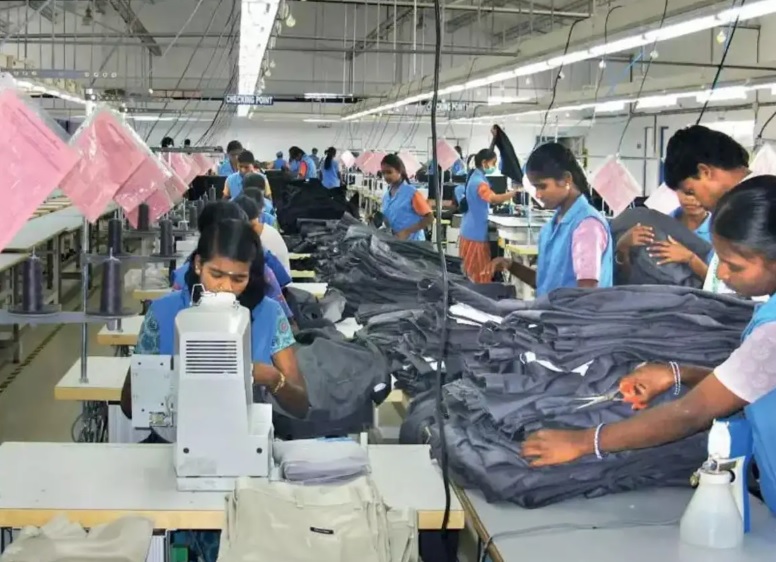
In the global textile manufacturing market, where countries like Bangladesh and Vietnam leverage preferential trade agreements (FTAs) to dominate export... Read more
The rise of the intrinsic durability multiplier in fashion
The conversations at the recent ‘Innovation Forum’ have blossomed into a clear call to action: the fashion industry is under... Read more
Viscose transforms from ‘Artificial silk to sustainable innovation
Viscose, often dubbed ‘artificial silk’ earlier, has a long and complex history in the textile industry. A regenerated cellulose fiber,... Read more
Rethinking Textile's Future: Innovations in sustainable fibers and circularity
The textile industry is increasingly focusing on natural fibers and circularity, with new research and initiatives pointing towards a more... Read more
IHKIB hosts successful ‘Turkish Apparel Industry’s Transformation Journey’ event…

Customs Union modernisation key to EU competitiveness Mustafa Gültepe, Chairman of the Turkish Exporters Assembly (TIM) and Istanbul Apparel Exporters’ Association... Read more
Where do your old clothes really go? Unraveling the secondhand clothing journey
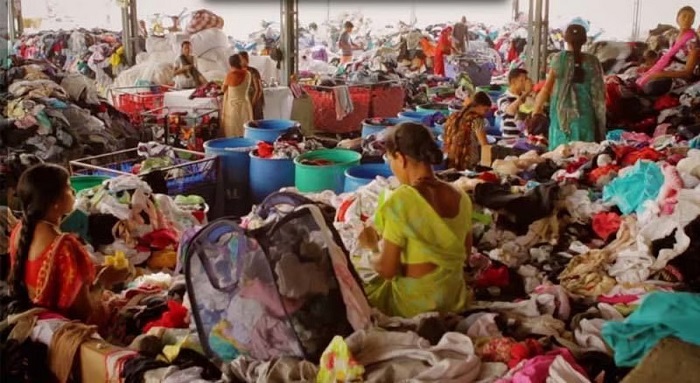
The fate of our old clothes is often shrouded in misconception. A widely held belief suggests that most donated garments... Read more
Theory of Constraints, weaving success in global apparel and textiles sector

In the fast-paced, ever-evolving world of fashion, apparel, and textiles, efficiency and agility are paramount. The Theory of Constraints (TOC),... Read more
Gartex Texprocess India 2025 Mumbai edition draws record crowd, sparks industry …

Gartex Texprocess India 2025 concluded with a record-breaking turnout, reaffirming its importance as a key sourcing and technology platform for... Read more
LuxExperience: How the Mytheresa-YNAP merger will reshape online luxury retail

The digital scenario of luxury retail has irrevocably altered with the successful completion of Mytheresa's acquisition of Yoox Net-a-Porter (YNAP)... Read more
US Apparel Imports: Scenario changes subtly as China's dominance reduces
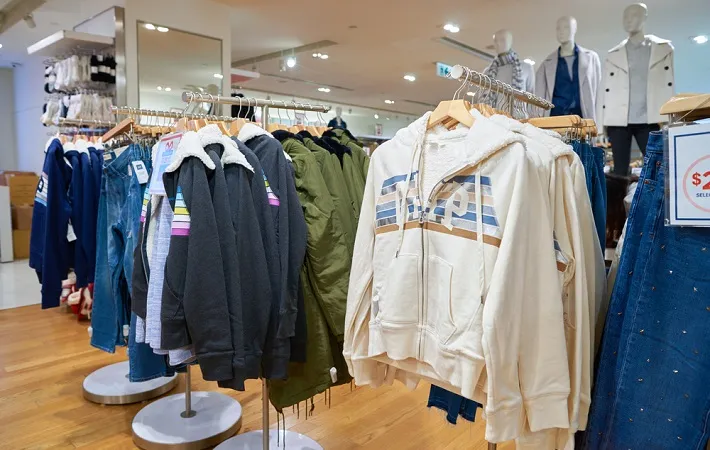
For years, China reigned supreme as the undisputed king of US apparel imports. While still the largest supplier in aggregate... Read more

