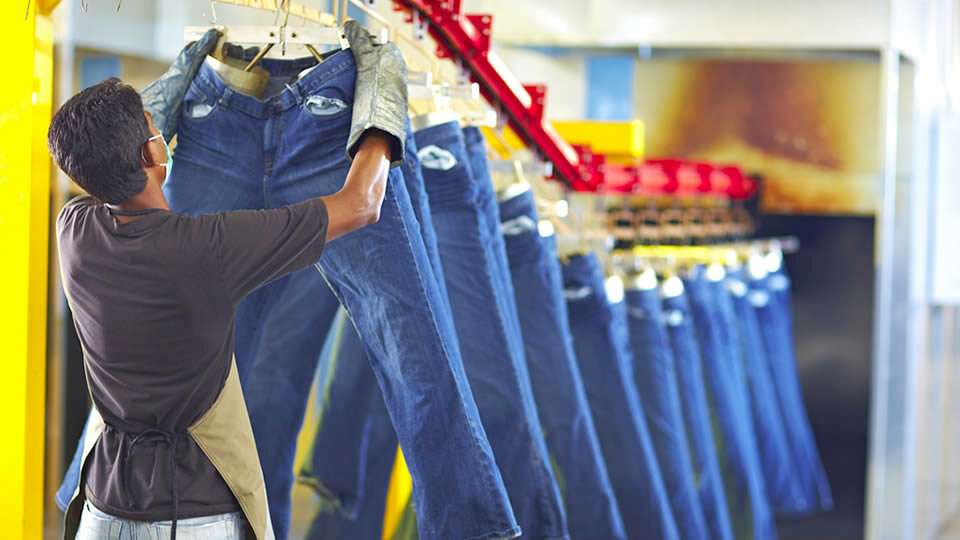
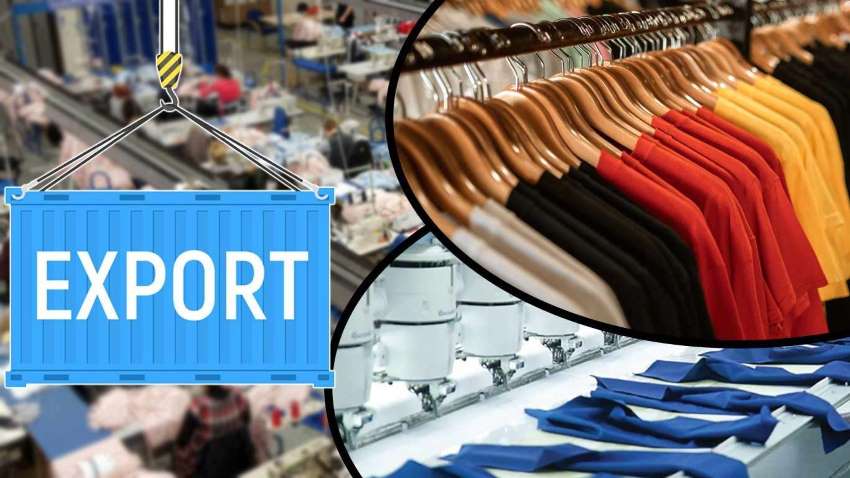
India has new duty drawback rates on garment exports from October 1, 2017. Duty drawback can be understood as the refund of the duty that was paid for the imported raw material used in the production of the exported products to the exporter.
Sustained export growth is essential to maintain and accelerate GDP growth, increase employment and reduce poverty. To encourage exports, duty drawbacks are offered to exporters, which will make their products more competitive in overseas markets.
For goods that have been imported in the country, on payment of duty, and then are being exported within a specified time period, the customs duty paid for the product import can be claimed as the duty drawback with certain cuts. The duty drawback scheme provides a rebate of the duty that is chargeable on the imported or excisable goods used in manufacturing of the exported product.
However, Indian garment exporters are already facing severe competition globally from countries like Bangladesh, Sri Lanka, Cambodia, and Vietnam. This rate cut is going to further elevate the costs of Indian garments, which will push Indian exports further back. Since 80 per cent of garment units in country belong to the small and medium category, this rate cut is expected to lead to huge job losses.

- 1
- 2
- 3
- 4
- 5
- 6
- 7
- 8
- 9
- 10
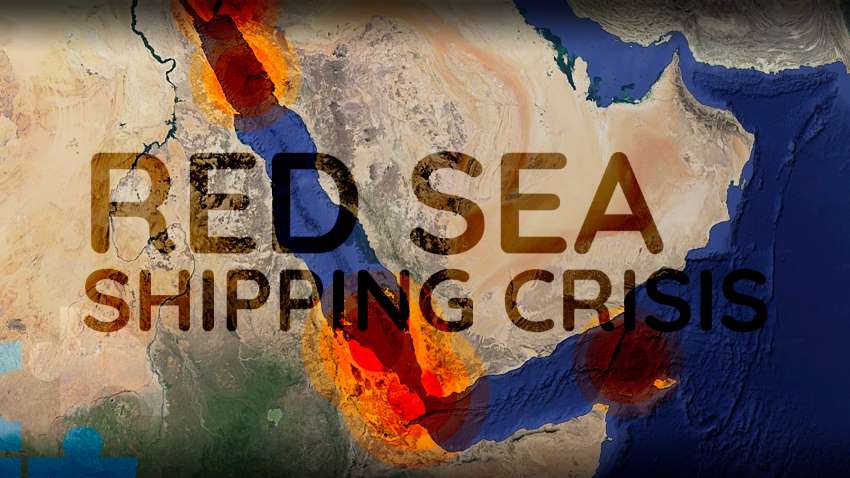
Red Sea crisis reshapes textile trade routes, challenges India’s export margins,…
Global apparel trade is now in a new operational phase where geopolitical stability and logistics reliability are as important as... Read more
EU’s textile waste rules enter enforcement phase, raising alarms across fashion …
Europe’s apparel and textile industry is approaching one of its most significant regulatory transitions in decades. As the European Union... Read more
Corporate fashion adopts reverse logistics to unlock the $367 bn resale market
Global fashion retailers are rapidly changing their business models around resale, repair, and textile recovery as the secondhand apparel market... Read more
Tariff Shock 2026: Forced-labor enforcement is repricing global fashion trade
Washington’s latest trade intervention signals a break in the global apparel sourcing patterns. The Office of the United States Trade... Read more
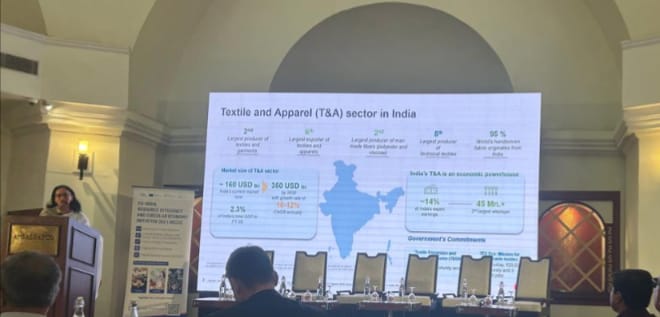
Circular Samvaad 2.0 aims to transform Indian textiles from linear waste to glob…
On the occasion of World Environment Day, industry leaders, policymakers, and international experts gathered in the capital yesterday for Circular... Read more
From Sentiment to Sustainability: How Mumbai’s ‘Mega Post Textile Waste Initiat…
Walk into almost any Indian household, and you will find wardrobes harboring clothes that haven’t been worn in years. They... Read more
CMAI launches new initiative to combat waste and formalize textile recovery acro…
In a landmark move to address the mounting crisis of post-consumer textile waste, the Clothing Manufacturers Association of India (CMAI)... Read more
Trends-Fabrics (Denim-Kidswear) trends for Spring/Summer 2026-27 by Drapers
For the Spring/Summer 2026-27 season, the kidswear denim market is defined by a shift toward lightweight comfort, playful aesthetics, and... Read more
Cost spiral across fibers, chemicals and logistics squeezes India’s apparel expo…
India’s textile manufacturing sector has entered one of its most financially strained periods in recent years as increasing fiber, yarn,... Read more
How India’s textile recycling network is becoming a global ESG blueprint
India’s textile industry is mounting an aggressive defence against growing international criticism that developing economies are becoming dumping grounds for... Read more