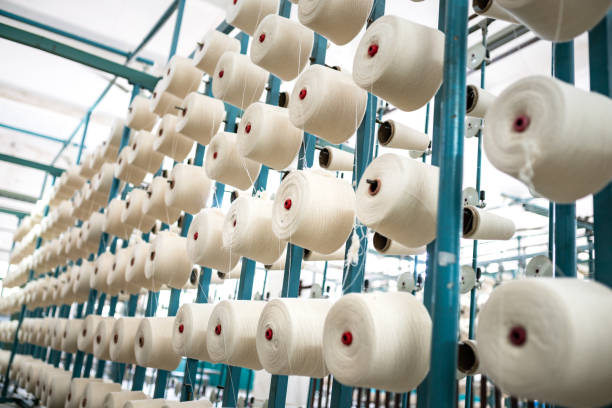
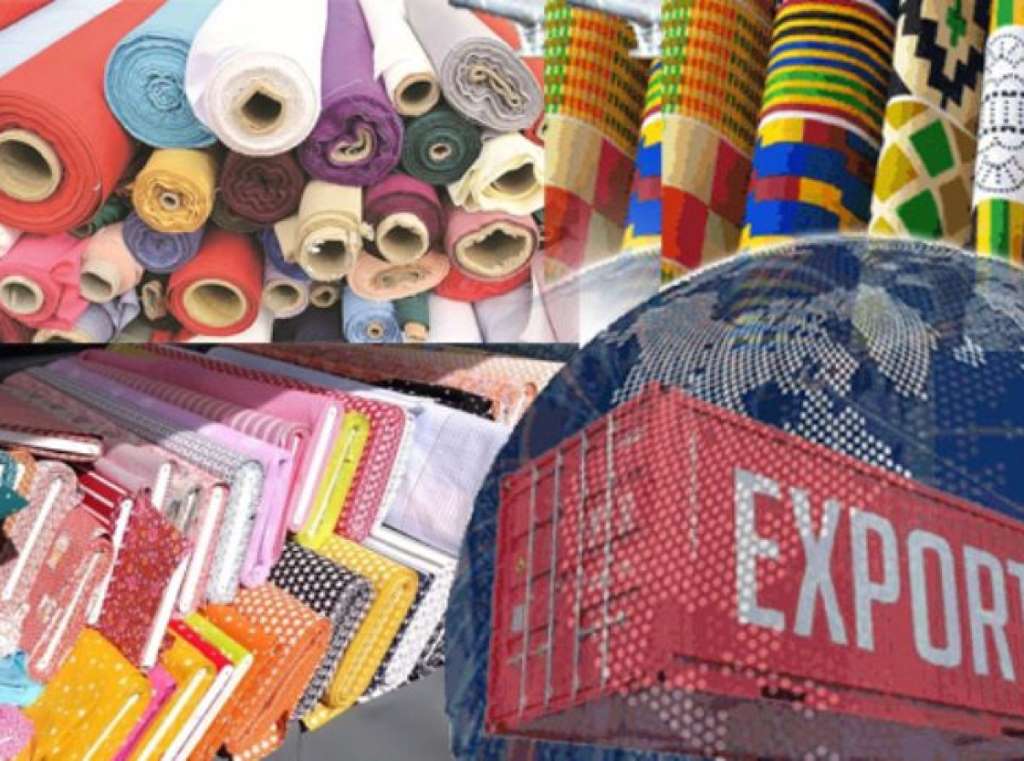
Spinning units of Indore, region are shifting to man-made or blended fibers, unable to pass on the price rise of cotton to customers due to lackluster market. Shift of spinners from 100 per cent cotton to polyester and viscose is likely to help them restore margins and profit and rule out the option for a production cut.
These spinning units have been blending cotton with polyester and viscose after cotton prices rose steeply due to restricted supply and lower output. Spot cotton prices in local market have risen to over Rs 129 per kg from Rs 98 per kg in April, according to local traders.
There are about 40 spinning units in MP and the units with the capacity of 1 lakh spindles requires around 450-500 bales of cotton per day. Cotton production in 2015-16 (crop year October- September) fell to 352 lakh bales (170 kg each) compared to 380 lakh bales in the previous year.
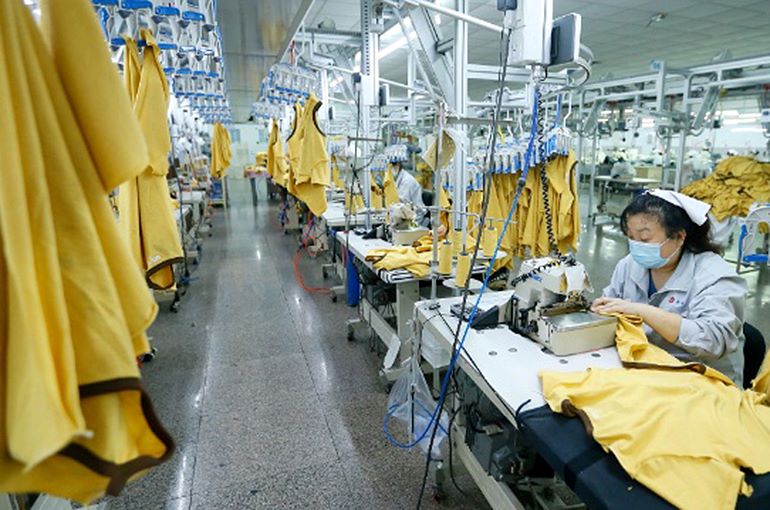
Viscose Staple Fiber (VSF) based apparel exports have grown at a compounded annual growth rate of 27 per cent during financial year 2014 to 2016. Supply of cotton has squeezed in the local markets further pushing the prices while the arrival from the new crop is expected only by October. According to industry players, cotton prices are unlikely to come down before the month of October.

- 1
- 2
- 3
- 4
- 5
- 6
- 7
- 8
- 9
- 10
Zara’s precision retail model leaves global competitors drowning in inventory
The global apparel sector is currently grappling with a punishing inventory overhang, yet Inditex, the parent company of Zara, has... Read more
Beyond the mall collapse, the profit push driving 2026 retail closures
The American retail sector has entered 2026 in the midst of one of its most impactful recalibrations in decades. Over... Read more
Status, Rewired: Health, AI and experience are displacing heritage luxury
The global luxury industry is not facing a demand fall it is confronting a redefinition of value. As bellwethers like... Read more
No More Easy Wins: Why global retailers are losing ground in China
China’s retail sector has entered a new phase, one defined not by aspiration, but by scrutiny. The long-standing advantage enjoyed... Read more
India’s 45°C economy is reshaping apparel retail and consumer spending
The intensifying heatwaves sweeping across the Indian subcontinent are no longer mere meteorological anomalies; they have become the primary engineers... Read more
FY26 Textile Scorecard: Integration, specialization are winning the margin battl…
As the curtains close on FY2025-26, India’s textile industry is revealing a sharp divide. On one side stand integrated and... Read more
Intertextile Shenzhen 2026: Pioneering the Future of Textile Innovation
As Shenzhen cements its status as China’s premier hub for manufacturing, artificial intelligence, and startup cultivation, Intertextile Shenzhen Apparel Fabrics... Read more
The Devil Wears Prada 2 reflects fashion’s power shift, where consumers replace …
" " The release of The Devil Wears Prada 2 has sparked a debate far bigger than a Hollywood sequel. What... Read more
The 30-minute problem reshaping the $63 bn leggings market
The global leggings makers are racing to solve one of the apparel industry’s most expensive hidden problems: discomfort that appears... Read more
Why the resale explosion is failing to slow apparel production
The global apparel industry is confronting an uncomfortable paradox. The explosive rise of the resale economy, once viewed as a... Read more