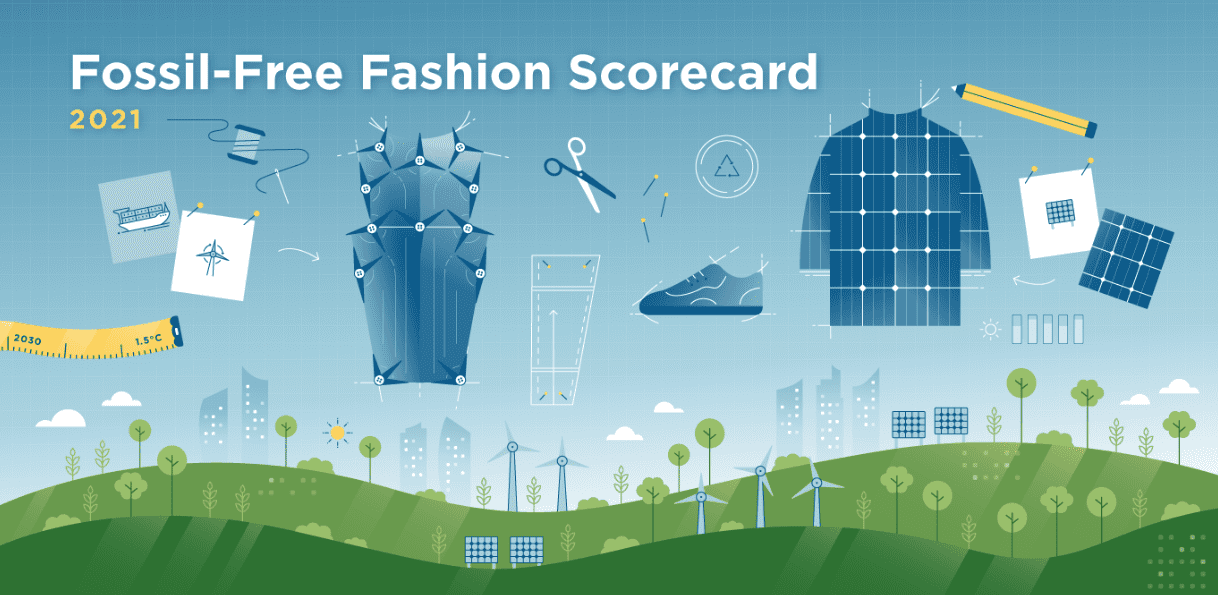
For years, the global fashion industry has promised a cleaner, greener future but 2025’s Fossil-Free Fashion Scorecard by STAND.earth offers a sobering verdict: not a single major brand has earned an ‘A’ for decarbonization. Despite public pledges, glossy sustainability reports, and high-profile climate campaigns, the sector remains on an emissions pathway ‘far from compatible’ with the 1.5°C target.
The scorecard, which assessed 42 of the world’s most influential fashion and apparel companies concludes that while some leaders are emerging, most brands are failing to confront their dependence on fossil fuels. The report also exposes a ‘systemic blindspot’ in how the industry addresses equity and support for workers affected by climate impacts. “The industry has a lot of work left to do to end its symbiosis with the fossil fuel economy,” the report warns a blunt assessment that echoes through the industry’s global supply chains.
When promises meet the planet
Despite years of climate pledges, the report found that the fashion sector’s total emissions trajectory continues to rise, defying its own targets. Only three brands viz. Eileen Fisher, Burberry, and Prada have reduced emissions in line with a 1.5°C pathway. Seventeen brands actually increased their carbon footprints compared to their baseline years.
The scorecard emphasizes that while data transparency is improving, actual decarbonization on the ground remains minimal, especially across the energy-intensive Tier II, III levels of supply chains (fabric dyeing, spinning, and raw material processing).
Who pays for the transition?
Perhaps the most glaring gap is financial. Only six of 42 brands (14 per cent) reported offering any kind of decarbonization project financing to their suppliers. Among these, H&M Group was the sole brand with significant, non-debt-based financing initiatives. In contrast, two-thirds of all brands showed no evidence of financing decarbonization leaving suppliers to bear the costs of transitioning to renewable energy.
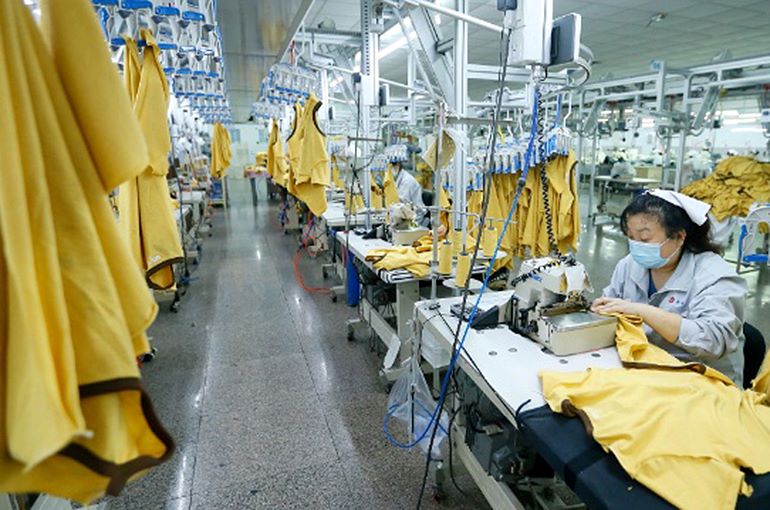
This imbalance exposes a deeper structural flaw: while brands set ambitious emissions targets, their manufacturers primarily in Asia remain underfunded, trapped in thin-margin contracts that discourage sustainability investments.
Glimmers of progress
Not all the findings were bleak. There are visible shifts in two areas: renewable energy targets and circular fashion. 12 of 42 companies (29 per cent) now have measurable supply chain renewable electricity goals, up from only five in 2023. Nearly 95 per cent of brands now offer resale or repair programs, showcasing circularity has moved from the fringes of sustainability to the mainstream business model. However, the report notes that these programs often have limited scale and negligible impact on overall emissions unless integrated with material phase-outs and renewable sourcing.
Fossil fibers still rule the loom
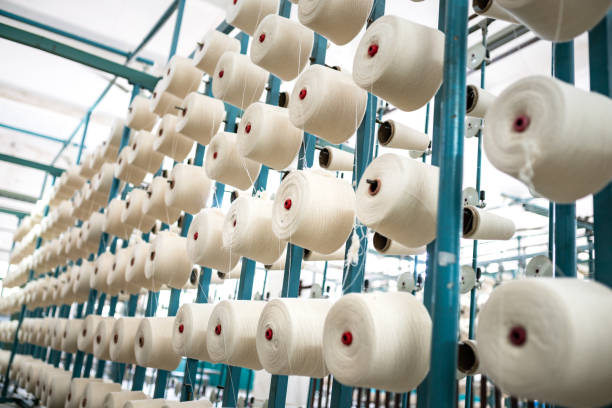
Almost 70 per cent of all textile fibers are fossil-fuel-based synthetics such as polyester, nylon, and acrylic, a figure that has barely budged despite growing awareness. Only six brands (14 per cent) have committed to phasing out fossil-based materials. Among leaders, Kering (C+) and Eileen Fisher (B-) earned top marks for advancing regenerative material sourcing and reducing synthetic reliance. Yet even these leaders struggle against the global economics of synthetics: oil-based fibers remain far cheaper than natural or recycled alternatives.
H&M Group, the decarbonization outlier
The Scorecard’s top performer, H&M Group (B+), demonstrates what leadership looks like in practice.
• Transparency: H&M earned an A+ in Commitments and Transparency for disclosing a detailed Scope 3 roadmap that includes Tier III suppliers, a rarity among peers.
• Investment: The company publicly reported investing SEK 1.7 billion ($160 million) in decarbonization projects across its value chain, setting a new standard for financial disclosure.
• Renewables: By 2024, H&M’s supply chain achieved 36 per cent renewable electricity, with 9 per cent generated on-site and 7 per cent sourced through PPAs.
• Advocacy: It also became the first global brand to sign a green energy MOU in Vietnam under the country’s new Direct Power Purchase Agreement (DPPA), signaling a hands-on approach to policy engagement.
The report notes that this “model of supplier financing and policy advocacy” is the blueprint others should follow though even H&M, with its B+ rating, remains short of full fossil fuel phase-out alignment.
The polluters’ list
At the other end of the spectrum lie brands whose emissions are skyrocketing led by Shein, the ultra-fast fashion giant.
• Shein’s emissions surged from 9.17 million metric tons CO₂e in 2022 to 16.68 million in 2023 a 170 per cent jump.
• That’s almost equivalent to the annual emissions of Lebanon, according to the report.
• The main culprit: air freight, which accounts for nearly 40 per cent of its upstream shipping emissions.
Alongside Shein, other laggards include Boohoo, Under Armour, Next, Aritzia, and Columbia, all of which received ‘F’ grades in multiple categories, primarily for failing to set Scope 3 reduction targets or to disclose credible data.
The message is clear: fast fashion’s growth is directly tied to escalating pollution and without intervention, the climate cost will be catastrophic.
The human blindspot
In one of its starkest findings, STAND.earth’s Scorecard reveals that not a single brand could show evidence of climate adaptation programs for workers despite growing climate-related risks across textile-producing regions.
Floods in Bangladesh, heatwaves in India, and droughts in Vietnam threaten supply chain continuity and worker safety. Yet, none of the 42 brands had designed or funded programs developed in consultation with local stakeholders. This ‘dangerous blindspot’ the report warns, could undermine the very communities on which the global fashion system depends.
What comes next
The report ends with a stark call to action. In a world grappling with trade wars, greenwashing probes, and inflation, climate action risks being deprioritized. But abandoning it now, STAND.earth argues, would mean irreparable harm to both supply chains and people.
To align with a 1.5°C pathway and ensure justice for workers, brands must:
1. Fund the transition: Move from loan-based support to direct, non-debt financing for suppliers including long-term purchasing contracts that guarantee revenue stability.
2. Phase out fossil fibers: Commit to a transparent, time-bound plan for eliminating oil-derived materials and invest in scaling regenerative and circular fibers.
3. Support workers: Create worker-centered adaptation plans, co-designed with local communities, to safeguard livelihoods against climate shocks.
4. Clean up shipping: Cap air freight at 1 per cent of total goods and accelerate adoption of zero-emission vessels and last-mile logistics.
From optics to outcomes
Fashion’s climate credibility is on trial and 2025’s Scorecard delivers a verdict of missed opportunities. The few bright spots, like H&M’s transparency and Kering’s material innovation, are exceptions in a sector still powered literally and figuratively by fossil fuels. For an industry built on reinvention, fashion’s slow pivot toward sustainability is paradoxical. Without decisive financial, material, and human investments, its climate promises risk becoming the next season’s discarded trend.