Myanmar’s garment export earnings increased to $940 million in the year to mid-October up from $409 million in the corresponding period last year. Increase in earnings was mainly because of a rise in exports to Japan and European Union. Japan accounted for about a third of the country’s garment exports; EU and South Korea were 25 per cent each; and the United States and China accounted for 2.4 per cent each.
Exports to the EU increased from €345 million in 2013 to €548 million in 2015. The garment industry in Myanmar employs more than 3, 00,000 workers in 389 factories; of which 171 are Myanmar-owned, 196 foreign-owned and the rest are joint ventures.
Myanmar’s garment sector is flourishing as the last low-cost production frontier for factory relocation and diversification in Southeast Asia. China has long been the world’s top garment exporter. In recent years, however, production costs in China have soared along with a surge in wages. This, together with the difficulty in hiring garment workers and shift towards higher value-added industries, has driven many garment manufacturers to relocate to Myanmar. Chinese minimum wages are way above those in Asean countries, while those in Myanmar are the lowest in Asean.





Myanmar’s garment export earnings double
- 1
- 2
- 3
- 4
- 5
- 6
- 7
- 8
- 9
- 10
Polyester’s reign vs. Lyocell’s strain, can green fibers survive?

The recent job cuts announced by Lenzing, a pioneer in sustainable cellulosic fibers, are a stark reflection of the complex... Read more
Indian Textile and Apparel Exports Hit Hard in September: As US tariffs take hol…

The Indian textile and apparel industry has shown the first clear signs of being impacted by the new US tariffs,... Read more
Fast, cheap, unstoppable, Shein shockwave hits Germany’s fashion retial

In a country known for its deep-rooted retail traditions, discerning shoppers, and a growing emphasis on sustainability, the rise of... Read more
Europe’s Circular Turn: The Danish vision shaping a new industrial era

In a speech that captured both urgency and ambition, Danish MEP Rasmus Nordqvist stood before an audience of European policymakers,... Read more
“The US government’s economic data makes no sense. It’s a con.” says David Birnb…

“The US government’s economic data makes no sense. It’s a con,” declares David Birnbaum, strategic planner for the global garment... Read more
India's fiber sector spins a new thread of growth
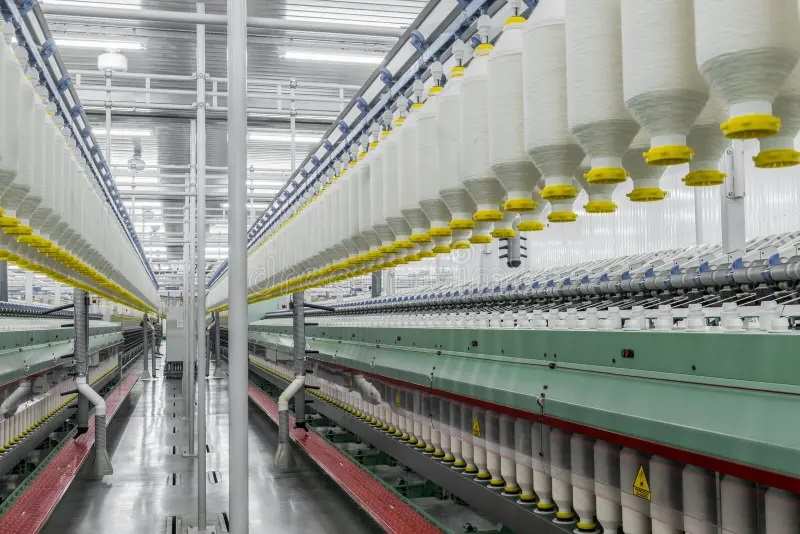
India's clothing fiber sector is on the cusp of a revolutionary decade, moving beyond its traditional identity as a cotton... Read more
Global Supply Chain Earthquake: The 100% ‘Trump Tariff’ and the scramble for Chi…
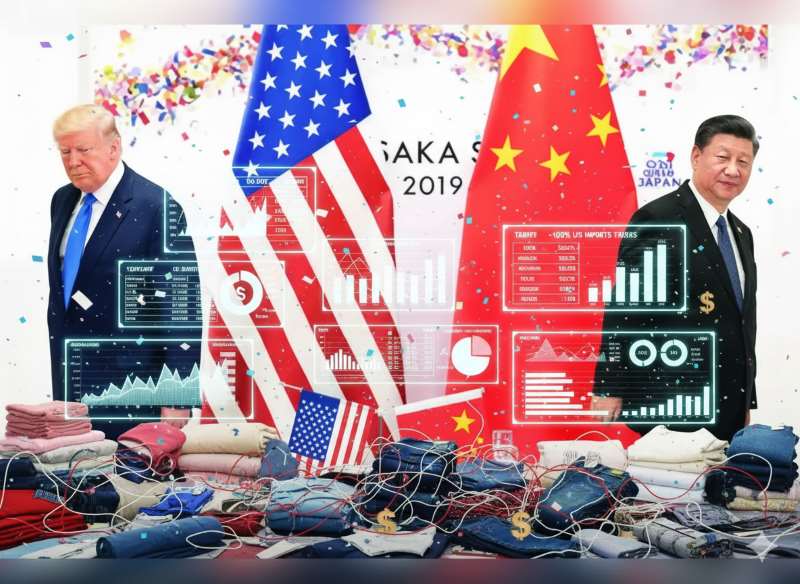
The imposition of an additional 100% tariff on all Chinese goods by President Donald Trump—a move that underscores the fickleness... Read more
Trump's 100% Tariff on China: Why should Indian apparel exporters not view this …
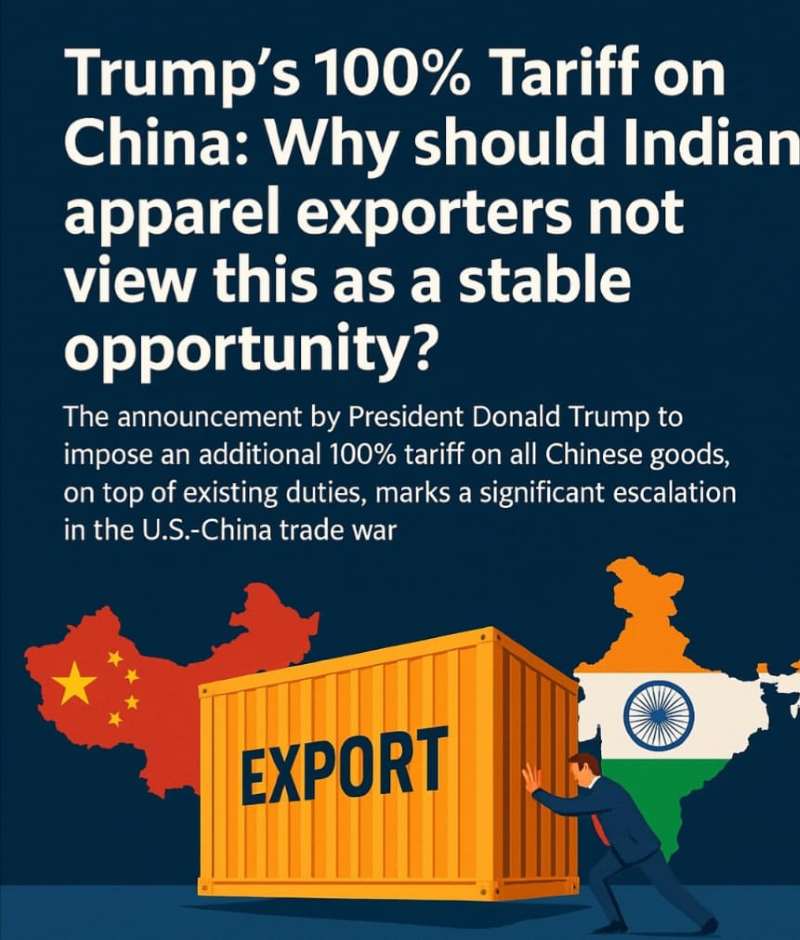
The announcement by President Donald Trump to impose an additional 100% tariff on all Chinese goods, on top of existing... Read more
Yarn Expo Autumn 2025: A premier international platform for the yarn industry

Yarn Expo Autumn 2025 concluded a highly successful run, firmly establishing its position as the premier international platform for the... Read more
The Fashion Week of the Decade In Paris: A new chapter for the industry

The highly anticipated fashion week season, which came to a close recently in Paris, was not "business as usual". The... Read more

