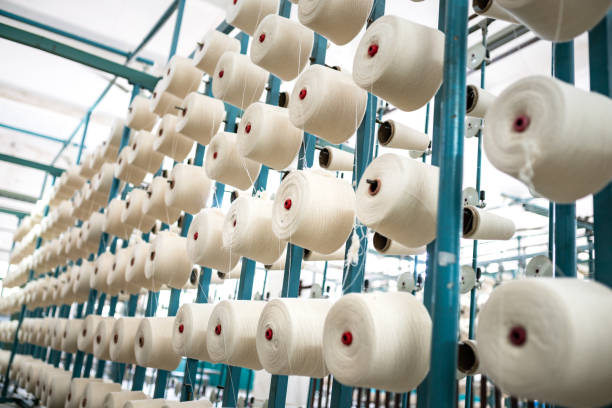
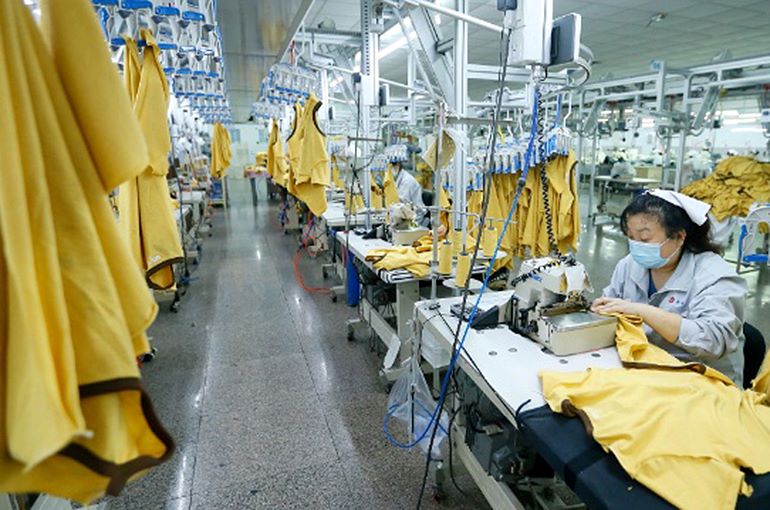
The manmade fiber industry contributes two per cent to India’s GDP and provides jobs to over 18 million people directly and more than 20 million indirectly. Given the increasing focus on protecting the environment, the demand for manmade fiber textiles as a substitute for cotton is growing globally. Increasing price volatility, durability and sustainability concerns have made leading fashion brands gradually shift the fiber mix in favor of synthetic fibers, especially polyester and viscose. Currently manmade fibers dominate global textile fiber consumption. The ratio is manmade fibers 72 per cent and natural fibers 28 per cent. The share of manmade fibers has been steadily increasing due to cutting-edge technology.
Manmade fibers contribute 16 per cent to total textile and clothing exports from India. Technical textiles are expected to see a significant growth in coming times. India exports the manmade fiber textile value chain, including fiber, yarn, fabrics and made-ups to nearly 140 countries. More than 60 per cent of India’s exports are of value-added items such as made-ups and fabrics. India produces over 1,441 million kg of manmade fibers and over 3,000 million kg of manmade filaments annually. India is the second largest producer of polyester and viscose in the world.

- 1
- 2
- 3
- 4
- 5
- 6
- 7
- 8
- 9
- 10
Status, Rewired: Health, AI and experience are displacing heritage luxury
The global luxury industry is not facing a demand fall it is confronting a redefinition of value. As bellwethers like... Read more
No More Easy Wins: Why global retailers are losing ground in China
China’s retail sector has entered a new phase, one defined not by aspiration, but by scrutiny. The long-standing advantage enjoyed... Read more
India’s 45°C economy is reshaping apparel retail and consumer spending
The intensifying heatwaves sweeping across the Indian subcontinent are no longer mere meteorological anomalies; they have become the primary engineers... Read more
FY26 Textile Scorecard: Integration, specialization are winning the margin battl…
As the curtains close on FY2025-26, India’s textile industry is revealing a sharp divide. On one side stand integrated and... Read more
Intertextile Shenzhen 2026: Pioneering the Future of Textile Innovation
As Shenzhen cements its status as China’s premier hub for manufacturing, artificial intelligence, and startup cultivation, Intertextile Shenzhen Apparel Fabrics... Read more
The Devil Wears Prada 2 reflects fashion’s power shift, where consumers replace …
" " The release of The Devil Wears Prada 2 has sparked a debate far bigger than a Hollywood sequel. What... Read more
The 30-minute problem reshaping the $63 bn leggings market
The global leggings makers are racing to solve one of the apparel industry’s most expensive hidden problems: discomfort that appears... Read more
Why the resale explosion is failing to slow apparel production
The global apparel industry is confronting an uncomfortable paradox. The explosive rise of the resale economy, once viewed as a... Read more
Can India’s textile sector convert FTAs into global dominance?
What began as a cautious China Plus One sourcing strategy for global apparel trade, has now evolved into a full-scale... Read more
No More Easy Wins: Why global retailers are losing ground in China
China’s retail sector has entered a new phase, one defined not by aspiration, but by scrutiny. The long-standing advantage enjoyed... Read more