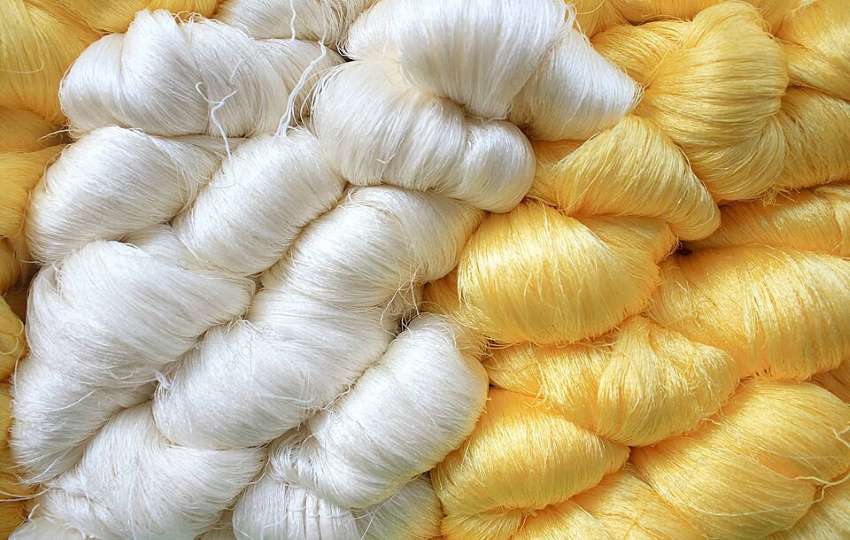
Jharkhand has unveiled a strategic initiative to integrate its artisanal textile traditions into the global marketplace, showcasing six Geographical Indication (GI)-tagged handloom products at the Bharat Tex 2026 summit in New Delhi. By highlighting the unique cultural and structural attributes of Tassar Silk, Kuchai Silk, Bhagaiya Saree and Fabric, Tumka Chadar, Bhoya Saree and Fabric, and Pancho Saree and Fabric, the state aims to transcend local boundaries and establish a significant presence in international apparel supply chains. This pavilion serves as a deliberate effort to pivot from traditional, fragmented local trade toward a structured, high-value export model that leverages the authenticity and provenance associated with GI certification.
Strategic economic empowerment for artisans
The initiative is designed to address systemic challenges within the rural artisan economy, including migration and market dilution. Sanjay Prasad Yadav, State Industries Minister notes, formalizing the recognition of these textiles is vital to creating sustainable livelihoods and preventing the erosion of centuries-old weaving knowledge. By aligning with national export goals, which target a $350 billion textile industry valuation, Jharkhand is focusing on scaling production capabilities to meet the quality and volume requirements of global retailers. This approach not only safeguards indigenous intellectual property but also positions rural clusters as specialized hubs capable of delivering heritage-led, sustainable fashion to the discerning modern consumer.
Jharkhand’s artisanal textile sector
Jharkhand is a significant hub for indigenous handloom and handicrafts, characterized by its rich tribal forest belt traditions. The state produces natural fibers, including wild Tussar and organic silk. Driven by Jharcraft, it is currently scaling its export infrastructure to support tribal artisans and integrate products into global markets.