The Goods and Services Tax (GST) will have a four-slab tax structure of 5 per cent, 12 per cent, 18 per cent and 28 per cent. The lower rates are for essential items and the highest for luxury goods. Both the Center and the states will have powers to scrutinise and audit all assessees.
The highest tax slab of 28 per cent will be applicable to items which are currently taxed at 30 to 31 per cent (excise duty plus VAT). However, a lot of the items in this category which are mass consumed by middle and lower-middle classes, like soaps and detergents, could be brought under the 18 per cent slab.
Luxury cars, tobacco and aerated drinks would also be levied with an additional cess on top of the highest tax rate. The idea would be to keep the total tax plus cess similar to the levy charged on these items now.
The collection from this cess as well as that of the clean energy cess would create a revenue pool which would be used for compensating states for any loss of revenue during the first five years of implementation of GST. The cess would lapse after five years.





GST to have four slabs
- 1
- 2
- 3
- 4
- 5
- 6
- 7
- 8
- 9
- 10
Indian Textile and Apparel Exports Hit Hard in September: As US tariffs take hol…

The Indian textile and apparel industry has shown the first clear signs of being impacted by the new US tariffs,... Read more
Fast, cheap, unstoppable, Shein shockwave hits Germany’s fashion retial

In a country known for its deep-rooted retail traditions, discerning shoppers, and a growing emphasis on sustainability, the rise of... Read more
Europe’s Circular Turn: The Danish vision shaping a new industrial era
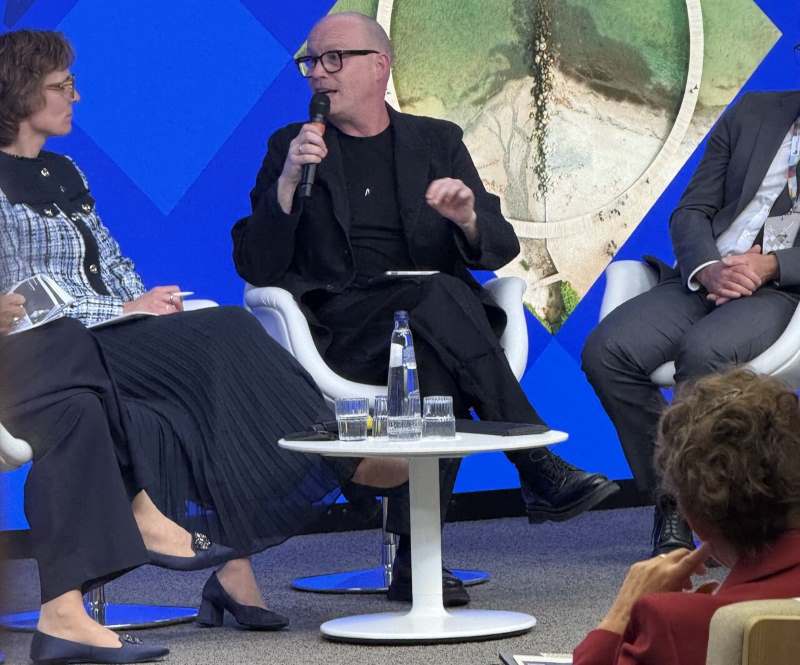
In a speech that captured both urgency and ambition, Danish MEP Rasmus Nordqvist stood before an audience of European policymakers,... Read more
“The US government’s economic data makes no sense. It’s a con.” says David Birnb…

“The US government’s economic data makes no sense. It’s a con,” declares David Birnbaum, strategic planner for the global garment... Read more
India's fiber sector spins a new thread of growth
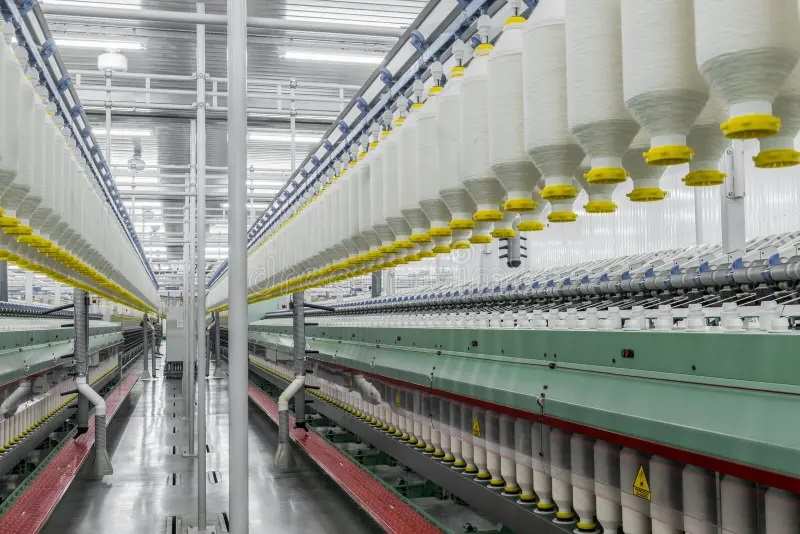
India's clothing fiber sector is on the cusp of a revolutionary decade, moving beyond its traditional identity as a cotton... Read more
Global Supply Chain Earthquake: The 100% ‘Trump Tariff’ and the scramble for Chi…
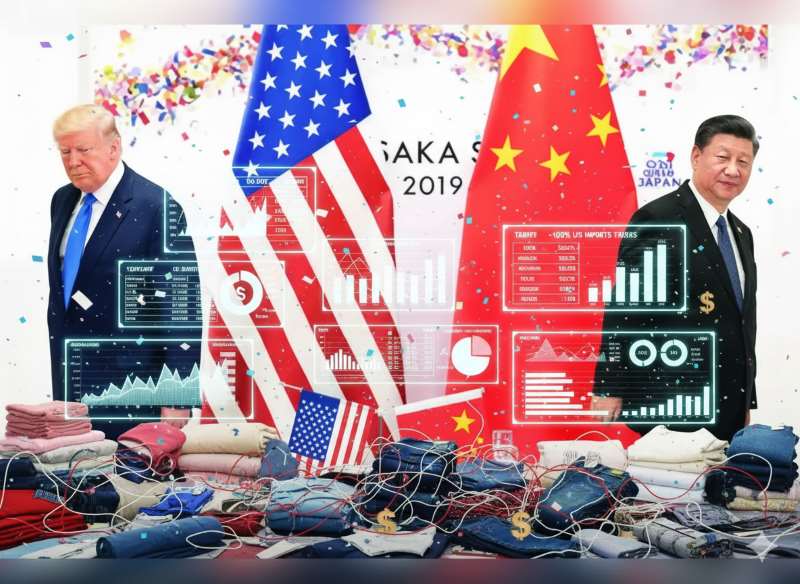
The imposition of an additional 100% tariff on all Chinese goods by President Donald Trump—a move that underscores the fickleness... Read more
Trump's 100% Tariff on China: Why should Indian apparel exporters not view this …
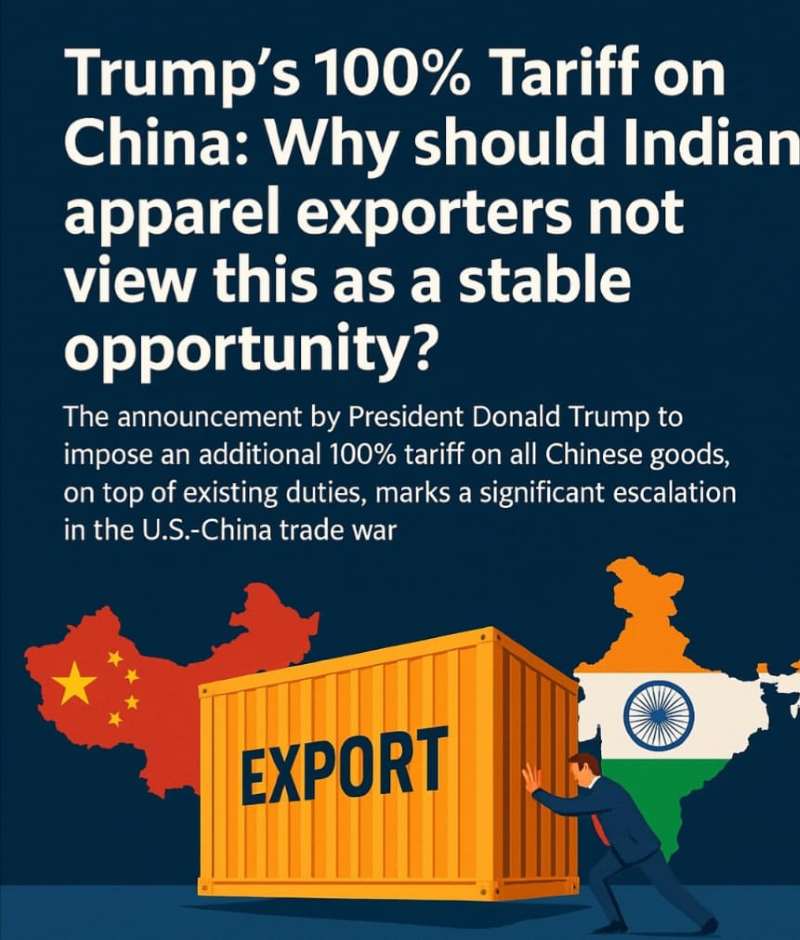
The announcement by President Donald Trump to impose an additional 100% tariff on all Chinese goods, on top of existing... Read more
Yarn Expo Autumn 2025: A premier international platform for the yarn industry

Yarn Expo Autumn 2025 concluded a highly successful run, firmly establishing its position as the premier international platform for the... Read more
The Fashion Week of the Decade In Paris: A new chapter for the industry

The highly anticipated fashion week season, which came to a close recently in Paris, was not "business as usual". The... Read more
Tariffs Are Killing "Free, Open" Trade,The Human Cost of Uncertainty: …

In the intricate, interconnected world of global apparel, tariffs are not just a line item on an invoice—they are, in... Read more

