Modern slavery risks have risen in nearly three quarters of the 28 member states of the European Union over the last year. The migrant crisis has increased the risk of slavery incidents appearing in company supply chains across Europe. Greece is host to significant number of migrants and remains a key destination for human trafficking. It is no longer just the traditional sourcing hotspots in emerging economies that businesses should pay attention to when risk assessing their suppliers and the commodities they source.
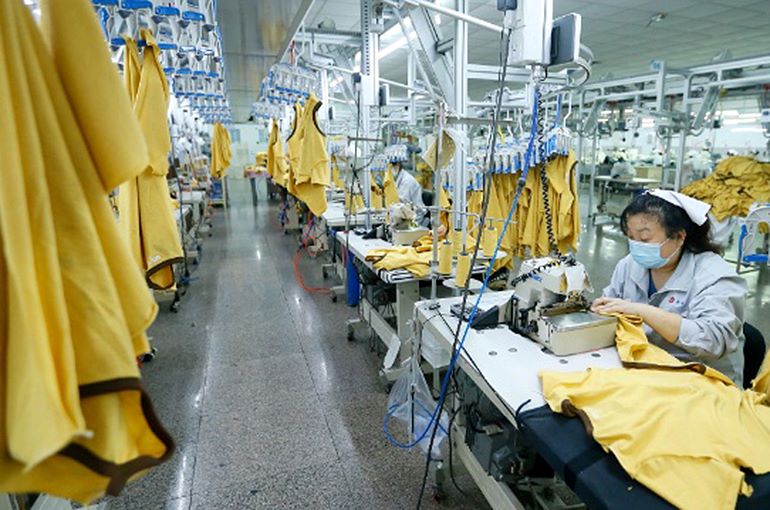
Turkish textile factories have been associated with high profile incidents of child labor and slavery. Asian manufacturing hubs, Bangladesh, China, Indonesia, Malaysia, Myanmar, the Philippines and Thailand, all feature in the extreme or high risk categories. China, the top exporter of garments, is categorised ‘extreme risk’ in the index and is ranked 21st worst in the world. It has registered a slight increase in risk, driven by inadequate enforcement and reports of severe forms of modern slavery.
Bangladesh and China have recorded incidents of forced labor, servitude, trafficking, prison labor and generational debt bondage. Trying to eradicate slavery in garment exporting countries is a big challenge, given the prevalence of exploitation, but there are signs of improvement.
- 1
- 2
- 3
- 4
- 5
- 6
- 7
- 8
- 9
- 10
China out but can India deliver? The realities of the global sourcing shift
With the US imposing a flat 15 per cent tariff on Chinese imports under Section 122 as of February 2026,... Read more
Luxury in Retreat: Why the aspirational consumer is gone for good
The global luxury industry is confronting an unprecedented situation. The active consumer base, which peaked at 400 million in 2022,... Read more
The Invisible Bleed: How a single chemical is slowing India’s apparel machine
The global fashion industry has spent the better part of the past two years obsessing over visible disruptions viz. volatile... Read more
The Closet Paradox: How ‘nothing to wear’ is driving global overconsumption
In an era of overflowing wardrobes and instant fashion gratification, a striking paradox has emerged: the more clothes we own,... Read more
US trade rulings and labor slowdown reshape 2026 cotton supply chains
The global cotton industry is entering a period of adjustment, shaped by legal rulings, trade policy recalibrations, and a softening... Read more
Zero-tariff paradigm drives strategic re-sourcing at Global Sourcing Expo 2026
Projected to reach a valuation of $30.3 billion this year, the Australian textile and apparel market is entering a period... Read more
Strategic manufacturing takes center stage at Gartex Texprocess Mumbai 2026
A $179 billion industrial cornerstone contributing 2 per cent to the national GDP, the Indian textile and apparel sector is... Read more
The Hidden Tax on Fashion: 2026’s EPR rules squeeze margins and shake supply cha…
As the 2026 enforcement deadlines for California’s SB 707 and the European Union’s harmonized Waste Framework Directive loom, the global... Read more
Guess? Inc. retreats from China as American cool hits a cultural wall
For more than two decades, Guess? Inc., the emblem of ‘accessible American cool’, maintained an ambitious footprint in China. At... Read more
The Hormuz Effect: Why a distant war is shaking Bangladesh’s garment exports
The immediate impact of the Iran- Isarel-US conflict is being felt in the logistics arteries that connect Bangladesh’s factories with... Read more