Commemorating its 20th anniversary, EURATEX hosted its international conference, ‘Best in Partnerships’ devoted to inter-sectorial partnerships to boost European manufacturing recently. The European Commissioner for Internal Market, Industry, Entrepreneurship and SMEs, Elżbieta Bieńkowska delivered the keynote addressed and said that textile and fashion industry is a strategic sector in the EU and it is really performing well. The European Commission is undertaking a number of actions to meet three main challenges of the sector: innovation, international competition and skills shortage.
In his address, EURATEX’s president Serge Piolat emphasised that textile and fashion sector is appreciating the European Commission’s willingness to build a dialogue with the industry. EURATEX proposed a concrete action plan to the European Commission to strengthen internationalisation of the SMEs, assure fair conditions for the European companies through stricter market surveillance, provide better access for SMEs to EU research funds and boost innovation investments at regional level through RegioTex initiative. ‘We are strongly committed to show meaningful results and we have equally high expectations of concrete actions from the policy-makers’, said Piolat.
The textile and fashion industry invited other sectors to identify common challenges and discuss new areas of cooperation. The conference was organised in a new format of Industrial Dialogues when two at a time representatives of different sectors had a free discussion between them and with the audience. The topics addressed were circular economy, creative industries, education and skills and international trade.

- 1
- 2
- 3
- 4
- 5
- 6
- 7
- 8
- 9
- 10
Can trade deals and manufacturing reforms deliver India's textile vision?
India's textile and apparel industry has entered one of its strongest revival phases after several difficult years marked by pandemic... Read more
Women’s wear power global apparel growth as big brands rework retail strategies
For years, the world's largest apparel companies built their businesses around men's denim, workwear and outdoor clothing. That strategy is... Read more
The End of Fibre Blends: Why retailers are moving toward 100% recyclable apparel
The apparel industry is entering a redesign phase as sustainability goals, regulatory pressures, and resource security unite around one central... Read more
Recycled polyester’s next growth phase will be driven by data, not fiber
For much of the last decade, recycled polyester was one of the easiest sustainability wins available to brands. Replacing virgin... Read more
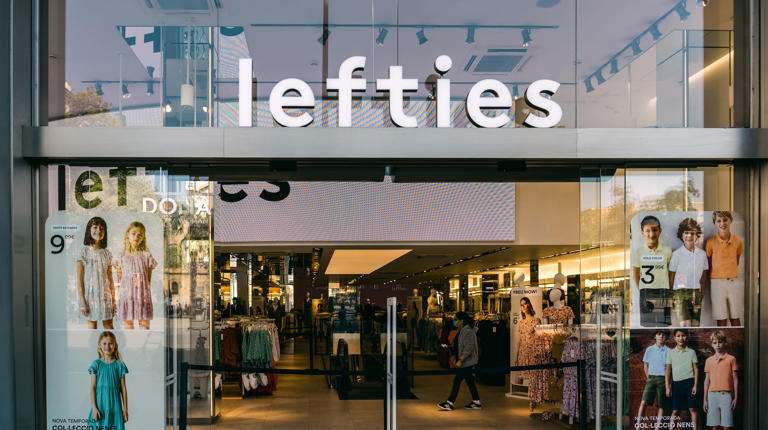
Lefties becomes Inditex's new weapon against Primark and Shein
While much of the global apparel industry has focused on the rapid rise of digital-first retailers such as Shein and... Read more
Bangladesh’s apparel export model hits a breaking point as price wars reduce mar…
Bangladesh's apparel industry, long regarded as the world's manufacturing hub for affordable, high-volume garments, is facing one of its most... Read more
EU textile labeling crackdown exposes apparel supply chain compliance risks
The European apparel industry is facing a major compliance challenge after a coordinated market surveillance exercise by the European Commission... Read more
Can Surat overcome raw material volatility to become a global MMF hub?
Surat remains the undisputed heart of India's man-made fibre (MMF) textile industry. The Gujarat cluster produces nearly 65 per cent... Read more
Emerging markets redraw the global fashion spending map
The global apparel industry is facing a geographic realignment as rising middle-class in developing economies reshape consumer spending patterns. New... Read more
Shrinking cotton harvest puts global textile supply chains under pressure
The global textile industry is heading into another challenging procurement cycle as falling cotton production and shrinking cultivation areas threaten... Read more