The European Union (EU) is planning to enter into a five-year strategic partnership with Pakistan as the current relationship between the two has reached a mature level. The textile industry in Pakistan contributes 8.5 per cent to GDP and 60 per cent to exports while employing 38 per cent of the workforce. The EU has provided Pakistan GSP Plus status.
Pakistan wants brand owners of textiles from the EU to divert the bulk of their buying from Pakistan since it is well placed for the production and supply of high quality textile goods at attractive prices. Fighting poverty and helping the country on its path towards inclusive and sustainable growth are the aims of EU support to Pakistan. The EU considers that such goals will only be achieved by increasing political stability, improving the rule of law, bringing about human and social development, creating productive and decent work opportunities and diversifying the economy.
Although the EU is regarded a strong economic player it is still seen as a weak political power. The EU intends to change that view by using its position as a development and aid donor as its main strategy to foster democracy and strengthen Pakistan’s institution-building.





EU wants stronger ties with Pakistan
- 1
- 2
- 3
- 4
- 5
- 6
- 7
- 8
- 9
- 10
A Stitch in Time: How circular fashion is moving from niche to the norm

Once considered a fringe movement, circular fashion is rapidly becoming a mainstream business reality. The linear model of ‘take, make,... Read more
H&M invests in AltMat to scale India’s Next-Gen fiber innovation

In a defining move for India’s sustainable fashion ecosystem, H&M Group Ventures has made its first textile investment in the... Read more
EURATEX Director General pitches "New Business Model" at textile confe…
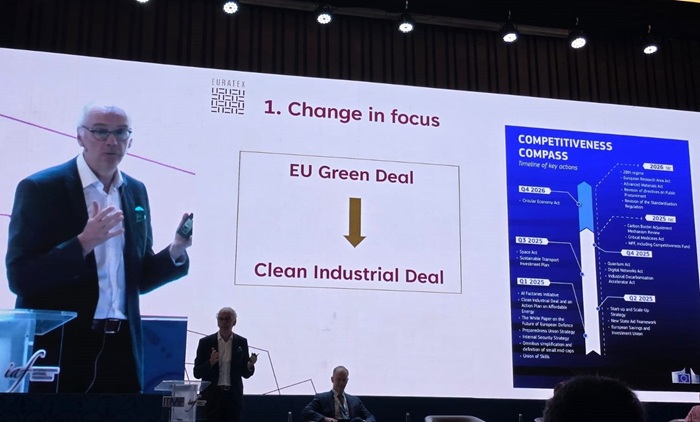
The global textile and apparel value chain is at a critical juncture, requiring a fundamental shift in its operating philosophy.... Read more
From Runway to Atmosphere: When clothes begin to clean the air

At Paris Fashion Week, Stella McCartney once again blurred the line between fashion and science. Her latest innovation, denim that... Read more
Obsessed with Talent: How a ‘Cultural Revolution’ is powering Trussardi’s fashio…
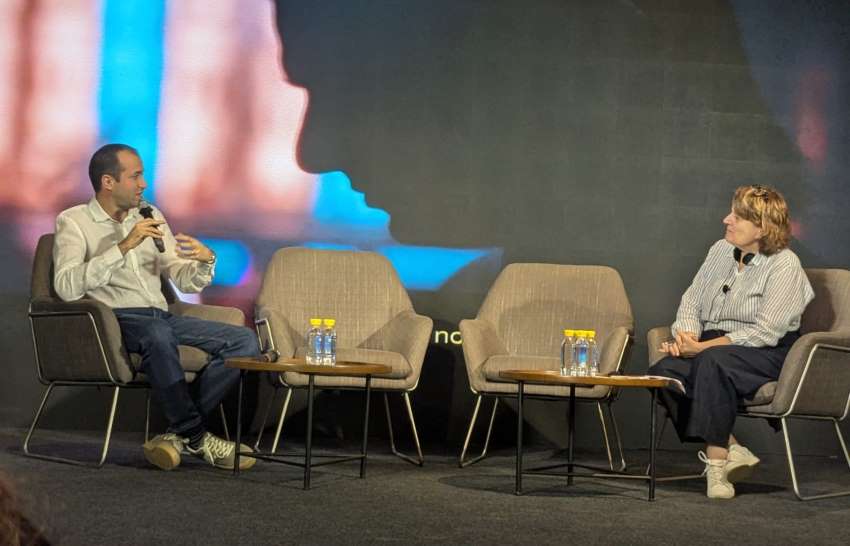
The inaugural 'Italian Fashion Days in India' (Le Giornate della Moda Italiana nel Mondo) officially kicked off yesterday, October 28,... Read more
Global apparel trade moderates in 2025 as Asian exports weaken, Wazir Advisors r…

The global apparel trade continues to reflect the delicate balance between recovery and restraint, as revealed in the October 2025... Read more
Margins, Machines, and Misunderstandings: Inside the global garment shake-up and…

The global garment industry, long a symbol of globalization’s success and excess is entering an age of disruption. Traditional business... Read more
New markets, new factories, India’s apparel industry looks to Africa

In the quiet industrial corridors of Ethiopia’s Hawassa Industrial Park, rows of sewing machines with local workers assemble garments destined... Read more
From Imports to Innovation: India’s bid to lead the carbon fibre economy

A new report highlights the global carbon fibre and yarn market growing and how. The report by Thryve Research projects... Read more
ITMF Annual Conference & Annual Convention: Addressing industry challenges a…
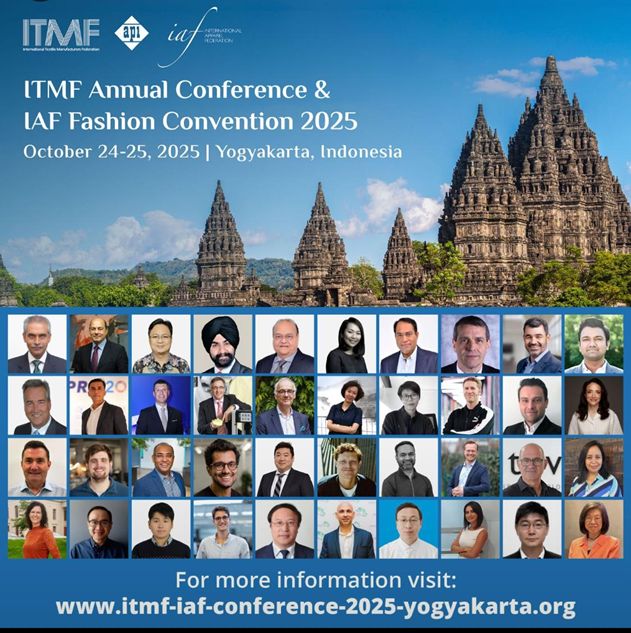
This year, the ITMF Annual Conference & Annual Convention will be held from October 24-25, 2025 at Yogyakarta. Co-hosted by the... Read more

