As the fashion industry confronts a staggering 92 million tons of annual waste, the textile recycling sector has transitioned from a niche sustainability effort into a critical commercial pillar. The global market is valued at $6.34 billion in 2025, with projections reaching $9.94 billion by 2033. This growth is increasingly fueled by Extended Producer Responsibility (EPR) mandates across Europe and the US, which effectively end the era of ‘disposable’ inventory by holding brands financially accountable for a garment's entire lifecycle.
The chemical advantage and AI integration
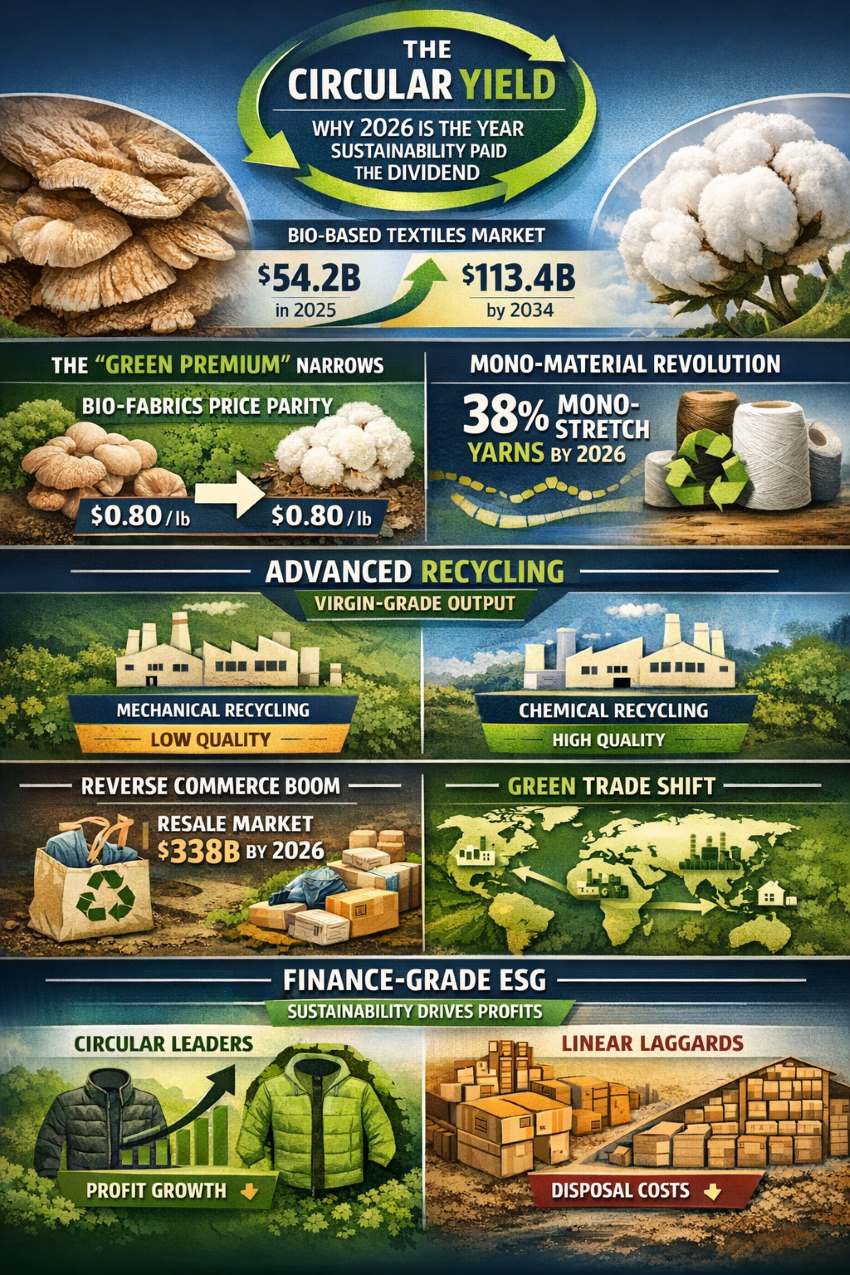
Traditional mechanical recycling, which often degrades fiber length, is being challenged by high-precision chemical processes. Chemical recycling now dominates the sector with a 52.14 per cent market share, enabling the regeneration of polyester and blended fabrics into ‘virgin-quality’ fibers. This technological shift is augmented by AI-powered sorting systems, which have demonstrated the ability to reduce contamination rates by up to 45 per cent. By utilizing near-infrared (NIR) sensors and machine learning, facilities can now identify 13+ fiber types at speeds exceeding one garment per second, solving the long-standing bottleneck of manual labor.
The US market and regulatory tailwinds
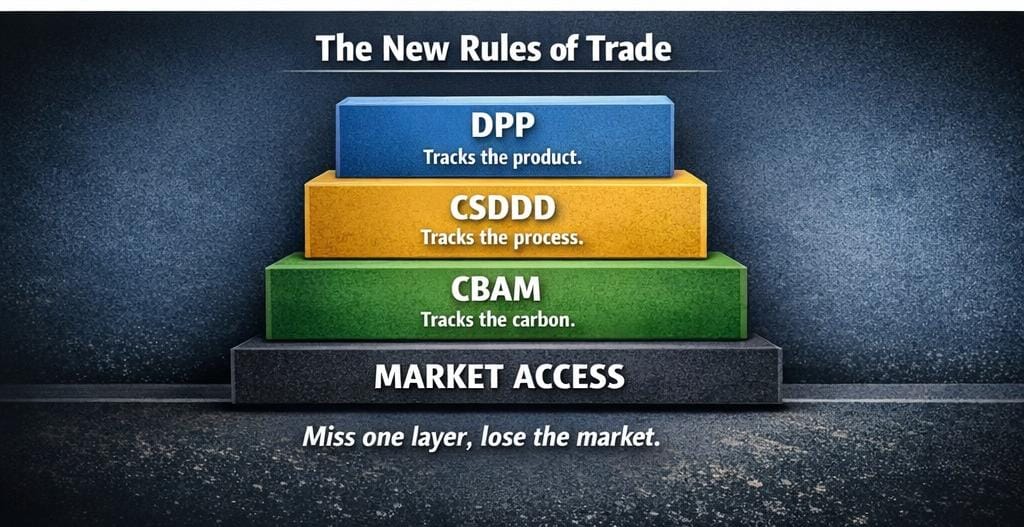
The US segment is experiencing an accelerated 7.96 per cent CAGR, significantly outpacing global averages as domestic brands secure consistent feedstock for recycled polyester lines. However, the industry faces a sharp divide: while 70 per cent of consumers demand sustainable fabrics, only 1 per cent of textiles are currently recycled back into new garments. To bridge this ‘circularity gap,’ major retailers are integrating digital product passports to enhance traceability. As landfill bans tighten, the transition toward a closed-loop system is no longer a branding choice but a necessary hedge against rising waste-dispochemical depolymerization sal premiums and regulatory fines.
Circular infrastructure and market outlook
Textile recyclers manage the collection and reprocessing of post-consumer and industrial waste into high-value raw materials. Key markets include North America and Asia-Pacific, with growth focused on chemical depolymerization for polyester. Historically a fragmented sector, it is now scaling through brand partnerships to meet 2030 zero-waste targets.