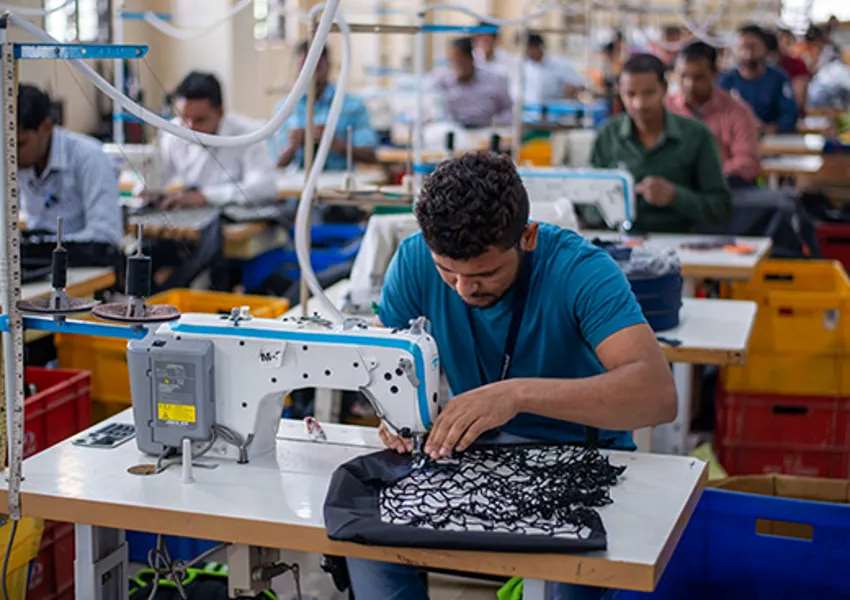
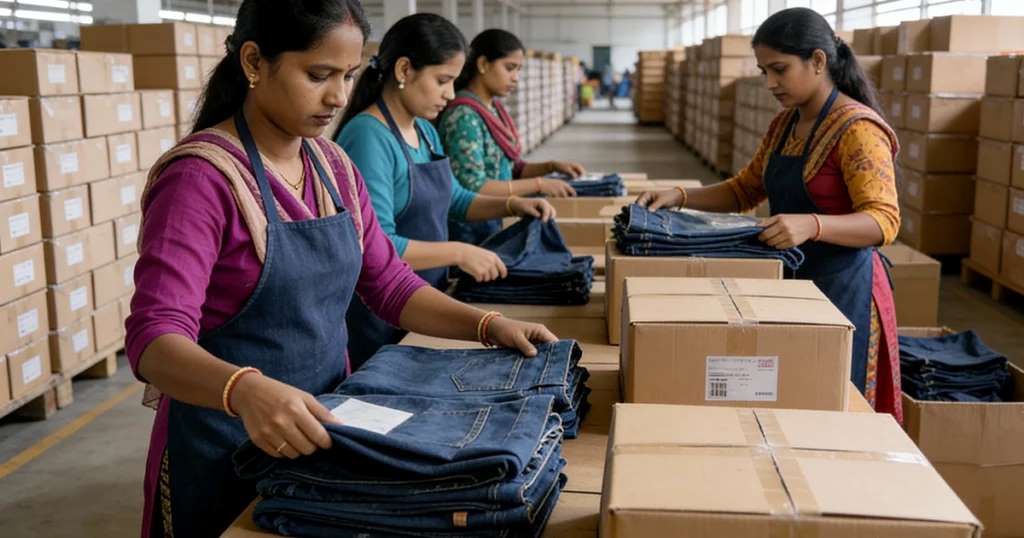
Cambodia’s garment exports grew just four per cent in the first six months of the year. In the same period last year, growth was nine per cent. The slowdown may be due to a 2.3 per cent drop in exports to the United States amid stronger competition from Vietnam and Myanmar.
Increases in Cambodia’s minimum wage were also a factor, leading to higher production costs. Cambodia’s new minimum wage is more than double the minimum wage for garment workers in Bangladesh. Cambodia’s exporters may face more challenges ahead. With the World Bank’s upgrade of the economy last year to lower-middle income country status, Cambodia will no longer receive preferential trade access in the European Union over the next three years.
Foreign direct investment in the garment sector dropped by about 30 per cent in the first quarter of 2017 compared to a five per cent drop in the same period last year. Cambodia is the fifth biggest supplier of garment and textile products to the European Union. It’s behind China, Bangladesh, Turkey and India.
Cambodia’s garment exports to the EU grew by 14 per cent in 2016. The country’s growth in the EU market was largely the result of preferential treatment under the Everything But Arms agreement, which allows its garment products to enter the EU market duty-free due to its status on the list of least developed countries.

- 1
- 2
- 3
- 4
- 5
- 6
- 7
- 8
- 9
- 10
India's textile exporters win competitive advantage in new US tariff regime
A sweeping overhaul of US trade policy has created one of the most competitive openings for India's textile and apparel... Read more
Yarn Expo Autumn: A vital barometer for fiber innovation
Global apparel brands and textile manufacturers are rapidly re-engineering their procurement strategies, pivoting from traditional commodity fibers toward high-tenacity, circular,... Read more
Organic cotton's scale problem raises new risks for fashion supply chains
The global fashion industry's pursuit of sustainable raw materials is facing an uncomfortable reality. Organic cotton, long promoted as the... Read more
India leads global fashion web traffic boom as digital shopping habits evolve
India's digital garment trade has struck an operational turning point, as local shoppers logged 1.4 billion average monthly visits to... Read more
Global apparel trade turns direct as brands bypass traditional distribution netw…
Geopolitical uncertainty, changing tariff regimes and volatile freight costs are forcing manufacturers to rethink how garments reach global consumers. Instead... Read more
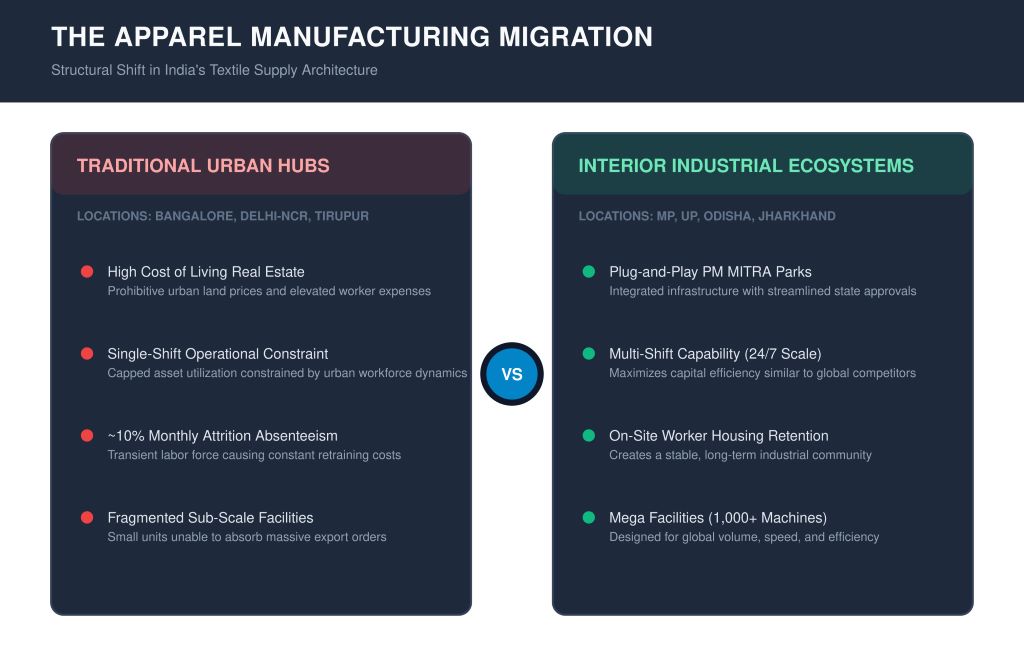
Breaking the Urban Wall: How the interior migration is redrawing India’s apparel…
For decades, India’s garment manufacturing sector has been bound to its traditional strongholds; Bangalore, Delhi-NCR, and Tirupur. Yet, inside the... Read more
Industrial Spirits and Global Mandates: How India’s textile sector plans to capt…
The global textile value chain stands at a generational crossroads. Against this backdrop, the Bharat Tex Roundtable—convened under the theme... Read more
The New Green Silk Road: Lyocell could transform India’s textile trade
The European Union's Ecodesign for Sustainable Products Regulation (ESPR) is forcing apparel companies to rethink raw material sourcing, reducing dependence... Read more
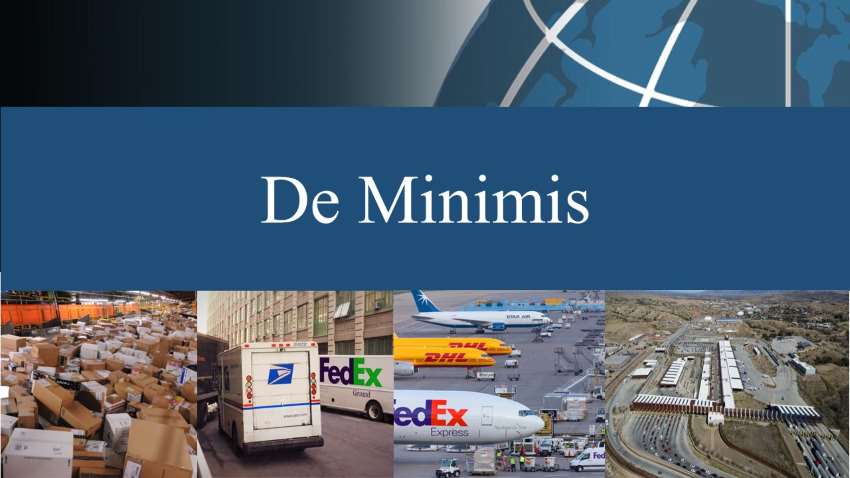
End of De Minimis: How tariffs are reshaping cross-border fashion commerce
Today, competitive advantage is no longer determined solely by production speed or low-cost manufacturing in global fashion industry. Instead, regulatory... Read more
Bharat Tex 2026 ends on historic high as India strengthens global apparel leader…
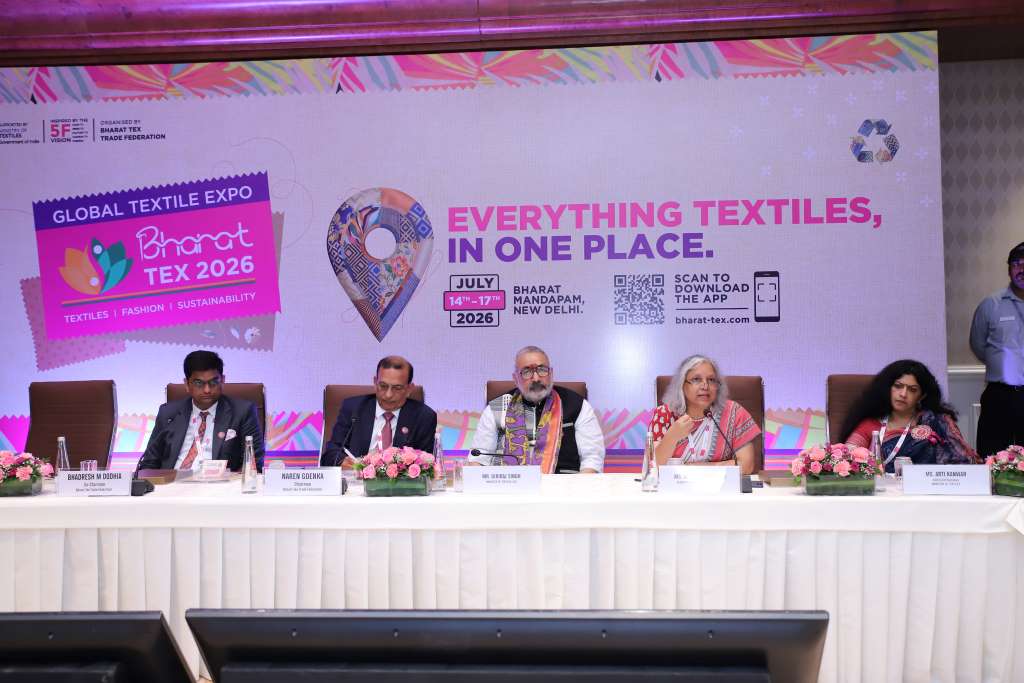
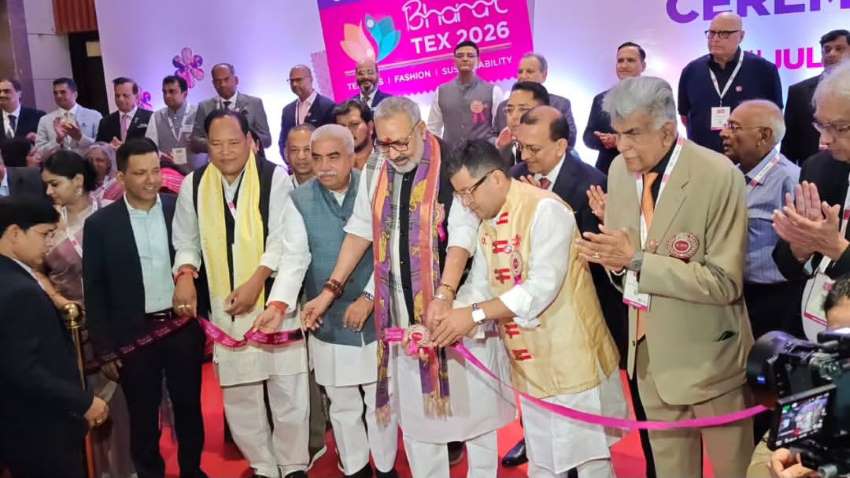
Bharat Tex 2026 has officially wrapped up, marking the most successful chapter in the event’s history. The four-day textile extravaganza... Read more