The Cotton Association of India (CAI) is opposed to the creation of any buffer stock. It says, the creation of a buffer stock system would require a total investment of about Rs 16,000 crores for procuring the desired 80 lakh bales of cotton, which in turn will involve a total recurring expenditure of hundreds of crores a year by way of carrying cost including interest and warehousing cost. In addition to this, the CAI would have to bear the loss that may arise due to a fluctuation in prices.
The textile industry wants a directive to be given to the CAI to procure 70 to 80 lakh bales of cotton in the peak season and retain it as buffer stock and sell this quantity only to actual users during May-September.
CAI says the idea of a buffer stock for exclusive use by a certain sector is wrong, as it will not only distort the market, but will also unsettle other sectors of the cotton value chain. Since India is a huge cotton surplus country, and cotton is available to Indian mills at their doorstep, there is no reason for India to create any buffer stock. If the problem is non-availability of funds with textile mills to buy and stock cotton, it would be appropriate to address this through banking channels.

- 1
- 2
- 3
- 4
- 5
- 6
- 7
- 8
- 9
- 10
Europe cuts apparel volumes and prices, testing South Asian suppliers
European apparel sourcing entered 2026 under simultaneous volume and price pressure, forcing suppliers to absorb a decline that is reshaping... Read more
FICCI-TAG 2026: Mandatory reporting & Textile ID rolled out; Non-Compliance …
In a stern regulatory announcement aimed at creating a robust statistical backbone for India's textile sector, Textile Commissioner Vrunda Manohar... Read more
India’s apparel exporters face a new US tariff risk as margins shrink
The enactment of the Lindsey O. Graham sanctioning Russia and Iran Act of 2026 in Washington has introduced a fresh... Read more
Cellulosics challenge polyester dominance in global fibre market
The global textile raw-materials market has entered a phase where plant-based and regenerated cellulosic fibres have gain ground against fossil-fuel-derived... Read more
From cotton to MMF cost equation is rewriting global textile trade
The global textile and apparel trade has grown from $560 billion in 2006 to $914 billion in 2025, reveals the... Read more
Polyethylene stretch yarn challenges elastane’s hold on activewear
The global activewear, denim and intimate apparel markets have built a substantial business around stretch. But the same fibre combinations... Read more
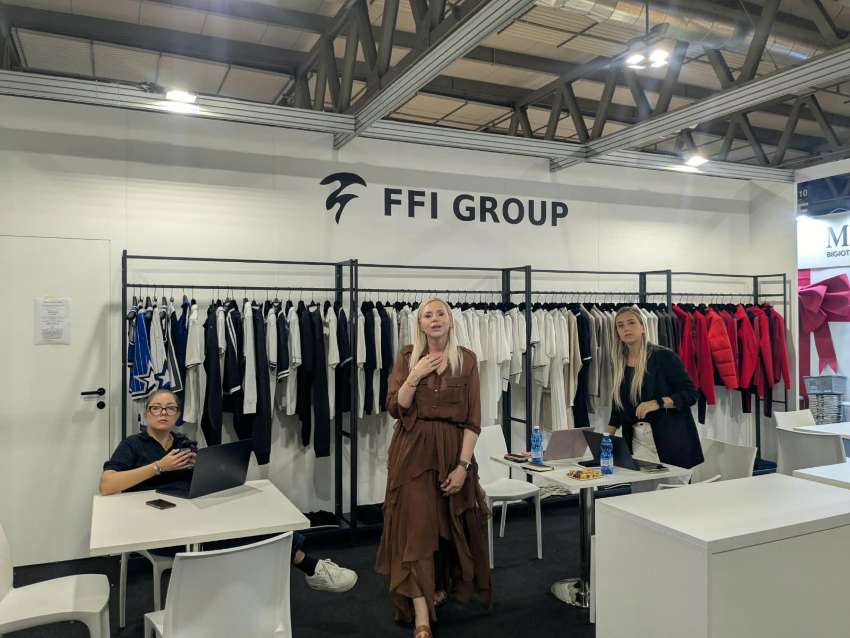
Automation Meets Italian Design: FFI Srl unveils ‘Next-Gen Robotics’ to help bra…
At the recently concluded autumn edition of Ready to Show inside Hall 10 at Fiera Milano-Rho—staged alongside the Milano Fashion... Read more
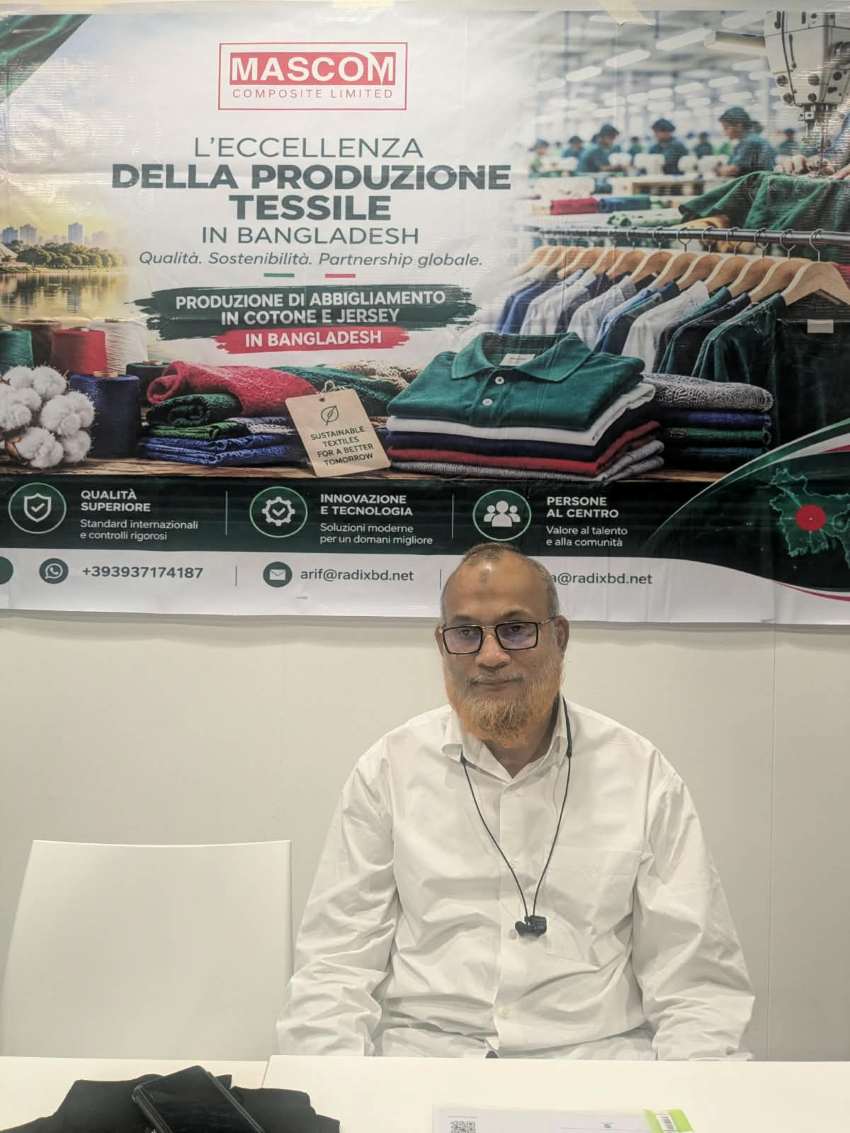
From Dhaka to Milan: Mascom Composite backs Southern Europe’s sports and lifesty…
While the trade floor of Ready to Show Milano inside Hall 10 at Fiera Milano-Rho placed a heavy spotlight on... Read more
How surging silver prices are reshaping ‘Mid-Tier’ fashion jewellery
Escalating global bullion volatility and raw material pricing pressures are forcing a fundamental reassessment across the mid-tier fashion jewellery trade.... Read more
Milano Fashion & Jewels: How ‘Re-Engineered’ heritage crafts are driving hig…
A counter-movement against industrial uniformity is reshaping European bijouterie, transforming authentic craftsmanship into a powerful lever for high-margin boutique growth.... Read more