Parley for the Oceans, a nonprofit, has collaborated with Adidas to produce textiles from ocean waste. Working with a global cleanup network, Parley removes plastic debris from coastlines, ocean waste, and illegal deep-sea gill nets, and transforms it into yarns and filaments.
Since the team released the first prototype, a concept sneaker, in June 2015 in a limited run, it has put out many more shoes and garments, including a midsole 3D-printed from ocean plastic. The newest shoe, Parley Ultra Boost, consists of 95 per cent ocean plastic, or about eleven plastic bottles. Addressing plastic pollution in the oceans is an ecological challenge of massive proportions.
A number of other brands have since followed Adidas’s example of partnering with nonprofits to tackle the plastics problem. Ananas Anam has created a natural textile Piñatex made from pineapple leaves. The product makes use of fiber by-products of pineapple agriculture and requires no additional land, water, fertilizer, or harmful chemicals. The result is a lightweight, flexible, and breathable alternative to resource-intensive leather. Ananas Anam is continuing to develop the material, aiming for a fully biodegradable product. Efforts to grow climate-beneficial fibers are on.





Adidas producing products from ocean waste
- 1
- 2
- 3
- 4
- 5
- 6
- 7
- 8
- 9
- 10
Intertextile Shanghai Spring 2026: Driving fashion’s future AI and sustainabilit…
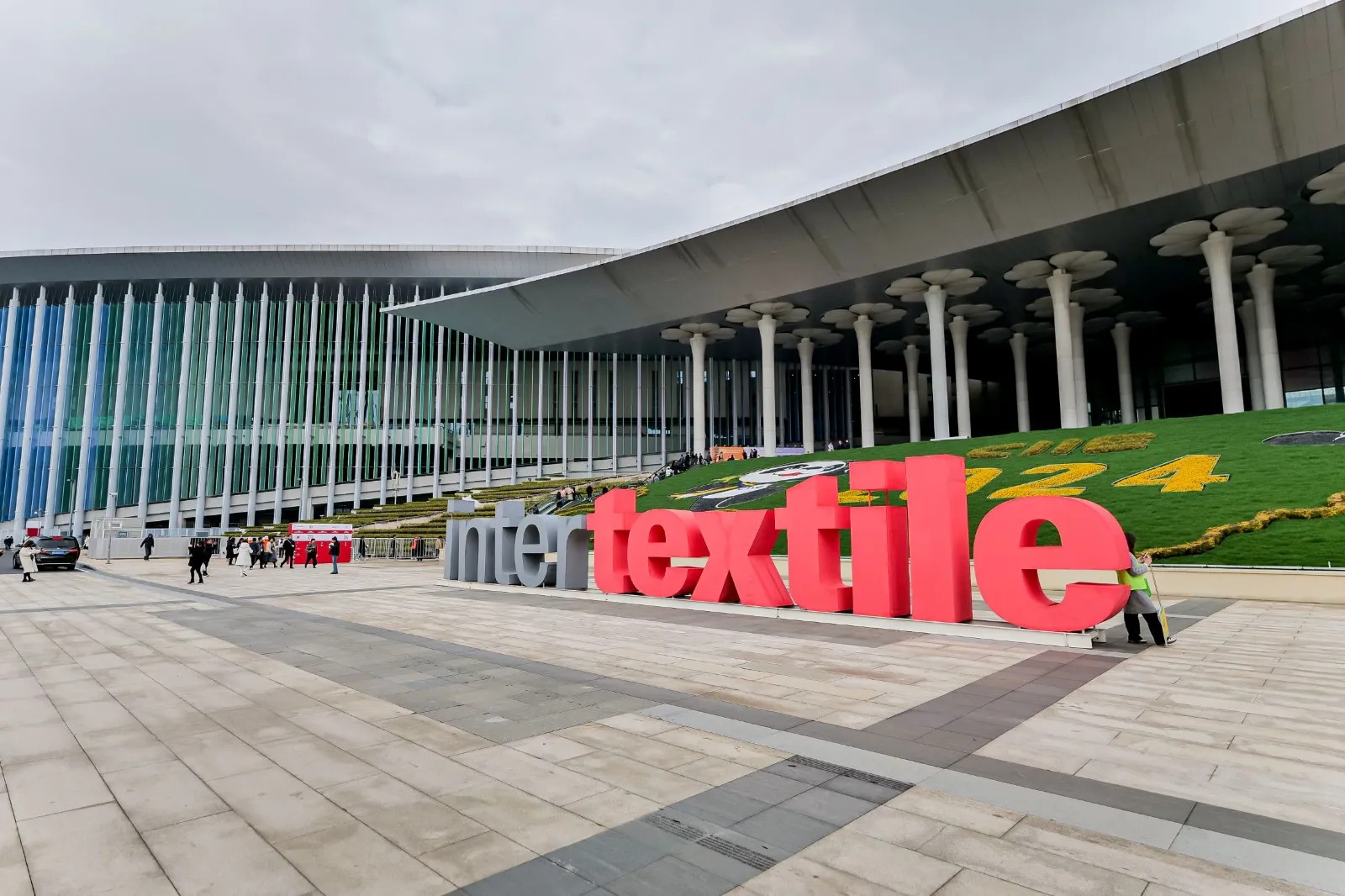
As the global fashion supply chain rapidly evolves through technological advancements, China continues to cement its role as a leader... Read more
H&M Foundation and Accenture warn incremental change can’t save fashion’s cl…

A new report from the H&M Foundation and Accenture reveals that the fashion industry has reached a critical inflection point,... Read more
A Stitch in Time: How circular fashion is moving from niche to the norm

Once considered a fringe movement, circular fashion is rapidly becoming a mainstream business reality. The linear model of ‘take, make,... Read more
H&M invests in AltMat to scale India’s Next-Gen fiber innovation

In a defining move for India’s sustainable fashion ecosystem, H&M Group Ventures has made its first textile investment in the... Read more
EURATEX Director General pitches "New Business Model" at textile confe…
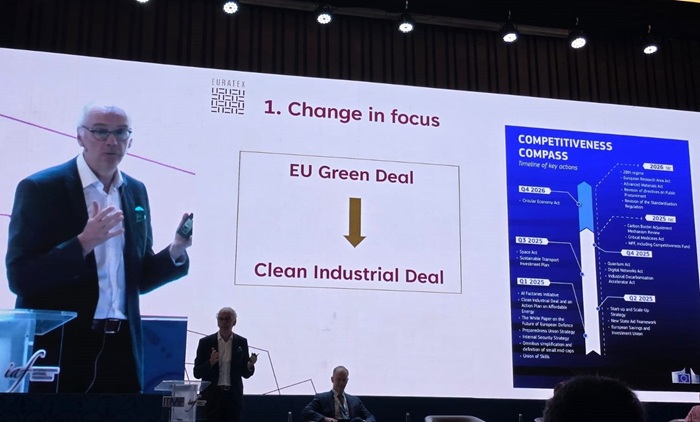
The global textile and apparel value chain is at a critical juncture, requiring a fundamental shift in its operating philosophy.... Read more
From Runway to Atmosphere: When clothes begin to clean the air

At Paris Fashion Week, Stella McCartney once again blurred the line between fashion and science. Her latest innovation, denim that... Read more
Obsessed with Talent: How a ‘Cultural Revolution’ is powering Trussardi’s fashio…
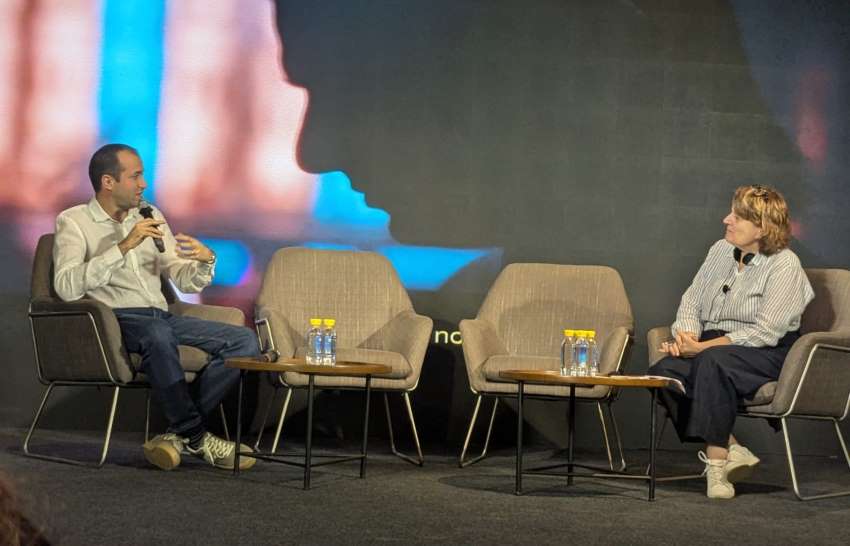
The inaugural 'Italian Fashion Days in India' (Le Giornate della Moda Italiana nel Mondo) officially kicked off yesterday, October 28,... Read more
Global apparel trade moderates in 2025 as Asian exports weaken, Wazir Advisors r…

The global apparel trade continues to reflect the delicate balance between recovery and restraint, as revealed in the October 2025... Read more
Margins, Machines, and Misunderstandings: Inside the global garment shake-up and…

The global garment industry, long a symbol of globalization’s success and excess is entering an age of disruption. Traditional business... Read more
New markets, new factories, India’s apparel industry looks to Africa

In the quiet industrial corridors of Ethiopia’s Hawassa Industrial Park, rows of sewing machines with local workers assemble garments destined... Read more

