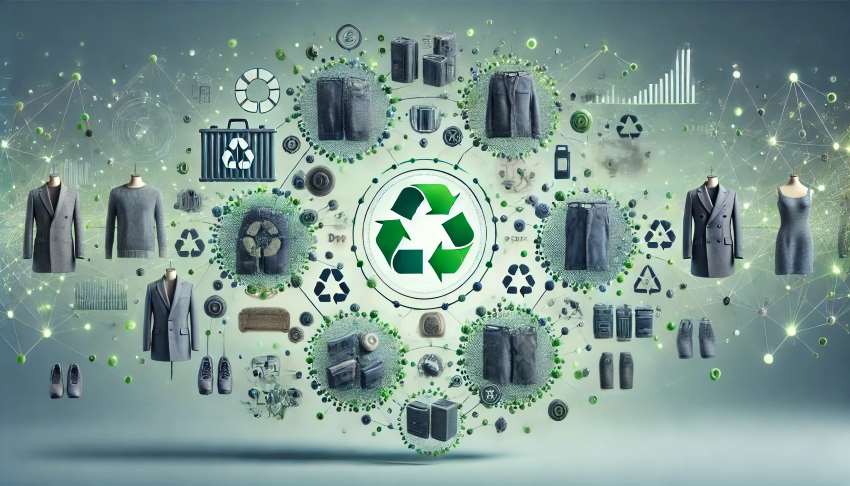
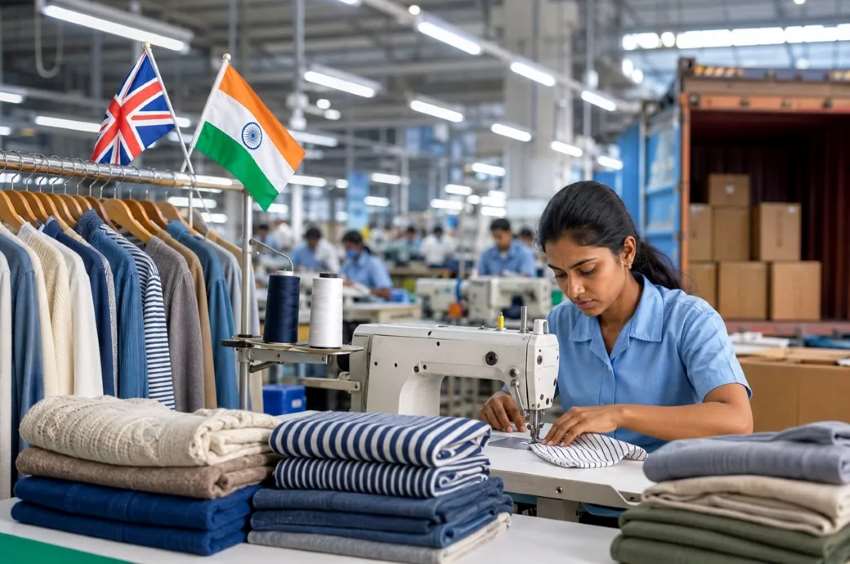
Tirupur is facing a water crisis. So knitwear units have installed zero liquid discharge facilities. This helps them recover 90 per cent of the water required for the industry. The remaining 10 per cent has to be topped up every day. There is a plan to recycle sewage water also.
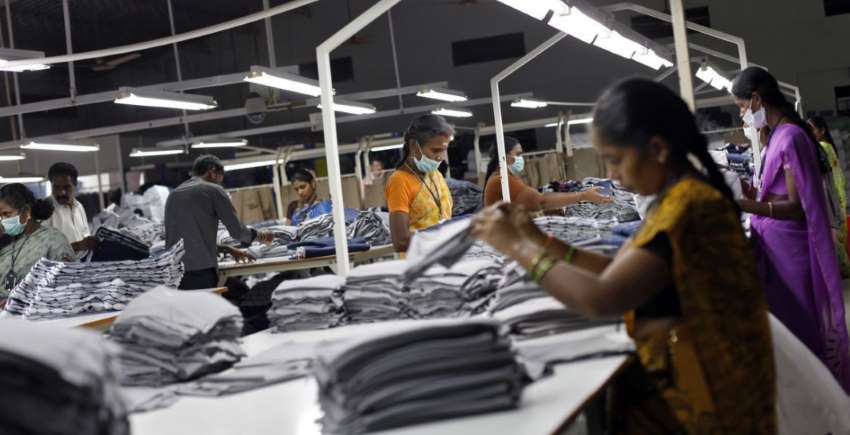
The textile industry is heavily water dependent. Water shortage has reduced efficiency by nearly 25 per cent. There is a shortage of drinking water too. The industry has been through booms and lulls and prolonged slackness in export orders, besides troubles closer home with hundreds of dyeing units found to have improper effluent treatment mechanisms forced to shut down.
Knitwear exports from Tirupur grew 12 per cent in 2015-16 compared to the previous year. The share of Tirupur knitwear exports in India’s total garment exports is 20 per cent. Exporters want a one-time long term initiative to be undertaken to uplift the skill proficiency of existing laborers in order to increase productivity at par with competing countries and at the same time reduce waste.
Limping back on a slow-but-promising western order recovery and robust domestic consumption, Tirupur is pursuing another growth cycle. The cluster sees protective wear, sports garments and defense-related businesses as obvious lines, given its huge spinning capacities.
- 1
- 2
- 3
- 4
- 5
- 6
- 7
- 8
- 9
- 10
The 2027 Mandate: Why denim’s future hinges on verifiable data
For decades, the global denim industry has relied on a narrative of durability, heritage, and authenticity. That narrative is now... Read more
Europe’s textile core unravels as costs, imports and policy pressure bite
Europe’s textile and apparel sector, long seen as a benchmark for craftsmanship and industrial depth, is slipping into a prolonged... Read more
Automation, innovation, regulation are the forces shaping textiles in 2026
The global textile sector has entered a new era. Early 2026 saw the industry breach a $1.06 trillion valuation, reflecting... Read more
The new Brussels rulebook, every EU apparel order is now a balance-sheet risk
The humble export order sheet is undergoing a transformation. What was once a straightforward commercial instrument: SKU, volume, FOB price,... Read more
Why 2026-27 could be a defining cotton year for India’s farm-to-fashion economy
The global cotton economy is entering a more constrained phase, and for India, the implications run far beyond the farm... Read more
Luxury resale’s next big battle is no longer digital, it is about who controls s…
For nearly a decade, the luxury resale story was written in the language of platforms. Market leadership was measured by... Read more
Digital Arms Race: Indian apparel giants deploy AI to neutralize tariff crisis
The Indian textile and apparel sector is in a digital survival phase in 2026, shifting from traditional labor-intensive models to... Read more
Europe’s Textile Endgame: Why Project FAE is becoming fashion’s most critical in…
Europe’s apparel majors are no longer treating circularity as a branding layer. With Project FAE or Feedstock Activation Europe, the... Read more
Engineering color at source, dye-free production is cutting cost, water, and tim…
For over a century, coloring has been anchored in wet processing, an energy-intensive, chemically saturated stage that happen post spinning.... Read more
The €11 bn deadlock, can Europe’s textile recycling catch up?
Europe is at a tipping point. Fast fashion consumption, led by rising incomes and a growing global middle class, has... Read more