Global textile fibre production reached a record 139 million tonnes in 2025, up 5.3 per cent from 132 million tonnes in 2024, according to Textile Exchange’s 2026 Materials Market Report. The increase of seven million tonnes highlights the continuing dominance of synthetic fibres in the global textile economy, with virgin polyester accounting for most of the additional output.
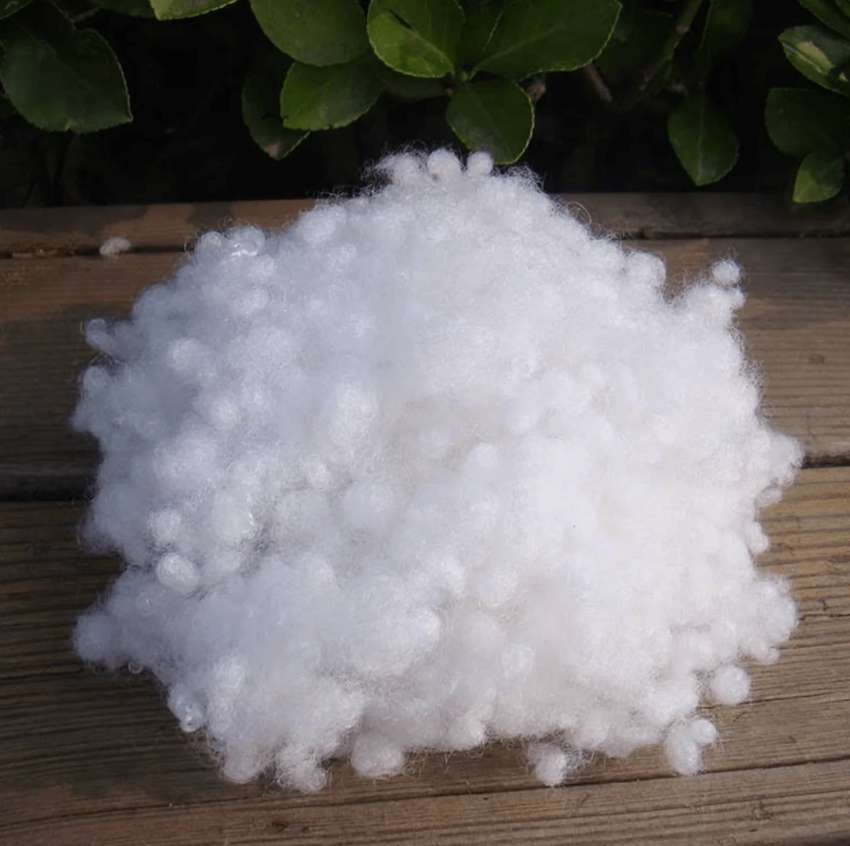
Virgin polyester production rose 7 per cent to 73 million tonnes, giving it a 52.5 per cent share of total fibre output. The growth reflects continuing cost advantage of oil-based synthetics across fast fashion, sportswear, home textiles and industrial applications. It also underlines the gap between sustainability commitments and the economics of large-scale textile manufacturing. While hundreds of brands have sought to reduce virgin synthetic fibre use, overall market demand continues to absorb increasing volumes of conventional polyester.
Polyester keeps cost edge
The cost of polyester remains difficult for alternative fibres to match. Large petrochemical complexes, particularly in China, have maintained substantial production of purified terephthalic acid (PTA) and monoethylene glycol (MEG), keeping polyester feedstock widely available.
For spinning and weaving mills, the price differential between conventional and recycled polyester can become significant when margins are already under pressure. Mills supplying price-sensitive markets therefore continue to favour virgin polyester where buyers prioritise cost and delivery over recycled-content specifications. This is particularly important across Asian manufacturing centres, where yarn producers compete for large apparel and home-textile orders from international retailers. Lower raw-material costs can translate directly into more competitive garment prices.
Table: Fibre output remains synthetic-led
|
Fibre type |
Output (Mt) 2024 |
Output (Mt) 2025 |
Market share 2025 |
Certified or verified share |
Manufacturing countries |
|
Virgin Polyester |
68 |
73 |
52.5% |
None (Raw synthetic) |
China, India, Southeast Asia |
|
Recycled Polyester |
9.2 |
9.7 |
7% |
97% Plastic Bottles; 3% Old Clothes |
China, Southeast Asia, Europe |
|
Other Synthetics (Nylon, Acrylic) |
10.4 |
10.5 |
7.5% |
Under 1% recycled or bio-based |
China, East Asia, United States |
|
Cotton |
24.5 |
25.7 |
18.5% |
37% (Better Cotton, Brazilian ABR) |
India, China, United States, Brazil |
|
Wood-Based Cellulosics (Viscose, Lyocell) |
8.4 |
9.1 |
6.5% |
65% certified pulp (FSC / PEFC) |
China, Indonesia, Austria, India |
|
Wool and Other Natural Fibres |
11.5 |
11 |
8% |
Traceable wool standards |
Australia, New Zealand, Global |
|
Total Fibre Output |
132 |
139 |
100% |
Garment-to-Garment Recycled: 0.76% |
Global Market |
The table shows that polyester is not merely the largest fibre category but also the principal source of incremental industry capacity.
Cotton struggles to regain share
Cotton production increased to 25.7 million tonnes in 2025, but its share of global fibre output remained at about 18.5 per cent. Production remains exposed to weather, pests, water availability and trade restrictions. For textile manufacturers, cotton's relatively slower supply growth has also reinforced the commercial attraction of synthetics. Polyester can be produced continuously through industrial processes and does not face the same dependence on agricultural cycles.
Wood-based cellulosic fibres, meanwhile, increased to 9.1 million tonnes. Viscose, modal and lyocell are gaining interest from brands seeking plant-based alternatives, but their expansion is constrained by the capital and processing requirements of pulp and fibre production.
Recycling remains a bottleneck
The biggest challenge is the limited scale of garment-to-garment recycling. Recycled polyester production reached 9.7 million tonnes in 2025, but 97 per cent of this volume came from recycled plastic bottles rather than discarded textiles. Across the global fibre market, material derived from old clothing represented only 0.76 per cent of total fibre output. This shows the difference between recycling plastic feedstock and creating a commercially viable closed loop for used garments.
Textile recycling remains complicated by blended fabrics, elastane, dyes, trims and contamination. Sorting and processing discarded clothing can therefore cost substantially more than purchasing virgin polyester feedstock. The result is a difficult commercial equation: recycling technologies may work technically, but their economics remain challenging when virgin polyester prices are low.
Regulation changes the equation
The European Union is using regulation to address the gap between voluntary sustainability commitments and actual material consumption. Extended Producer Responsibility schemes and Digital Product Passport requirements under the Ecodesign for Sustainable Products Regulation are expected to increase scrutiny of fibre composition, traceability and recycled content.
This could create a two-speed global textile manufacturing system. Export-oriented mills supplying Europe may need greater investment in certified fibres, traceability systems, testing facilities and production segregation. Mills serving less regulated markets may continue to prioritise low-cost virgin polyester. For Indian, Turkish and Southeast Asian exporters, the distinction could increasingly affect access to premium markets rather than simply determine sustainability credentials.
Economics will shape the next cycle
The 2025 fibre figures point to a central tension in the textile industry: sustainability ambitions are growing , but the fastest-growing material remains virgin polyester. Textile Exchange and other industry bodies are seeking to accelerate the shift towards preferred materials and circular systems. But unless recycled fibres, textile-to-textile technologies and alternative materials can narrow their cost gap with virgin synthetics, production economics will continue to influence purchasing decisions.
The next phase of the fibre market will therefore depend not only on brand commitments, but on whether recycling infrastructure and lower-carbon materials can achieve the scale and price competitiveness required by a 139-million-tonne global industry.