Japan’s apparel industry is turning to state-of-the-art technology in a bold bid to cut labour costs and secure its future, from ready-to-wear knits manufactured instantly to customized dresses produced on inkjet printers. At Shima Seiki’s factory in Western Japan, garments materialise in minutes, thanks to digitally-programmed automated machines that can turn out a sample seam-free pullover in half an hour with a push of a button.
Patented by the Japanese manufacturer, the WholeGarment system and sold to knitwear companies like Italian luxury brand Max Mara includes a digital design system that allows users to choose patterns, colors and cuts. Known for glove-making machinery, Shima Seiki took a technological leap in the 1990s in an effort to revive the flagging fortunes of Japanese apparel manufacturers.
The WholeGarment system allows one worker to operate ten machines - thereby lowering labor costs - and uses limited raw material to create seam-free garments that generate no waste, since they require no cutting. The initiative is part of a push by Japan’s knitwear industry to capitalize on its technical know-how to create garments that cannot be replicated elsewhere at a lower cost.
The focus on technique and technology has already paid off, with Japan’s knitwear sector registering a 40 percent increase in exports over a 10-year period beginning in 2006, a rare bright spot in an otherwise dismal picture for textile and apparel exports from the country.

- 1
- 2
- 3
- 4
- 5
- 6
- 7
- 8
- 9
- 10
Europe cuts apparel volumes and prices, testing South Asian suppliers
European apparel sourcing entered 2026 under simultaneous volume and price pressure, forcing suppliers to absorb a decline that is reshaping... Read more
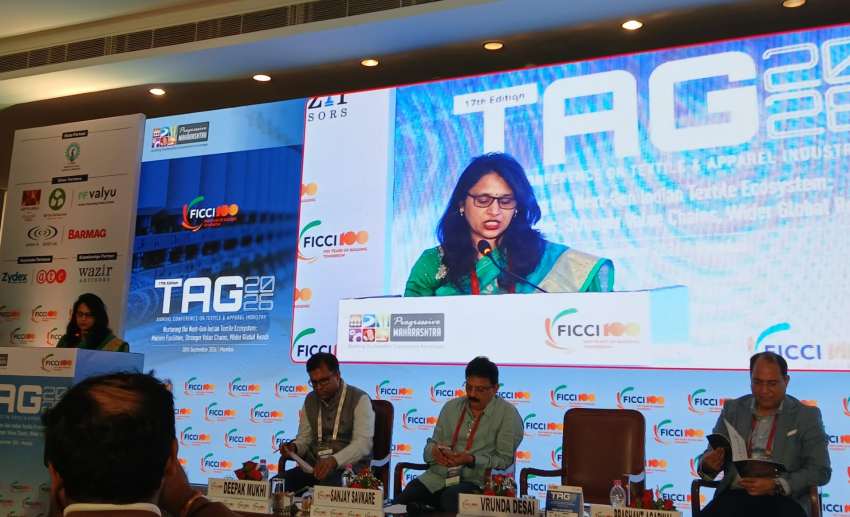
FICCI-TAG 2026: Mandatory reporting & Textile ID rolled out; Non-Compliance …
In a stern regulatory announcement aimed at creating a robust statistical backbone for India's textile sector, Textile Commissioner Vrunda Manohar... Read more
India’s apparel exporters face a new US tariff risk as margins shrink
The enactment of the Lindsey O. Graham sanctioning Russia and Iran Act of 2026 in Washington has introduced a fresh... Read more
Cellulosics challenge polyester dominance in global fibre market
The global textile raw-materials market has entered a phase where plant-based and regenerated cellulosic fibres have gain ground against fossil-fuel-derived... Read more
From cotton to MMF cost equation is rewriting global textile trade
The global textile and apparel trade has grown from $560 billion in 2006 to $914 billion in 2025, reveals the... Read more
Polyethylene stretch yarn challenges elastane’s hold on activewear
The global activewear, denim and intimate apparel markets have built a substantial business around stretch. But the same fibre combinations... Read more
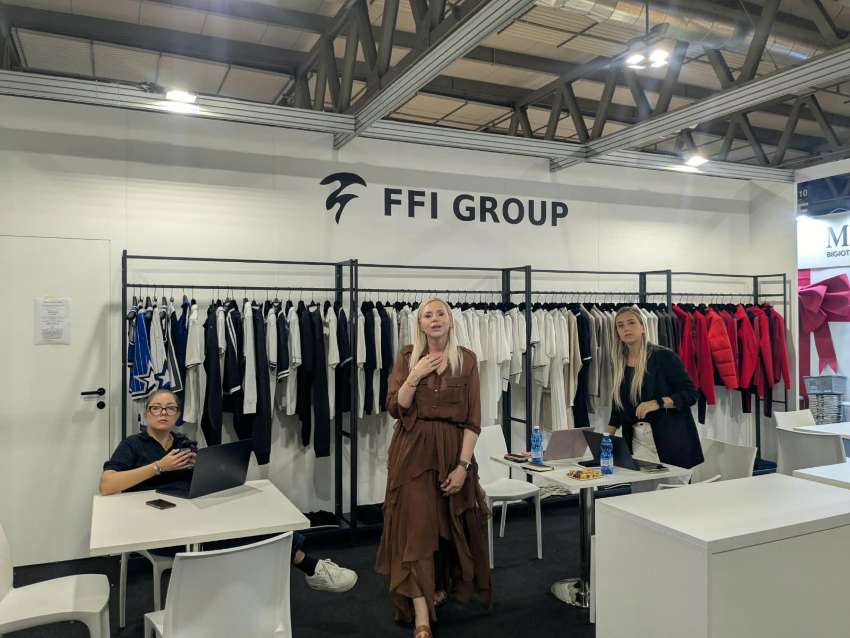
Automation Meets Italian Design: FFI Srl unveils ‘Next-Gen Robotics’ to help bra…
At the recently concluded autumn edition of Ready to Show inside Hall 10 at Fiera Milano-Rho—staged alongside the Milano Fashion... Read more
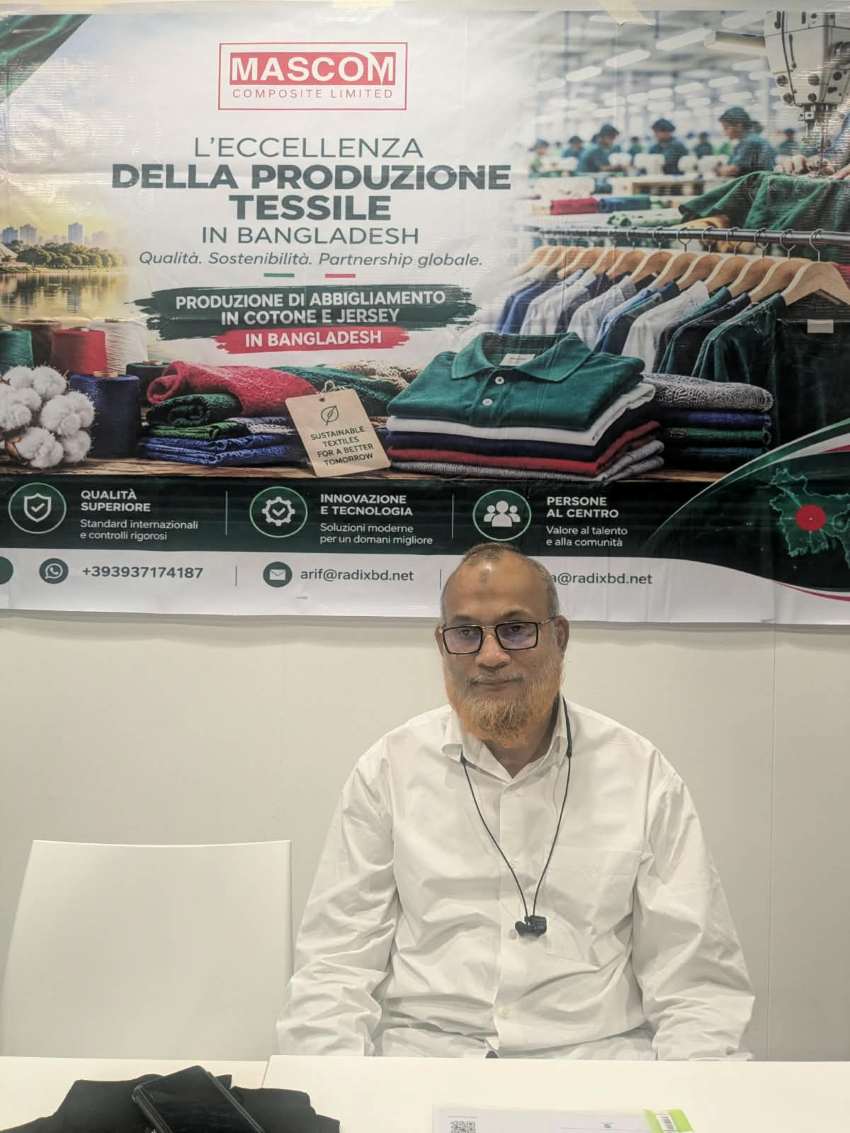
From Dhaka to Milan: Mascom Composite backs Southern Europe’s sports and lifesty…
While the trade floor of Ready to Show Milano inside Hall 10 at Fiera Milano-Rho placed a heavy spotlight on... Read more
How surging silver prices are reshaping ‘Mid-Tier’ fashion jewellery
Escalating global bullion volatility and raw material pricing pressures are forcing a fundamental reassessment across the mid-tier fashion jewellery trade.... Read more
Milano Fashion & Jewels: How ‘Re-Engineered’ heritage crafts are driving hig…
A counter-movement against industrial uniformity is reshaping European bijouterie, transforming authentic craftsmanship into a powerful lever for high-margin boutique growth.... Read more