A $179 billion industrial cornerstone contributing 2 per cent to the national GDP, the Indian textile and apparel sector is currently navigating a sophisticated transition toward high-tech automation and circular production. As global sourcing patterns shift and the domestic man-made fiber ecosystem matures, scheduled for April 9–11, 2026, at the Bombay Exhibition Centre, the upcoming Gartex Texprocess India Mumbai has emerged as a critical barometer for the industry's next phase. This mobilization of the value chain arrives at a time when Indian manufacturers are under increasing pressure to balance massive scale - supporting 45 million livelihoods - with the precision required by modern international trade standards.
Technological integration and global machinery synergies
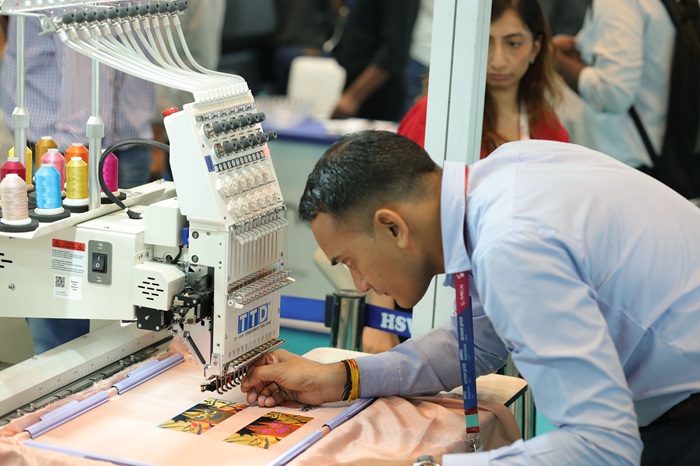
A significant shift in this year’s manufacturing narrative is the deepening integration of international technology within Indian factory floors. With over 125 companies representing elite machinery hubs - including Germany, Italy, Japan, and Taiwan—the focus has moved beyond simple assembly toward integrated ‘smart’ manufacturing. This edition marks a strategic expansion into specialized categories such as advanced knitting machinery and fusing technologies, reflecting a broader sector move toward efficiency and precision. The participation of over 300 brands, ranging from digital printing leaders like Epson and Jaysynth to automation specialists like Stampit Robotai, underscores a market-wide drive to replace legacy systems with high-speed, data-driven hardware capable of meeting the rigorous demands of global fast-fashion and technical textile cycles.
Denim innovation and the circularity mandate
Supported by the Denim Manufacturers Association, the co-located Denim Show highlights a sector-specific pivot toward resource-efficient finishing. Major domestic mills, including LNJ Denim, Siyaram’s, and Ginni International, are increasingly focusing on the ‘laundry of the future,’ where chemical and water consumption are drastically reduced through new dyeing and washing technologies. This aligns with a wider industry movement towards ‘Zero-Waste’ production, a necessity as global regulations tighten around textile waste and environmental accountability. Exhibitors are no longer presenting sustainability as a peripheral marketing tool but as a core operational requirement, showcasing machinery specifically engineered for water recycling and energy conservation to protect long-term margins against rising utility costs.
AI adoption and data-driven design logic
Beyond physical hardware, the industry is grappling with the digital transformation of the design-to-delivery pipeline. The scheduled ‘Gartex Talks’ and ‘Denim Talks’ sessions reflect a shift in leadership priorities toward Artificial Intelligence and consumer data analytics. By exploring how AI can move from simple trend prediction to active production management, the industry is attempting to solve the chronic issue of overproduction. This intellectual exchange targets the intersection of ‘Culture and Commerce,’ analyzing how global shifts in athleisure and performance fabrics are dictating the machinery requirements of tomorrow. As India aims to increase its share of the global man-made textile market, these discussions provide the strategic framework for transitioning from a traditional cotton-led economy to a diversified, tech-heavy apparel powerhouse.
A definitive trade platform
Jointly organized by Messe Frankfurt Trade Fairs India and MEX Exhibitions, Gartex Texprocess is the definitive trade platform for the garment and textile machinery industry in India. It connects fabric suppliers, trim manufacturers, and technology providers with the wider apparel production ecosystem. Historically a catalyst for sectoral modernization, the event now focuses on scaling India's $179 billion textile economy through automation, sustainable processing, and vertical integration, facilitating the country's goal of becoming a global manufacturing hub by 2030.