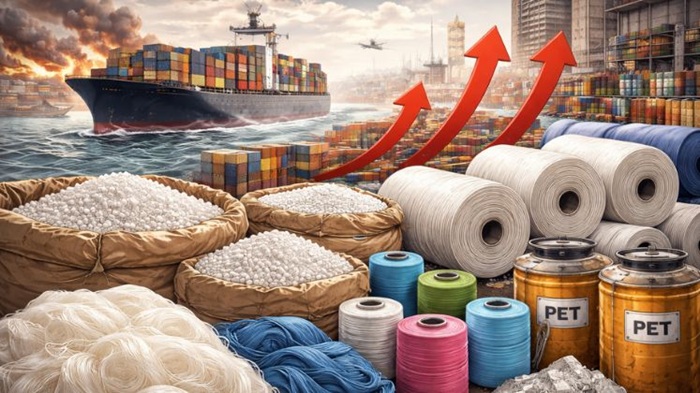
The strategic parameters of the Australian textile and apparel industry are undergoing an institutional overhaul as local stakeholders prioritize domestic sovereign capability over multi-tiered offshore assembly. Concluding its landmark 30th-anniversary schedule at the Museum of Contemporary Art in Sydney, the event transitioned from a conventional retail showcase into an active business platform focused on manufacturing security. Amid persistent global trade disruptions and rising shipping surcharges, the industry-led discussions centered on reshoring key raw material processing capabilities. By focusing on advanced local value-add infrastructure, specifically for premium regional wool and cotton fibers, the sector aims to insulate local designers from volatile international freight networks and safeguard production timelines.
Circular AI-powered facilities counteract ultra-fast fashion volume
To mitigate intense pricing friction from international digital apparel platforms, Australian fabric engineers are deploying low-waste production models and automated material tracing. Data compiled for the Spring/Summer 2026 manufacturing cycle shows an aggressive 30 per cent increase in the integration of dense tactile fabrics like raw denim, deadstock yarn, and bio-fabricated textiles across local label portfolios. These technical innovations are backed by federal programs like the Flourish First Nations Fashion and Textiles Fund, which systematically scales design-to-production frameworks directly within regional communities. This industry-wide transition toward zero-waste, digital sampling on the factory floor equips domestic manufacturers to deliver premium, compliance-verified textile runs that successfully bypass the carbon-intensive footprints of traditional fast-fashion distribution channels.
Managing a strategic roadmap
Delivered through its dedicated subsidiary AFC Fashion Events, the Australian Fashion Council (AFC) is the peak national body governing Australia's textile, clothing, and footwear ecosystem. The organization manages a strategic roadmap under the NSW Fashion Sector Strategy to scale advanced onshore manufacturing, secure international export corridors, and implement standardized circular economy protocols across all local apparel supply chains.