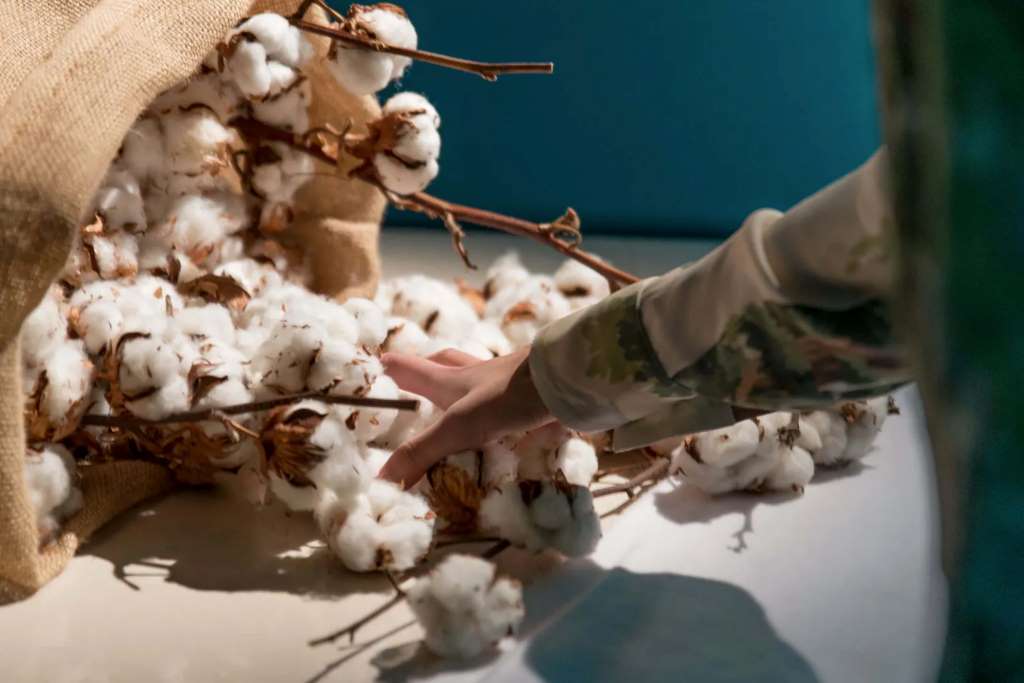
Farmers in Pakistan say the drop in cotton production is due to the supply of substandard seeds and some other factors. The country’s cotton production this year is about 10.4 million bales, while the estimated yield was about 14 million bales.
So it’s now anticipated that billions of dollars have to be spent to import cotton, while if agriculture-friendly policies had been followed and good quality cotton seeds had been supplied to farmers, the need for importing cotton would never have developed.
Pakistan’s future cotton policy envisages a number of strategies which include: germ-plasm improvements, development of hybrid cotton, improved farm and crop management, bringing additional area under cultivation, minimising post-harvest losses, increasing cotton production, improving yields per hectare, evolving disease resistant varieties, promoting Bt cotton cultivation and improving the overall quality of cotton.
The country’s cotton production in 2015-16 declined by 28 per cent due to reasons like climate change, competition with other crops, lower market prices and the outbreak of pink bollworm. In Pakistan, economic losses from contamination cost the cotton value chain, from raw cotton to garments, 1.4 billion dollars per year.
To meet the demand for extra-long staple cotton, about two million bales are imported annually. The country is also encouraging multinational and national technology providers to introduce the latest and most effective insect protection technology.
- 1
- 2
- 3
- 4
- 5
- 6
- 7
- 8
- 9
- 10
From field to fiber, Bharat CottonNet is closing India’s cotton value gap
India’s cotton economy is entering a decisive phase of reform with the rollout of Bharat CottonNet 2026 along with the... Read more
US apparel imports drop 13.5% as Vietnam gains and China’s grip breaks
The US apparel sourcing market has entered 2026 with a sharp demand decline but an equally important shift in supplier... Read more
H&M finds growth below revenue line as margin discipline pays off
H&M Group’s latest quarter signals a decisive shift in global fast fashion: scale is no longer the primary reason for... Read more
As Europe cuts orders, India sees a rare export window post-FTA
The sharp dip in EU apparel imports is not, at first glance, the kind of headline exporters celebrate. January’s 15.48... Read more
The Death of the "Stockpile" Model: Inside the Digital Textile disrupt…
For decades, the global textile industry has been a game of high-stakes gambling: manufacture thousands of identical garments, ship them... Read more
Fuel crisis, rising costs the geopolitical shockwave hitting Indian textiles
The hum of textile machinery in Panipat has gone dead. Over 400 dyeing units have put their shutters, not because... Read more
Price wars, fast fashion, diamond money leads to Surat’s industrial shake-up
The sound of Surat’s diamond polishing wheels, once the city’s heartbeat, is fading. In its place, the relentless pulse of... Read more
India’s textile market nears Rs 15 lakh cr as domestic demand rewrites growth
India’s textile and apparel economy is no longer being driven merely by population growth or festive consumption cycles. It is... Read more
China Discounts, Bangladesh Bleeds: Inside Europe’s new apparel sourcing crisis
Europe’s fashion imports opened 2026 with a hard jolt. Fresh Eurostat-linked trade data for January shows the European Union’s apparel... Read more
Geopolitical volatility triggers sharp decline in global textile confidence: Sur…
The global textile industry is grappling with a sudden and severe downturn in sentiment as regional conflicts disrupt essential trade... Read more