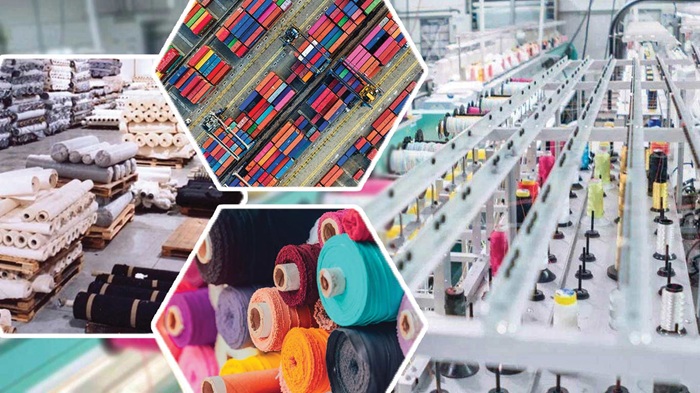
The mounting problem of textile waste is beginning to be quantified in scientific research.
Across the globe consumers now purchase more than 80 billion pieces of new clothing each year, with an increasing amount ending up in landfills.
The average North American threw away 81 pounds of clothing in the previous year – 95 per cent of which could have been reused or recycled.
It is a lack of consumer awareness and understanding which has dictated these habits. Many do not have a grasp of the environmental impact of clothing production and disposal.
In order to encourage a change in behavior, donating and buying second-hand goods should be easy and accessible for consumers. Convenience is one of the top five reasons people choose to donate their clothing. They say they would support recycling bins in urban areas to reduce the amount of waste going to landfills. But 80 per cent would only be willing to drive 15 minutes or less to donate their unwanted apparel.
Decluttering their homes and saving money are primary reasons consumers choose to donate and buy secondhand clothes.
Public education is vital to ensure people realise the real cost of overconsumption and excessive waste in the apparel sector.
- 1
- 2
- 3
- 4
- 5
- 6
- 7
- 8
- 9
- 10
Polyester volatility redraws India’s textile industry competitive map across Asi…
India’s synthetic textile industry has entered a phase of cost instability as polyester staple fibre (PSF) prices rise across domestic... Read more
The £7 Billion Question: Who pays for fashion’s ‘free rental’ habit?
The global fashion industry is facing an uncomfortable paradox: its most valuable customers may also be its most destructive. A... Read more
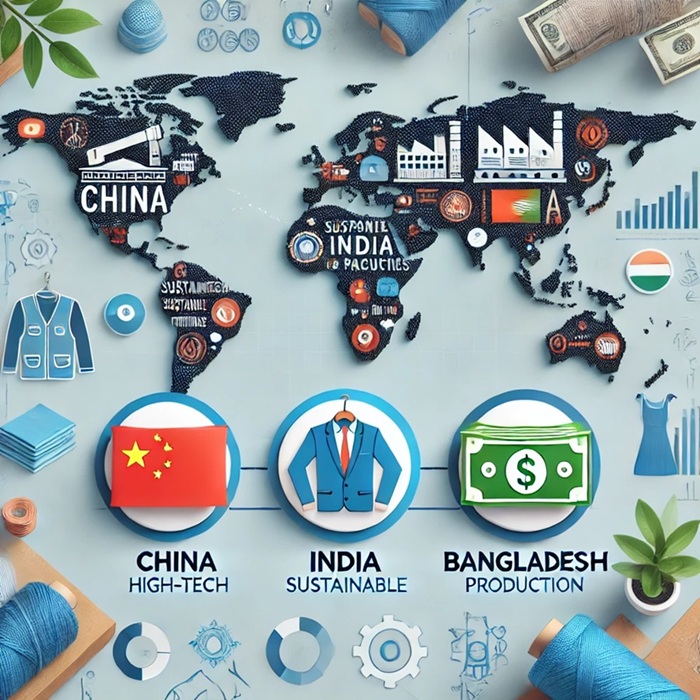
India, China Bangladesh face fresh headwinds as global apparel markets rebalance
Global apparel trade is entering a more uneven recovery phase, with demand growth persisting but losing uniform momentum across major... Read more
Global cotton enters a deficit year in 2026 as supply drop meets logistics risk
The global cotton economy has entered a fragile and sensitive phase. Early projections for the 2026-27 season suggest that world... Read more
India’s textile trade gets a Pacific push as New Zealand FTA removes tariff barr…
India and New Zealand have inked a ‘once-in-a-generation’ Free Trade Agreement (FTA), one that will have a profound impact on... Read more
Lululemon’s world-first nylon circularity push signals a new apparel arms race
The global apparel industry’s circularity narrative is entering a more technically demanding phase. Polyester recycling once the flagship of sustainable... Read more
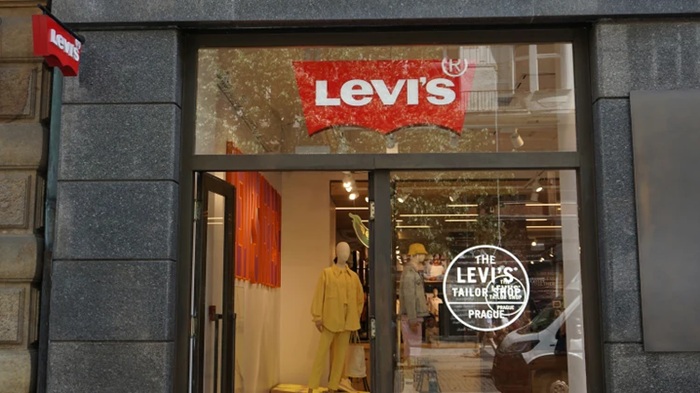
Beyond the DTC Rush: Levi’s hybrid channel strategy sets a new retail benchmark
The global apparel sector is entering a phase where channel strategy is no longer a tactical lever but a core... Read more
The New Rules of Resale: EPR turning secondhand into fashion’s strategic growth …
The global fashion industry is facing a decisive regulatory and commercial reset. What began as a sustainability narrative around reuse... Read more
The 2027 Mandate: Why denim’s future hinges on verifiable data
For decades, the global denim industry has relied on a narrative of durability, heritage, and authenticity. That narrative is now... Read more
Europe’s textile core unravels as costs, imports and policy pressure bite
Europe’s textile and apparel sector, long seen as a benchmark for craftsmanship and industrial depth, is slipping into a prolonged... Read more