Robert Fraley, Chief Technology Officer at biotechnology giant Monsanto, believes communicating science and training next-generation STEM graduates are just as important as doing science. Texas Tech University, hosted a team of six Monsanto executives lead by Robert Fraley recently. Fraley, a much accomplished scientist with World Food Prize and US National Medal of Technology engaged the whole afternoon with researchers and students to talk about the importance of science, communicating science and training next generation workforce with science and technology education.
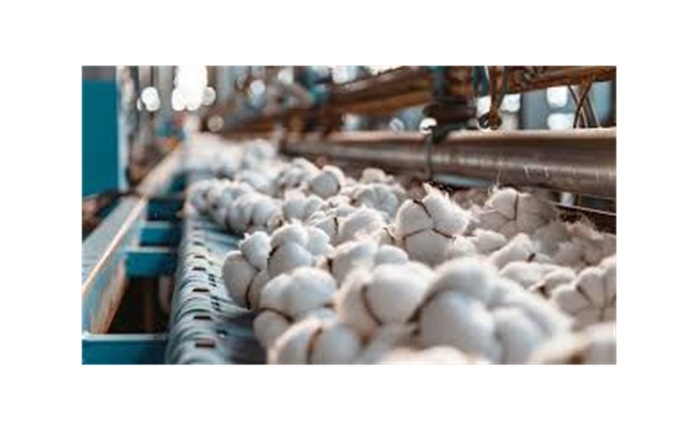
He emphasized the need for not only geneticists but also people who are trained in social sciences, statistics and data analytics, emphasizing the need for multidisciplinary knowledge in the future R & D industry. Fraley’s group was the first team in the world to put a gene into a plant that resulted in technologies such as Bollgard and Roundup Ready, which basically enhanced the yield of cotton in countries like India, which became the world number in cotton production last year. Nearly 25 per cent of Monsanto’s R&D budget is set aside for collaborations involving start-ups, academia and small businesses.
This March, Monsanto broke ground for a $140 million cottonseed production facility in Lubbock to be operational in summer 2017, will cater to the cotton seed requirement of the whole United States.
- 1
- 2
- 3
- 4
- 5
- 6
- 7
- 8
- 9
- 10
The £7 Billion Question: Who pays for fashion’s ‘free rental’ habit?
The global fashion industry is facing an uncomfortable paradox: its most valuable customers may also be its most destructive. A... Read more
India, China Bangladesh face fresh headwinds as global apparel markets rebalance
Global apparel trade is entering a more uneven recovery phase, with demand growth persisting but losing uniform momentum across major... Read more
Global cotton enters a deficit year in 2026 as supply drop meets logistics risk
The global cotton economy has entered a fragile and sensitive phase. Early projections for the 2026-27 season suggest that world... Read more
India’s textile trade gets a Pacific push as New Zealand FTA removes tariff barr…
India and New Zealand have inked a ‘once-in-a-generation’ Free Trade Agreement (FTA), one that will have a profound impact on... Read more
Lululemon’s world-first nylon circularity push signals a new apparel arms race
The global apparel industry’s circularity narrative is entering a more technically demanding phase. Polyester recycling once the flagship of sustainable... Read more
Beyond the DTC Rush: Levi’s hybrid channel strategy sets a new retail benchmark
The global apparel sector is entering a phase where channel strategy is no longer a tactical lever but a core... Read more
The New Rules of Resale: EPR turning secondhand into fashion’s strategic growth …
The global fashion industry is facing a decisive regulatory and commercial reset. What began as a sustainability narrative around reuse... Read more
The 2027 Mandate: Why denim’s future hinges on verifiable data
For decades, the global denim industry has relied on a narrative of durability, heritage, and authenticity. That narrative is now... Read more
Europe’s textile core unravels as costs, imports and policy pressure bite
Europe’s textile and apparel sector, long seen as a benchmark for craftsmanship and industrial depth, is slipping into a prolonged... Read more
Automation, innovation, regulation are the forces shaping textiles in 2026
The global textile sector has entered a new era. Early 2026 saw the industry breach a $1.06 trillion valuation, reflecting... Read more