Global Textile machinery market is witnessing tremendous growth buoyed by growing demand of textile and apparel market, believes Sanjiv Lathia, Chairman, India ITME Society. Lathia addressed the media recently in Milan, Italy while announcing the 10th edition of India International Textile Machinery Exhibition 2016, the largest textile machinery and accessory exhibition in India which will be held from December 3 to 8, 2016 at Bombay Exhibition Centre, Mumbai, India.
Textile machinery growth on upswing Lathia explained the industry growth in India over the years. The industry witnessed a growth of 8-10 per cent to Rs 22, 000 crores in 2014 from Rs 20,000 crores in 2013. The size of India’s textile machinery industry is poised to double to Rs 45,000 crores in the next seven years from the present Rs 22,000 crores in light of new projects and emphasis on setting up textile parks. The textile machinery manufacturing section is one of the important segments of the machinery manufacturing industry in India.
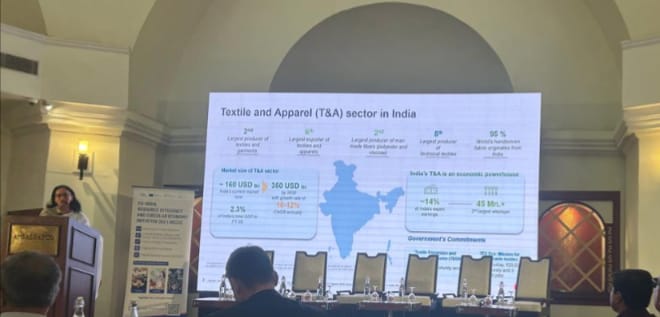
Meanwhile, India’s textile and apparel industry (domestic and exports) is expected to grow from the current $107 billion to $223 billion by 2021. India is expected to be a leading textile producing country in the world by 2020. He points out, the current domestic textile and apparel market is estimated to be $68 billion which is expected to grow at 12 per cent CAGR to become $154 billion by 2020. Apparel constitutes the majority share of the market with value of $50 billion in 2013. Technical textile is a promising segment which is expected to grow fast at 18 per cent CAGR.
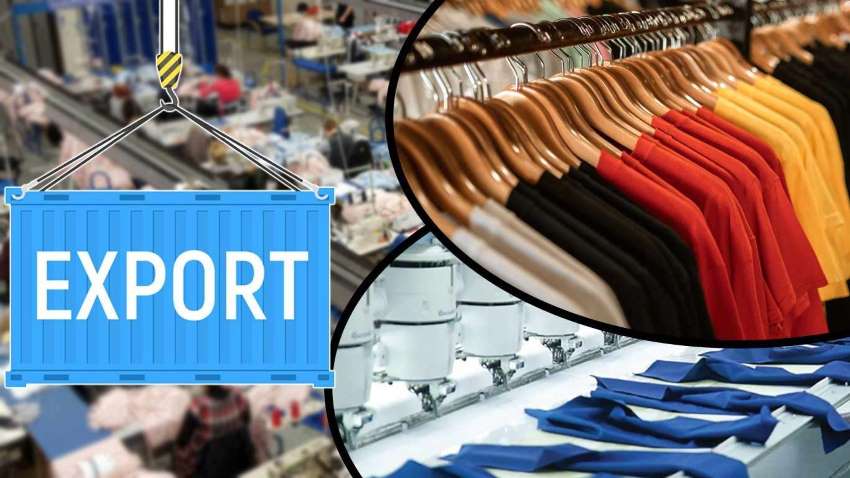
In global exports of textile and apparel in 2013, India occupied second position in textile exports with 7-per cent share but ranked sixth in apparel exports with 3.7-per cent share. Overall, India held second position with 5.2-per cent share of global exports. India has potential to increase its export share from present 5 per cent to 8 per cent by 2020, he opined.
In his address Lathia observed that with increasing manufacturing costs in China and issues of social compliance in Bangladesh, global buyers are looking towards sourcing destinations with costs lower than China and reliability higher than Bangladesh. Lathia said, in this scenario India stands to gain most in the long run with abundant availability of skilled manpower and a bigger and well integrated supply chain from fiber to finished product.
Lathia said, the total domestic and export market of India will grow at a CAGR of 12 per cent from present $108 billion to $243 billion in 2020 and investments worth $100 billion will be required for textile and apparel manufacturing in India to support this growth. Besides the capacity addition by existing players, India envisage the entry of major international players, in manufacturing of textile and apparel in India. Yarn manufacturing, weaving and processing are expected to attract-75 per cent of the investments.
India has the potential to become manufacturing hub in the textile machinery, with abundance of skilled labour, low cost availability of natural resources, research and development in order to ensure modern and innovative technologies are developed in the country. With a growing market and manufacturing scenario in India, textile machinery manufacturing in India will become more attractive and beneficial, Lathia concluded.
Supported by Heavy Industries Department, Ministry of Textiles, NSIC among other domestic and international organizers, India ITME-2016 is much anticipated and looked forward event by the industry.
Friday, 22 January 2016 05:52