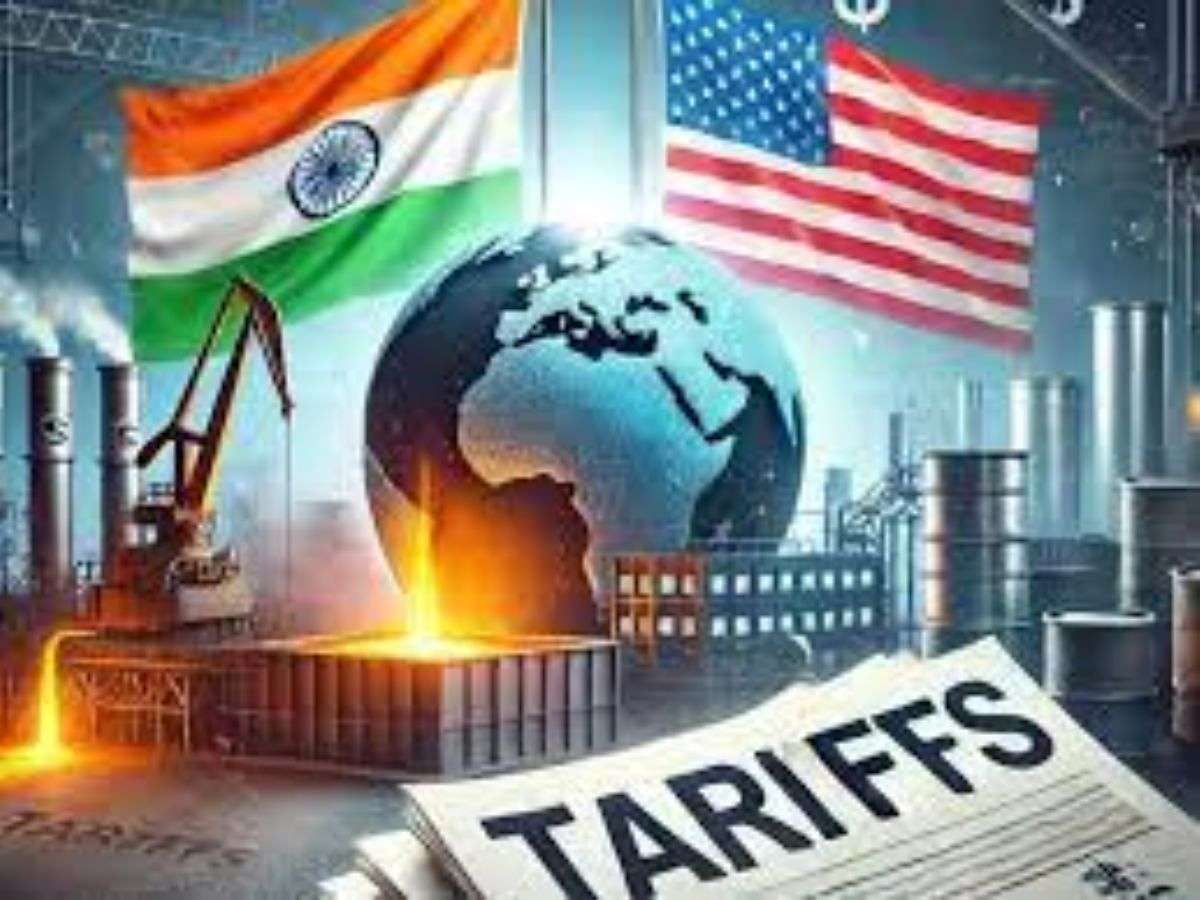
India and the United States have entered the final phase of negotiations on an interim bilateral trade agreement, with high-level discussions scheduled this week as both sides work to conclude a deal that could reshape market access for several export-oriented sectors, including textiles, apparel and home furnishings. Indian negotiators are seeking preferential tariff treatment over competing sourcing hubs such as Vietnam and other ASEAN nations, a move that could strengthen India's position in the US sourcing market.
For the textile and apparel industry, the proposed agreement comes at a crucial time as global brands continue to diversify supply chains and reduce dependence on single-country sourcing. Industry stakeholders expect improved tariff certainty and smoother market access to support higher exports of garments, cotton textiles, man-made fibre products and home textiles to the world's largest consumer market. The US remains one of India's largest destinations for textile and apparel exports.
Final negotiations gain momentum
Jamieson Greer, US Trade Representative is visiting New Delhi for ministerial-level talks with Piyush Goyal, Commerce and Industry Minister with both governments indicating that substantial progress has already been made on the proposed pact. India is pressing for an agreement before temporary US tariff measures expire in July, while also seeking assurances against future tariff increases.
India-US trade framework
India and the US have been negotiating an interim trade arrangement since agreeing on a framework earlier this year, with the broader objective of expanding bilateral trade and investment. Discussions cover market access, customs facilitation, non-tariff barriers and economic cooperation. The proposed pact is part of India's wider strategy to expand preferential trade access through agreements with major global markets and strengthen its manufacturing and export competitiveness.