India may impose an anti-dumping duty on imports of acrylic fiber from the European Union, China, Belarus, Ukraine and Peru. There are evidences of dumping of acrylic fiber from these regions. Anti-dumping duties are levied to provide a level playing field to local industry by guarding against cheap below cost imports.
Countries dump products in India as it is one of the most attractive markets for global producers due to its large middle-class population. Imposition of anti-dumping duty is permissible under the WTO regime. Both India and China are members of the Geneva-based body.
WTO does not regulate the actions of companies engaged in dumping. Instead, it focuses on how countries can or cannot react to dumping. The duty is aimed at ensuring fair trading practices and creating a level-playing field for domestic producers vis-a- vis foreign producers and exporters.
An anti-dumping duty is a protectionist tariff on foreign imports that it believes are priced below fair market value. Dumping is a process where a company exports a product at a price lower than the price it normally charges on its own home market. To protect local businesses and markets, many countries impose stiff duties on products they believe are being dumped in their market.





India contemplates duty on acrylic fiber imports
- 1
- 2
- 3
- 4
- 5
- 6
- 7
- 8
- 9
- 10
From Runway to Atmosphere: When clothes begin to clean the air

At Paris Fashion Week, Stella McCartney once again blurred the line between fashion and science. Her latest innovation, denim that... Read more
Obsessed with Talent: How a ‘Cultural Revolution’ is powering Trussardi’s fashio…

The inaugural 'Italian Fashion Days in India' (Le Giornate della Moda Italiana nel Mondo) officially kicked off yesterday, October 28,... Read more
Margins, Machines, and Misunderstandings: Inside the global garment shake-up and…

The global garment industry, long a symbol of globalization’s success and excess is entering an age of disruption. Traditional business... Read more
New markets, new factories, India’s apparel industry looks to Africa

In the quiet industrial corridors of Ethiopia’s Hawassa Industrial Park, rows of sewing machines with local workers assemble garments destined... Read more
From Imports to Innovation: India’s bid to lead the carbon fibre economy

A new report highlights the global carbon fibre and yarn market growing and how. The report by Thryve Research projects... Read more
ITMF Annual Conference & Annual Convention: Addressing industry challenges a…
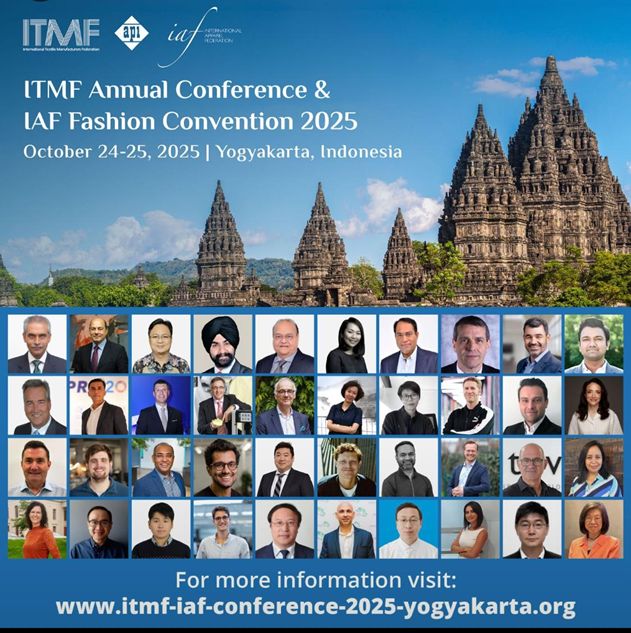
This year, the ITMF Annual Conference & Annual Convention will be held from October 24-25, 2025 at Yogyakarta. Co-hosted by the... Read more
China’s Carbon Ambition: From industrial giant to climate market leader
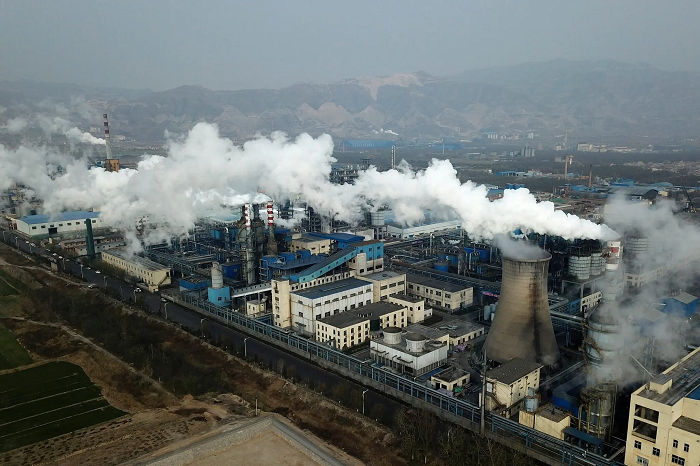
When Beijing announced plans to enter the international carbon markets this October, the message was unmistakable: China no longer intends... Read more
Fashion’s double bind, innovation meets the economics of convenience

“We need to make fashion for worms. Fashion that can decompose in the soil.” When Arizona Muse, model and environmental... Read more
From satin to smart textiles, the rise of FDY in a changing market

In the complex world of polyester filament yarns, where POY (Partially Oriented Yarn) is the foundation and DTY (Drawn Textured... Read more
Polyester’s reign vs. Lyocell’s strain, can green fibers survive?
The recent job cuts announced by Lenzing, a pioneer in sustainable cellulosic fibers, are a stark reflection of the complex... Read more

