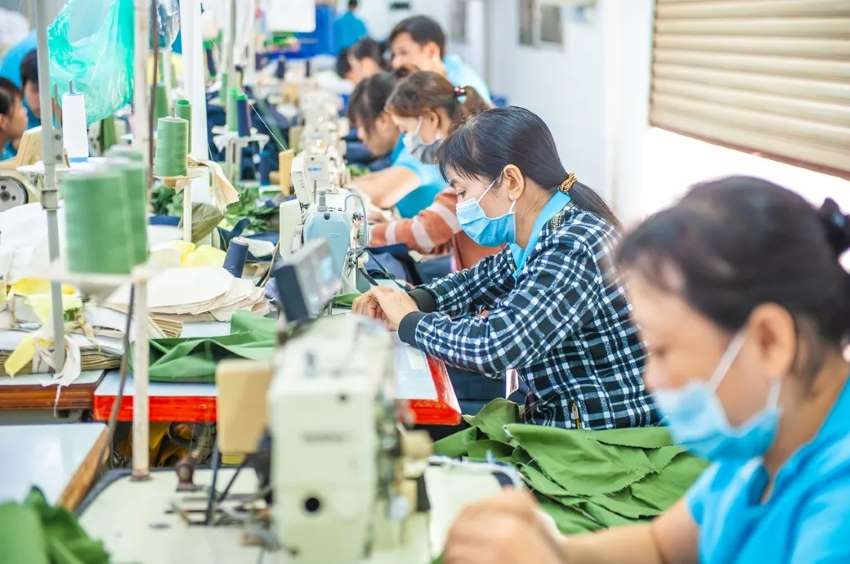
The International Finance Corporation (IFC) has undertaken an initiative aimed at supporting Pakistan’s textile industry’s efforts to reduce energy consumption with a view to improving sustainability. This will help Pakistan’s textile industry, especially the clothing sector, to resolve energy-related and environmental issues. Advisory services will be provided to the textile sector in Pakistan. Seminars and training workshops for industry stakeholders will be held for letting them know how to reduce energy consumption and achieve sustainability. The IFC has already done this in Bangladesh.
Another issue that remains to be tackled is how to enhance the productivity of the industry. Small and medium entrepreneurs, who account for 95 per cent of the garment industry, need upgraded technology. Pakistan garment sector’s productivity is at least 30 per cent less than that of Bangladesh.
Marketing is another problem faced by the country’s textile and garment sector. More investment and a well-conceived and well-planned marketing strategy are needed to showcase products globally. In this respect Pakistan is far behind Bangladesh and other competitors such as India and China.
Currently, Pakistan’s textile and clothing industry delivers 57 per cent of the country’s total exports. But raw cotton, cotton yarn and cotton cloth exports have shown negative growth of between 18 per cent and 62 per cent.

- 1
- 2
- 3
- 4
- 5
- 6
- 7
- 8
- 9
- 10
Vietnam wins, India slips as US apparel sourcing undergoes massive reset
A trade realignment is transforming the global apparel market, yet India’s manufacturing has stalled at the starting line. Newly released... Read more
US clothing prices rise faster than inflation, reshaping fashion retail strategy
After nearly two years of heavy discounting, inventory liquidation, and margin decline, apparel prices in the US are now rising... Read more
From gym to boardroom performance fabrics are redefining apparel demand
The global apparel industry has entered a new phase of evolution as the distinction between sportswear and everyday fashion continues... Read more
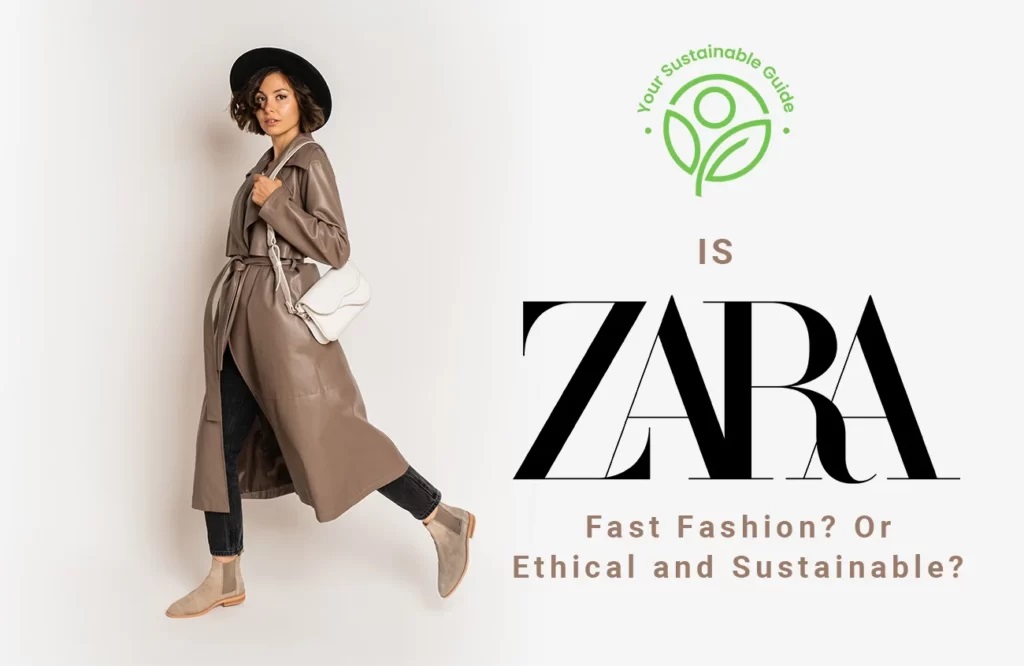
Digital Dominance Redefined: Zara moves past H&M in $100 bn fast fashion bat…
The global fast-fashion sector has reached a inflection point in 2026 where the battleground is no longer only store shelves... Read more
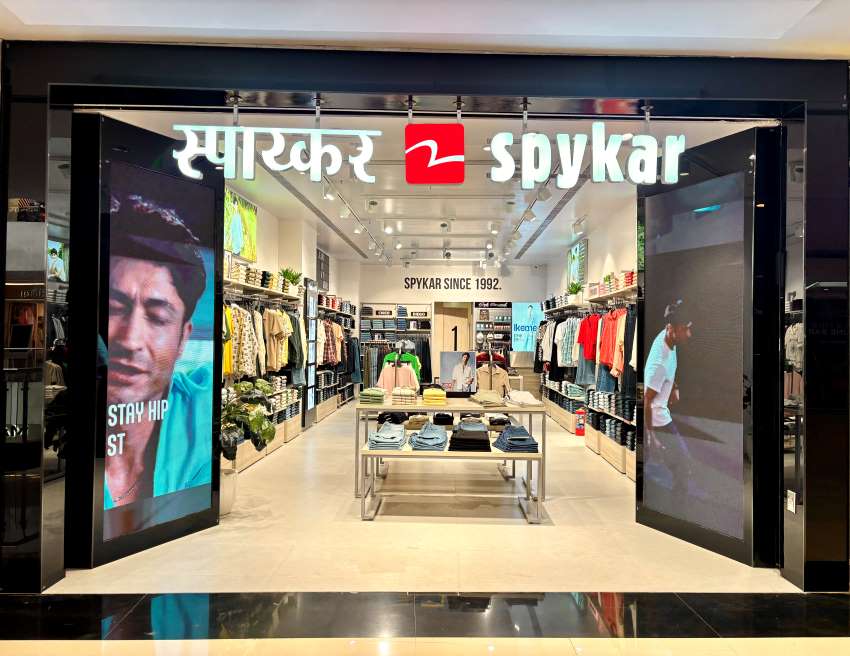
Spykar accelerates offline expansion: plans 100 new stores across India
A titan of the Indian denim-first fashion scene, Spykar has officially unveiled an aggressive retail growth strategy. As consumer demand... Read more
The Inventory Illusion: Rethinking the Zara benchmark in a volatile retail era
For over a decade, the global fashion industry has treated the Zara playbook as the gold standard of inventory efficiency.... Read more
Retail Without Retail: How Walmart’s depot network is turning space into logisti…
Walmart is fundamentally rewriting the commercial real estate and retail logistics playbook with the rise of its ‘Walmart Depots’ a... Read more
Global textile regulation tightens, forcing realignment across fashion supply ch…
Global fashion and consumer goods supply chains are entering a decisive regulatory transition as Extended Producer Responsibility (EPR) frameworks for... Read more
Luxury’s new power axis, US dominance, China reset, Gulf surge
As the post-China luxury order takes shape, the US is emerging as the industry’s most dependable growth engine, while Japan,... Read more
India’s $9 Billion Landfill Blind Spot How trashed clothes hold the key to globa…
A massive economic windfall is sitting uncollected in India’s landfills, and the key to unlocking it lies in rethinking how... Read more