GSP has not really helped Sri Lanka enhance its exports to the EU. Production and labor costs remain high compared to competitors’, and it is doubtful if the country can meet its goal of doubling exports by 2020.
Bangladesh, for instance, has moved ahead in textile and apparel production in the last few years. Bangladesh accounts for 6.4 per cent of global clothing exports compared with Sri Lanka's 1.2 per cent. The EU, which is Sri Lanka's biggest export destination, absorbing some 36 per cent of total shipments, reinstated the country into the GSP Plus program in mid-May, removing import tariffs on more than 6,000 products, including clothing.
Sri Lanka was dropped from GSP Plus in 2010 for human rights violations, but remained in the less-favorable GSP program, under which its exports were taxed at 9.6 per cent. Wages in Sri Lanka are typically higher than in Bangladesh and Vietnam, making the country better suited to producing high-end garments such as swimwear, trousers and underwear, including lingerie for top brands such as Victoria's Secret. Sri Lankan labor laws also limit factory workers to 57.5 hours per week, with fixed weekly holidays. This compares with Bangladesh's working limit of 60 hours and Vietnam's 64 hours.

- 1
- 2
- 3
- 4
- 5
- 6
- 7
- 8
- 9
- 10
The Alchemy of Adornment: Decoding the ‘Runway Trends’ and ‘Sartorial Shifts’ of…
As the global luxury sector navigates shifting economic currents, Milan continues to solidify its role as the definitive compass for... Read more
Engineered to Perform: How bio-based textiles are rewiring the $1.15 trillion at…
The global athleisure industry is entering a reset as the next phase of competition shifts from celebrity endorsements and logo... Read more
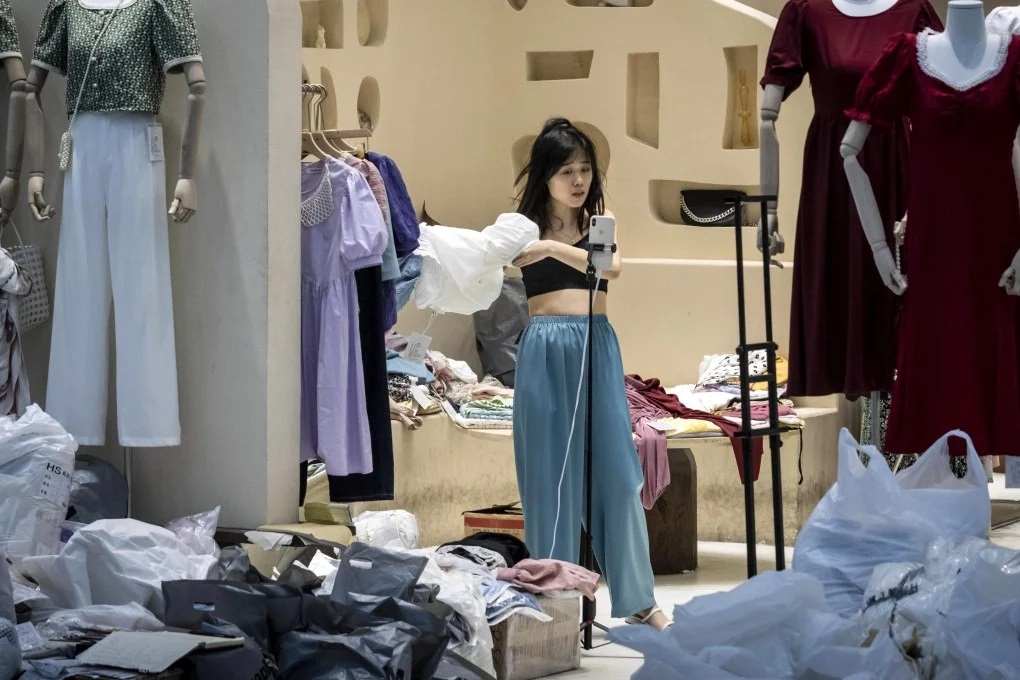
China’s inward turn, domestic demand is rewriting the export model
China is undergoing one of its most consequential economic recalibrations in decades, driven by geopolitical instability, rising Western protectionism, and... Read more
Why Shein sees itself as a technology company, not a fashion brand
The modern fashion industry has traditionally been defined by creativity, merchandising expertise and global sourcing networks. Yet few companies have... Read more
India’s textile sector turns crisis into competitive advantage
India’s textile and apparel industry has emerged from one of the most turbulent periods in its recent history, transforming a... Read more
India’s Export Divide: Textile mills advance, apparel makers face global headwin…
India’s textile and apparel (T&A) sector entered FY2027 with a striking internal contradiction. While the country’s overall merchandise exports increased... Read more
China’s inward turn, domestic demand is rewriting the export model
China is undergoing one of its most consequential economic recalibrations in decades, driven by geopolitical instability, rising Western protectionism, and... Read more
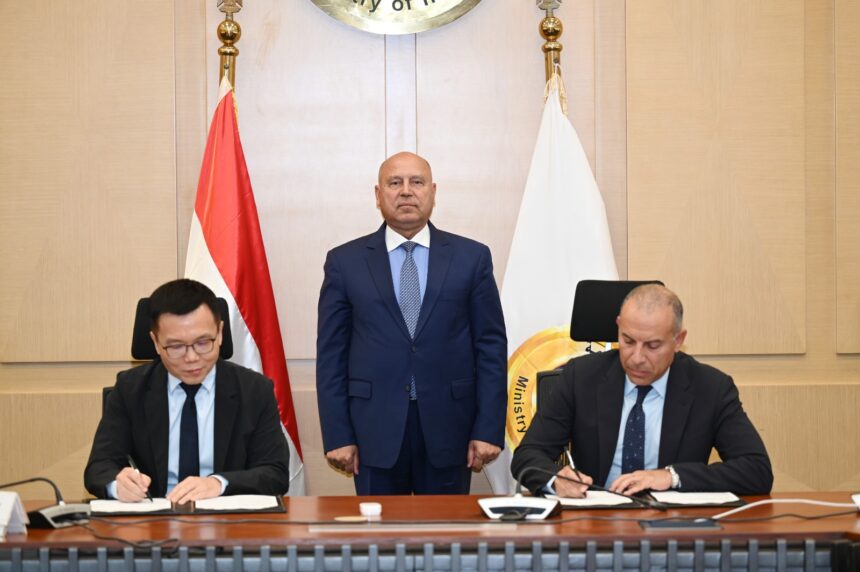
Egypt bets on a $2 bn green textile city to become Europe’s next sourcing hub
Egypt is making a decisive play to become one of the world's most important apparel manufacturing destinations after securing a... Read more
EU textile imports hit $295.66 bn as price wars mask manufacturing stress
The European Union’s textile and apparel imports grew to $295.66 billion in 2025, a 9.4 per cent year-on-year increase from... Read more
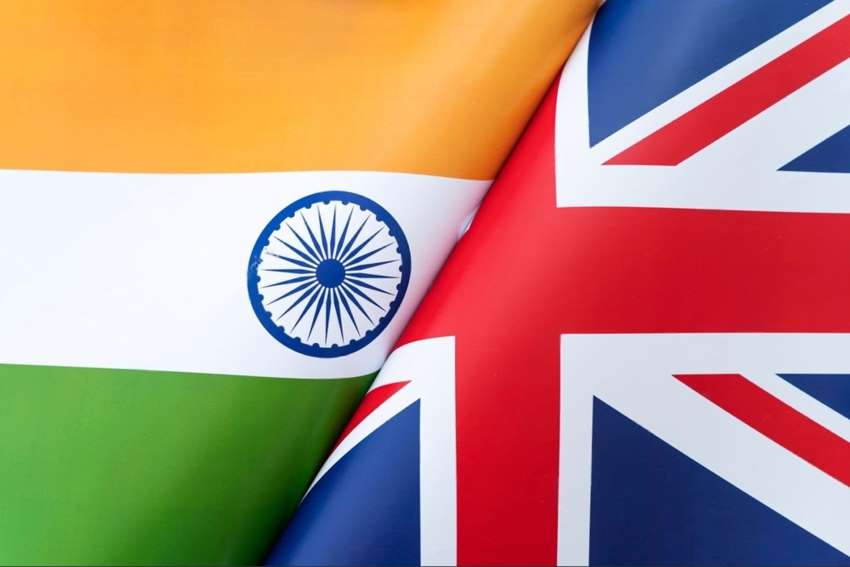
Landmark India-UK trade pact to supercharge textile export margins
The long-awaited India-UK Comprehensive Economic and Trade Agreement (CETA) is officially scheduled to commence on July 15, 2026. This breakthrough... Read more