More than 50 global retailers are planning to enter India within the next six months. Brands such as Korres, Migato, Evisu, Wallstreet English, Pasta Mania, Lush Addiction, Melting Pot and Monnalisa, many from the US and Singapore, are expected to open a total of 3000 stores.
These small and mid-sized brands are looking to cash in on the open retail policy and the huge gap in the market for branded products. Of the incoming brands, 18 are in the food and beverage space followed by 13 each in apparel and lifestyle products and education products. They have their eye mostly on smaller, untapped markets within the country.
As retailers struggle in their home markets, India could be the next bright spot for the industry, as it has allowed 100 per cent foreign ownership in business-to-business e-commerce businesses and for retailers that sell food products manufactured in India. The efforts to boost cashless payments and reform indirect taxation with a nationwide goods and services tax are also expected to accelerate adoption of modern retail.
The first retail wave happened a decade ago when bigger retailers and brands entered India. Earlier this month, India replaced China as the most promising retail market in the world.
- 1
- 2
- 3
- 4
- 5
- 6
- 7
- 8
- 9
- 10
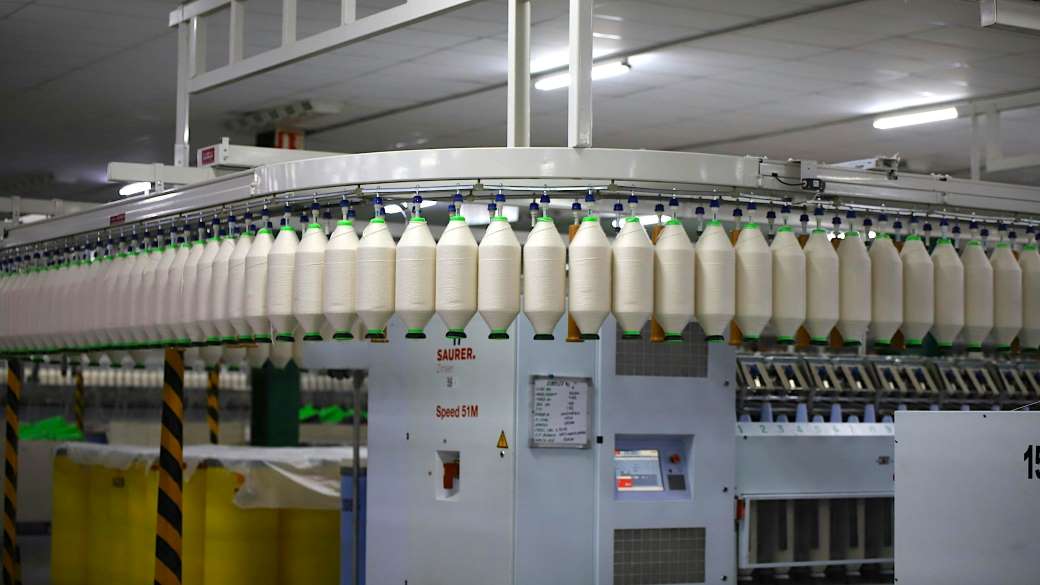
Polyester volatility redraws India’s textile industry competitive map across Asi…
India’s synthetic textile industry has entered a phase of cost instability as polyester staple fibre (PSF) prices rise across domestic... Read more
The £7 Billion Question: Who pays for fashion’s ‘free rental’ habit?
The global fashion industry is facing an uncomfortable paradox: its most valuable customers may also be its most destructive. A... Read more
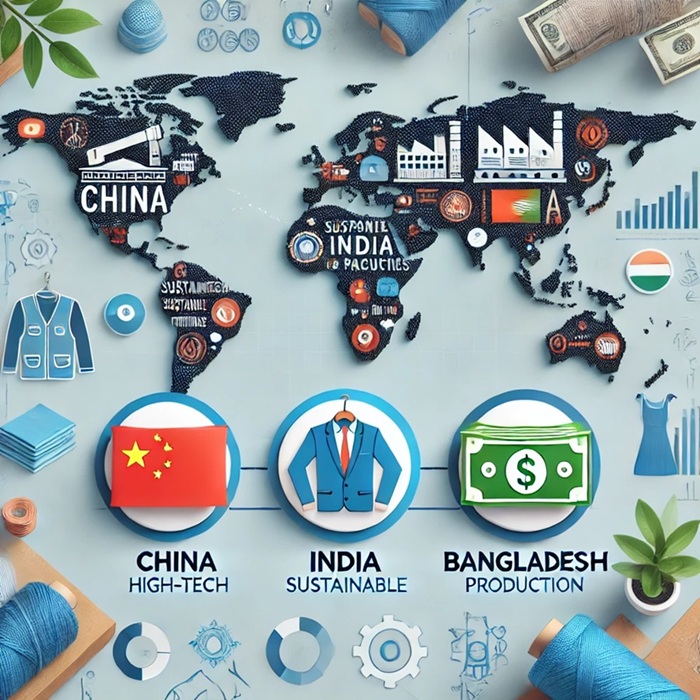
India, China Bangladesh face fresh headwinds as global apparel markets rebalance
Global apparel trade is entering a more uneven recovery phase, with demand growth persisting but losing uniform momentum across major... Read more
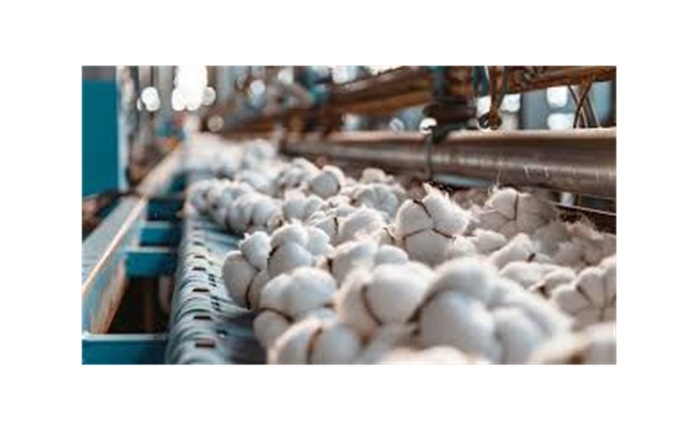
Global cotton enters a deficit year in 2026 as supply drop meets logistics risk
The global cotton economy has entered a fragile and sensitive phase. Early projections for the 2026-27 season suggest that world... Read more
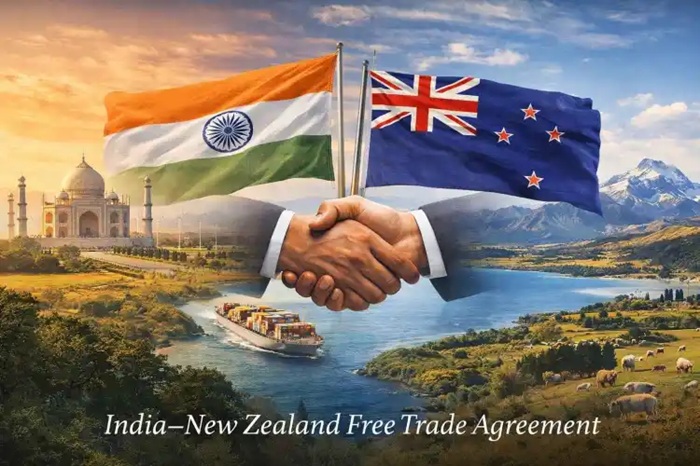
India’s textile trade gets a Pacific push as New Zealand FTA removes tariff barr…
India and New Zealand have inked a ‘once-in-a-generation’ Free Trade Agreement (FTA), one that will have a profound impact on... Read more
Lululemon’s world-first nylon circularity push signals a new apparel arms race
The global apparel industry’s circularity narrative is entering a more technically demanding phase. Polyester recycling once the flagship of sustainable... Read more
Beyond the DTC Rush: Levi’s hybrid channel strategy sets a new retail benchmark
The global apparel sector is entering a phase where channel strategy is no longer a tactical lever but a core... Read more
The New Rules of Resale: EPR turning secondhand into fashion’s strategic growth …
The global fashion industry is facing a decisive regulatory and commercial reset. What began as a sustainability narrative around reuse... Read more
The 2027 Mandate: Why denim’s future hinges on verifiable data
For decades, the global denim industry has relied on a narrative of durability, heritage, and authenticity. That narrative is now... Read more
Europe’s textile core unravels as costs, imports and policy pressure bite
Europe’s textile and apparel sector, long seen as a benchmark for craftsmanship and industrial depth, is slipping into a prolonged... Read more