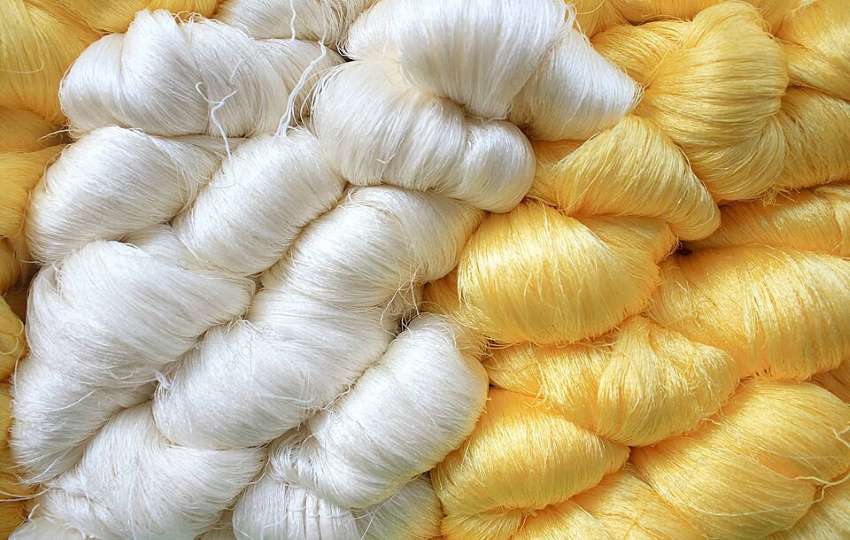
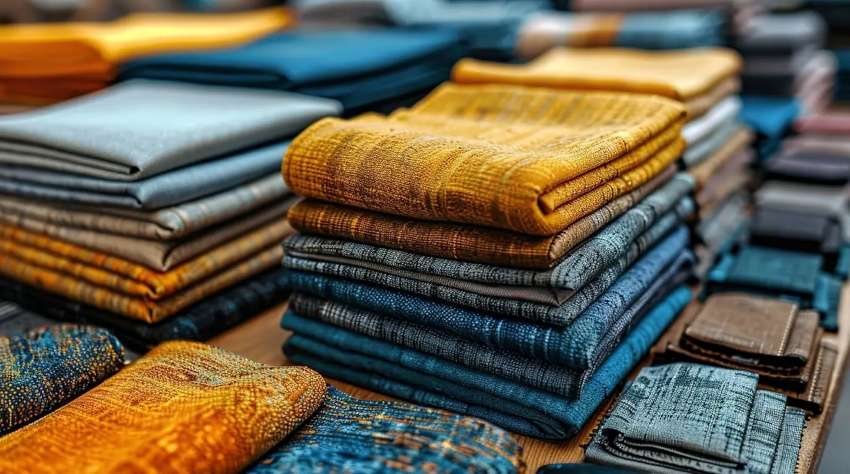
Following the European Union’s (EU) decision not to suspend Pakistan’s ‘Generalised Scheme of Preferences plus’ (GSP+), status despite concerns about its human rights record Pakistan’s textile producers will continue to benefit from EU preferential tariffs. GSP+ has been beneficial to Pakistan’s textile industry - textiles and clothing account for around 75 per cent of Pakistan’s exports to the EU. The GSP+ benefits allow 80 per cent of Pakistani textile and clothing imports to enter the EU at preferential tariffs. Items include table and bed linen, as well as many fabric lines and clothing products.
There were concerns that the country could lose its EU trading privileges after the EU ambassador to Pakistan, Jean-Francois Cautain, was quoted last year as saying such a move could not be ruled out. Countries enjoying GSP+ status must comply with 27 international conventions, covering human and labour rights, environmental protection and good governance.

- 1
- 2
- 3
- 4
- 5
- 6
- 7
- 8
- 9
- 10
Corporate fashion adopts reverse logistics to unlock the $367 bn resale market
Global fashion retailers are rapidly changing their business models around resale, repair, and textile recovery as the secondhand apparel market... Read more
Tariff Shock 2026: Forced-labor enforcement is repricing global fashion trade
Washington’s latest trade intervention signals a break in the global apparel sourcing patterns. The Office of the United States Trade... Read more
Circular Samvaad 2.0 aims to transform Indian textiles from linear waste to glob…
On the occasion of World Environment Day, industry leaders, policymakers, and international experts gathered in the capital yesterday for Circular... Read more
From Sentiment to Sustainability: How Mumbai’s ‘Mega Post Textile Waste Initiat…
Walk into almost any Indian household, and you will find wardrobes harboring clothes that haven’t been worn in years. They... Read more
CMAI launches new initiative to combat waste and formalize textile recovery acro…
In a landmark move to address the mounting crisis of post-consumer textile waste, the Clothing Manufacturers Association of India (CMAI)... Read more
Trends-Fabrics (Denim-Kidswear) trends for Spring/Summer 2026-27 by Drapers
For the Spring/Summer 2026-27 season, the kidswear denim market is defined by a shift toward lightweight comfort, playful aesthetics, and... Read more
Cost spiral across fibers, chemicals and logistics squeezes India’s apparel expo…
India’s textile manufacturing sector has entered one of its most financially strained periods in recent years as increasing fiber, yarn,... Read more
How India’s textile recycling network is becoming a global ESG blueprint
India’s textile industry is mounting an aggressive defence against growing international criticism that developing economies are becoming dumping grounds for... Read more
Cotton trade under pressure as war risks and tariff chaos raise apparel costs
The global textile and apparel industry is entering a high-stakes period of volatility as the ongoing Iran war creates a... Read more
Copenhagen GFA summit 2026 signals reset in global apparel finance
" " The global apparel, textile, and fiber manufacturing industries are entering a decisive phase of financial and operational realignment, as... Read more