Brands like DKNY and Donna Karan have pledged to ban fur from their collections. They believe killing animals to make fashion doesn’t feel right. However, designers like Fendi and Burberry still use fur on the catwalk.
Going fur free has become a major move among brands and retailers seeking to advance their sustainability agendas. While animal welfare continues to become increasingly relevant among major apparel players, and consumers continue to demand more ethical shopping options, industry members are opting to omit angora, exotic skins and fur from their products.
Gucci has omitted fur from its entire product value chain. Gucci will no longer use coyote, dog, fox or any other animals that are bred or caught for fur. VF’s brands, including The North Face and Timberland, will no longer use angora, exotic leather or fur in their apparel and footwear products.
Alexa Chung, the UK model and designer known for her cozy sweaters, silky viscose dresses and vegan faux-fur outerwear, will not include angora or exotic skins in the collection’s apparel, accessories and footwear items. Michael Kors, which acquired Jimmy Choo this year, will curb the use of animal fur in its products. Any existing fur products manufactured will be phased out by the end of next December.





DKNY, Donna Karan to go fur-free
- 1
- 2
- 3
- 4
- 5
- 6
- 7
- 8
- 9
- 10
EURATEX Director General pitches "New Business Model" at textile confe…
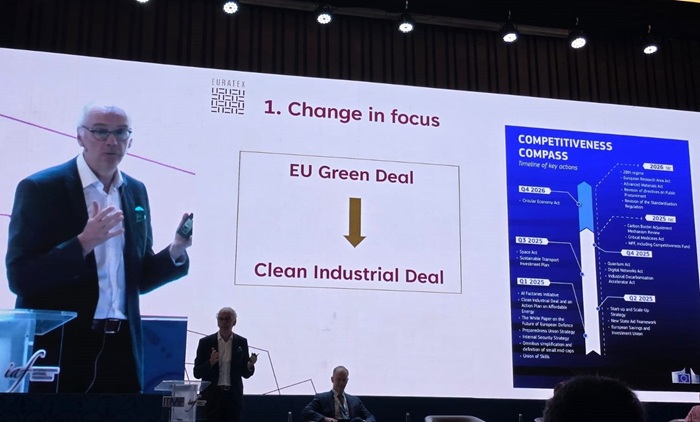
The global textile and apparel value chain is at a critical juncture, requiring a fundamental shift in its operating philosophy.... Read more
From Runway to Atmosphere: When clothes begin to clean the air

At Paris Fashion Week, Stella McCartney once again blurred the line between fashion and science. Her latest innovation, denim that... Read more
Obsessed with Talent: How a ‘Cultural Revolution’ is powering Trussardi’s fashio…
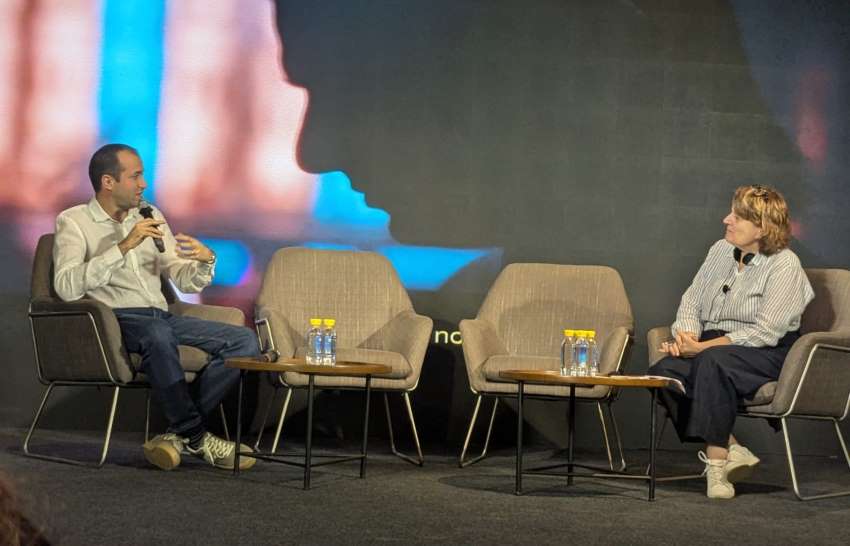
The inaugural 'Italian Fashion Days in India' (Le Giornate della Moda Italiana nel Mondo) officially kicked off yesterday, October 28,... Read more
Global apparel trade moderates in 2025 as Asian exports weaken, Wazir Advisors r…

The global apparel trade continues to reflect the delicate balance between recovery and restraint, as revealed in the October 2025... Read more
Margins, Machines, and Misunderstandings: Inside the global garment shake-up and…

The global garment industry, long a symbol of globalization’s success and excess is entering an age of disruption. Traditional business... Read more
New markets, new factories, India’s apparel industry looks to Africa

In the quiet industrial corridors of Ethiopia’s Hawassa Industrial Park, rows of sewing machines with local workers assemble garments destined... Read more
From Imports to Innovation: India’s bid to lead the carbon fibre economy

A new report highlights the global carbon fibre and yarn market growing and how. The report by Thryve Research projects... Read more
ITMF Annual Conference & Annual Convention: Addressing industry challenges a…
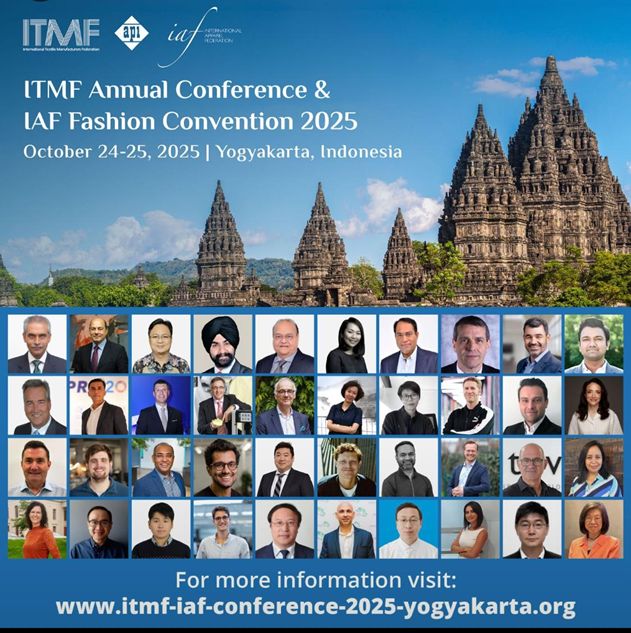
This year, the ITMF Annual Conference & Annual Convention will be held from October 24-25, 2025 at Yogyakarta. Co-hosted by the... Read more
China’s Carbon Ambition: From industrial giant to climate market leader

When Beijing announced plans to enter the international carbon markets this October, the message was unmistakable: China no longer intends... Read more
Fashion’s double bind, innovation meets the economics of convenience
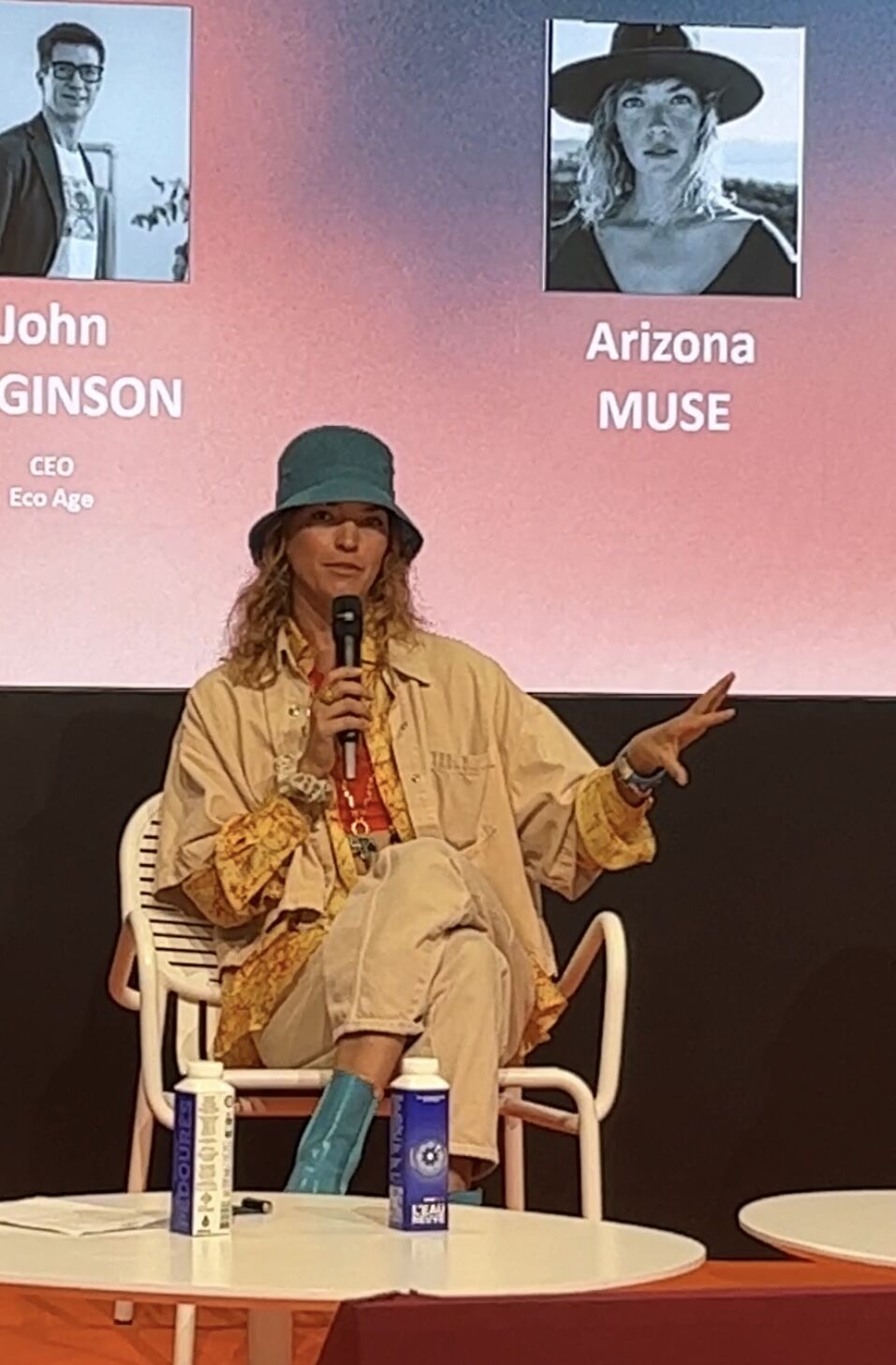
“We need to make fashion for worms. Fashion that can decompose in the soil.” When Arizona Muse, model and environmental... Read more

