In 2016, four zones—China, Mediterranean, SAARC and ASEAN—accounted for over 86 per cent of total extra-EU textile and clothing imports.EU-28 imports originating from these groupings primarily related to clothing goods.
The leading position of China as the main supplier of textiles and apparel to the EU has continued to be eroded in 2016 by the increasingly vigorous entry of other production zones. Undeniably, the main beneficiary of this was the SAARC zone, which has grown slowly but steadily since 2010.
In terms of products, China prevailed as the main supplier of woven garments to EU last year. However, China’s share continued to decline to the benefit of South Asian and Mediterranean countries. Concerning imports of knitted garments, China was overtaken by the SAARC zone.
Compared to last year, EU exports’ shares remained stable for the four main defined groupings NAFTA, EFTA, the Mediterranean countries and the group of autonomous countries. These four groups accounted for 58 per cent of extra-EU textile and clothing exports in 2016.
Woven fabrics were the major textiles exported by the EU. The NAFTA zone and the Mediterranean countries were the biggest purchasers of textile goods, while EFTA and NAFTA areas made up the two main buyers of clothing articles.





China loses export share to EU
- 1
- 2
- 3
- 4
- 5
- 6
- 7
- 8
- 9
- 10
Margins, Machines, and Misunderstandings: Inside the global garment shake-up and…

The global garment industry, long a symbol of globalization’s success and excess is entering an age of disruption. Traditional business... Read more
New markets, new factories, India’s apparel industry looks to Africa

In the quiet industrial corridors of Ethiopia’s Hawassa Industrial Park, rows of sewing machines with local workers assemble garments destined... Read more
From Imports to Innovation: India’s bid to lead the carbon fibre economy

A new report highlights the global carbon fibre and yarn market growing and how. The report by Thryve Research projects... Read more
ITMF Annual Conference & Annual Convention: Addressing industry challenges a…
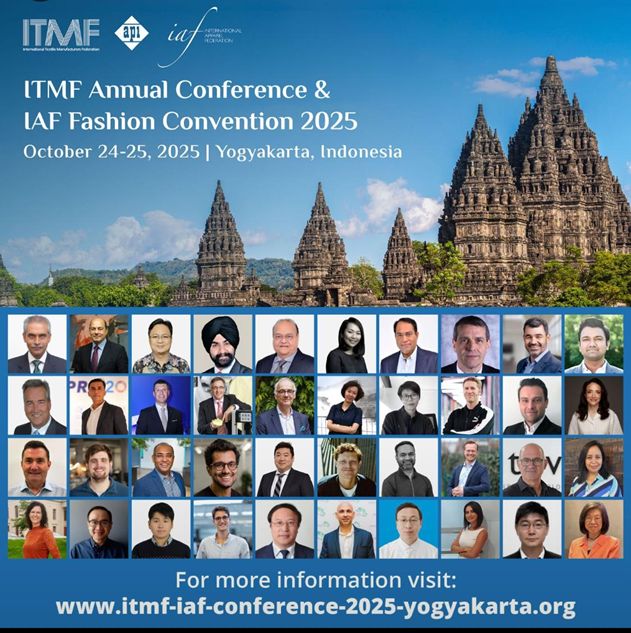
This year, the ITMF Annual Conference & Annual Convention will be held from October 24-25, 2025 at Yogyakarta. Co-hosted by the... Read more
China’s Carbon Ambition: From industrial giant to climate market leader
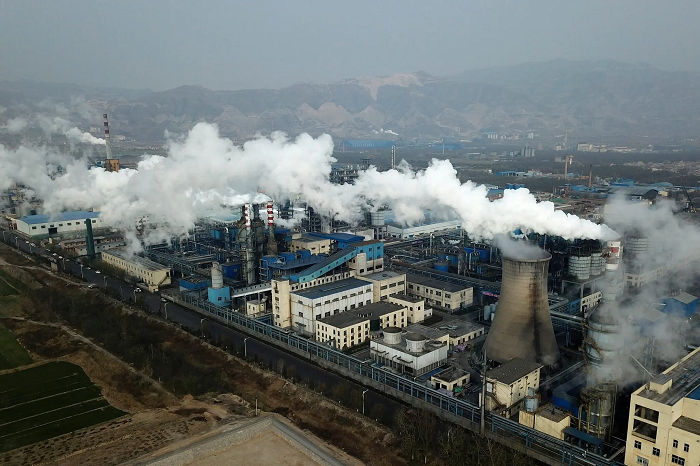
When Beijing announced plans to enter the international carbon markets this October, the message was unmistakable: China no longer intends... Read more
Fashion’s double bind, innovation meets the economics of convenience
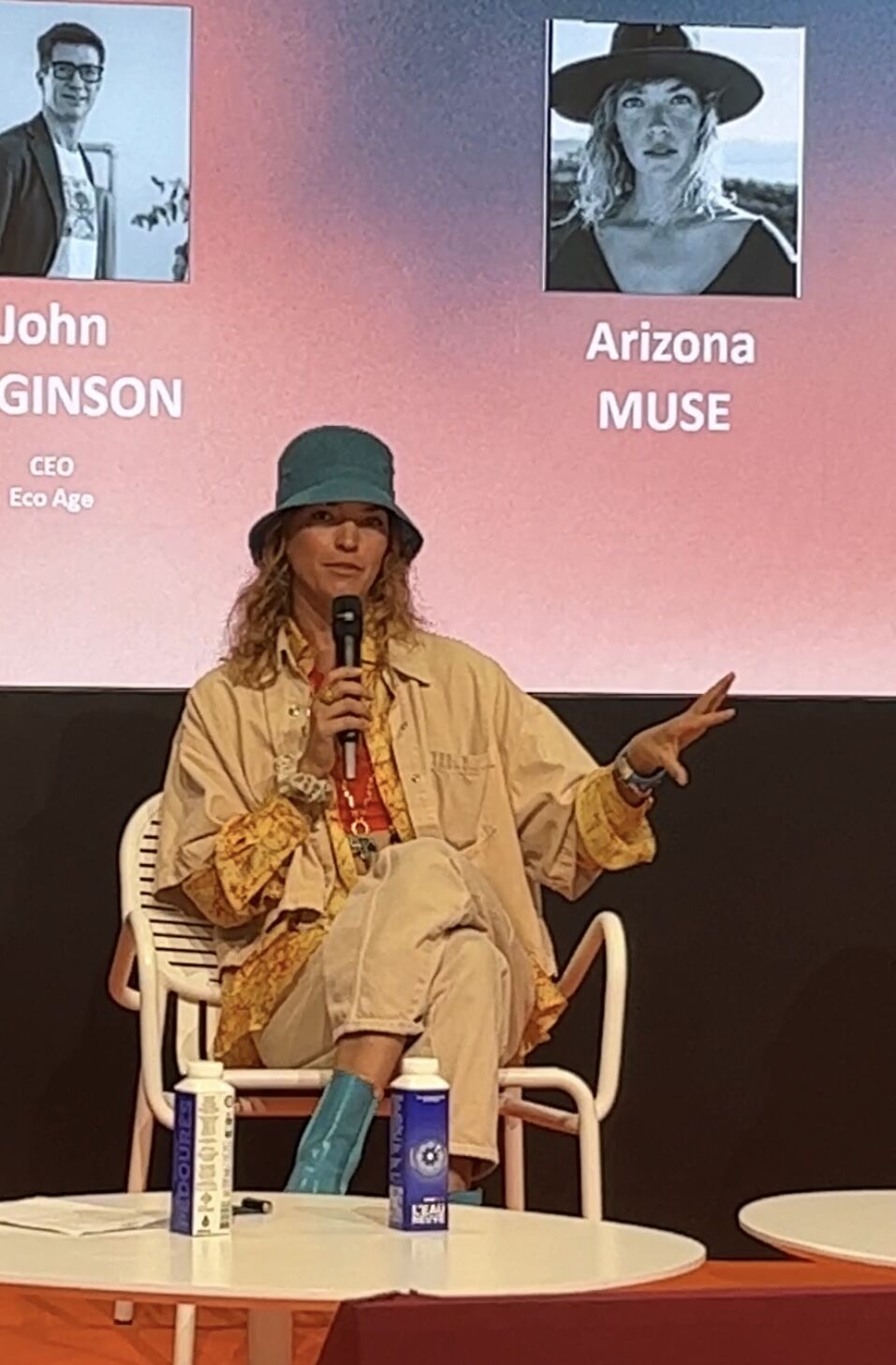
“We need to make fashion for worms. Fashion that can decompose in the soil.” When Arizona Muse, model and environmental... Read more
From satin to smart textiles, the rise of FDY in a changing market

In the complex world of polyester filament yarns, where POY (Partially Oriented Yarn) is the foundation and DTY (Drawn Textured... Read more
Polyester’s reign vs. Lyocell’s strain, can green fibers survive?
The recent job cuts announced by Lenzing, a pioneer in sustainable cellulosic fibers, are a stark reflection of the complex... Read more
Indian Textile and Apparel Exports Hit Hard in September: As US tariffs take hol…

The Indian textile and apparel industry has shown the first clear signs of being impacted by the new US tariffs,... Read more
Fast, cheap, unstoppable, Shein shockwave hits Germany’s fashion retial

In a country known for its deep-rooted retail traditions, discerning shoppers, and a growing emphasis on sustainability, the rise of... Read more

