Brands are in a race to evolve their supply chains and manufacturing technologies in order to get new products to the market faster.Brands like Nike and Adidas have made moves to increase speed to market. They have shed the old model in which new shoe styles could take up to 18 months to crawl from conception to store shelves.
These efforts have led to a huge cut in supply chain lead times, reducing the chance of having excessive, slow-moving inventory and increasing sportswear makers' odds of keeping up with the latest trends. That could add an additional 15 per cent to top line growth.
So almost 20 per cent of Nike’s and Adidas' production may be automated by fiscal 2023. Innovations like digitized design, automated production, 3D printing could also increase their share gains.
After the supply chain changes take hold, almost no small brand or private label footwear maker for the foreseeable future will be able to offer comparable quality products to what Nike and Adidas have at similar prices.
So major athletic wear brands are poised to offer better products.
Sales in the athletic wear industry may have a seven per cent annual global growth by 2021.





Brands in race to increase speed to market
- 1
- 2
- 3
- 4
- 5
- 6
- 7
- 8
- 9
- 10
Obsessed with Talent: How a ‘Cultural Revolution’ is powering Trussardi’s fashio…

The inaugural 'Italian Fashion Days in India' (Le Giornate della Moda Italiana nel Mondo) officially kicked off yesterday, October 28,... Read more
Margins, Machines, and Misunderstandings: Inside the global garment shake-up and…

The global garment industry, long a symbol of globalization’s success and excess is entering an age of disruption. Traditional business... Read more
New markets, new factories, India’s apparel industry looks to Africa

In the quiet industrial corridors of Ethiopia’s Hawassa Industrial Park, rows of sewing machines with local workers assemble garments destined... Read more
From Imports to Innovation: India’s bid to lead the carbon fibre economy

A new report highlights the global carbon fibre and yarn market growing and how. The report by Thryve Research projects... Read more
ITMF Annual Conference & Annual Convention: Addressing industry challenges a…
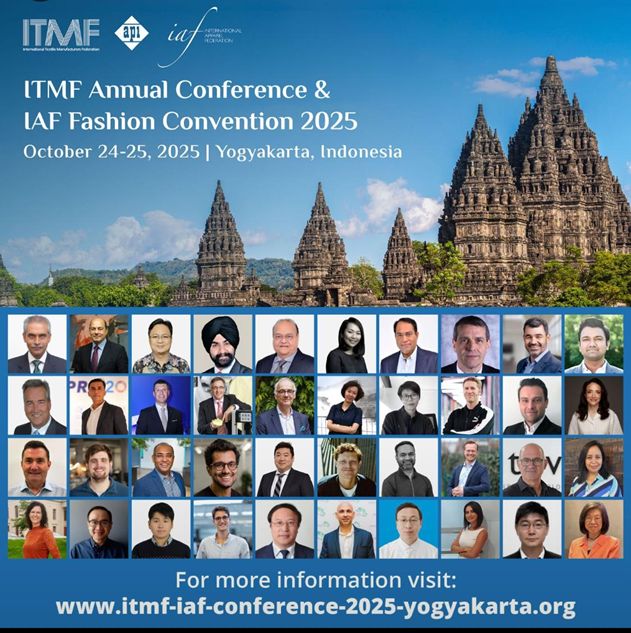
This year, the ITMF Annual Conference & Annual Convention will be held from October 24-25, 2025 at Yogyakarta. Co-hosted by the... Read more
China’s Carbon Ambition: From industrial giant to climate market leader
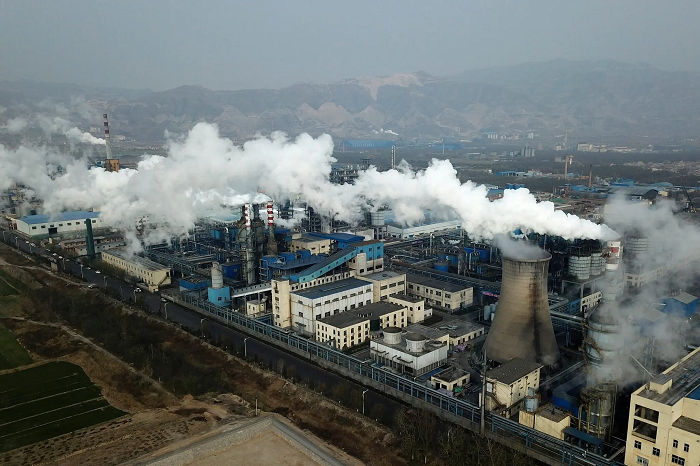
When Beijing announced plans to enter the international carbon markets this October, the message was unmistakable: China no longer intends... Read more
Fashion’s double bind, innovation meets the economics of convenience

“We need to make fashion for worms. Fashion that can decompose in the soil.” When Arizona Muse, model and environmental... Read more
From satin to smart textiles, the rise of FDY in a changing market

In the complex world of polyester filament yarns, where POY (Partially Oriented Yarn) is the foundation and DTY (Drawn Textured... Read more
Polyester’s reign vs. Lyocell’s strain, can green fibers survive?

The recent job cuts announced by Lenzing, a pioneer in sustainable cellulosic fibers, are a stark reflection of the complex... Read more
Indian Textile and Apparel Exports Hit Hard in September: As US tariffs take hol…

The Indian textile and apparel industry has shown the first clear signs of being impacted by the new US tariffs,... Read more

