FW
Welspun opens new facility in Gujarat
Welspun has opened a state-of-the-art plant in Gujarat. The Rs 150 crores facility will have unique capabilities of spun lace and needle punch lines which can manufacture multi-layer composites for various applications. This advanced and innovative technology will provide non-woven solutions for high-end industrial applications such as filtration, acoustics, automotive, fire safety, thermal insulation, vibration control, noise control, aerospace, defense and mass transportation. The initial capacity of the manufacturing unit will be 2,400 metric tons a year.
With this facility, Welspun has also invested in a wide range of finishing technologies including coating, laminating, dyeing, and printing to provide innovative solutions all under one roof. The new facility will enhance Welspun’s product offerings and provide cutting edge solutions in high growth areas such as industrial and defense applications.
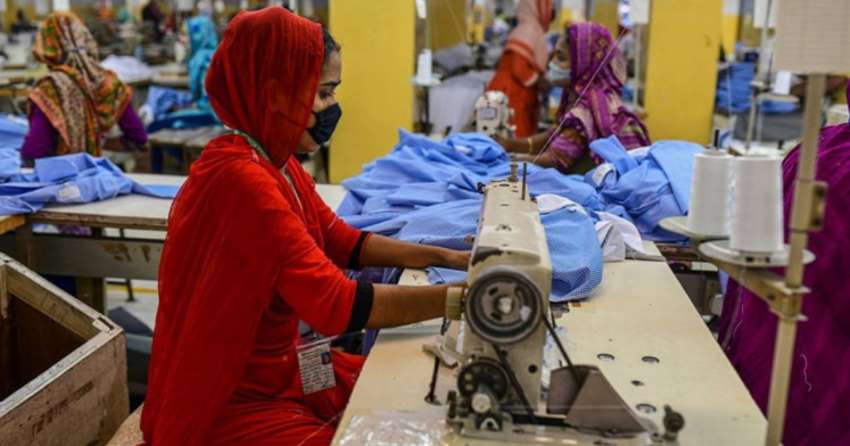
Welspun has also invested Rs 100 crores to set up a fresh state- of- the-art fully automated cut and sew unit in the made-ups segment with a capacity of 10 million units a year. The new initiatives are testimony to Welspun’s commitment in enhancing employment opportunities in the region, particularly for women. Welspun plans to expand its focus on branded and innovative products to become a two billion dollar company in four years, with 20 per cent revenue coming in from domestic sales.
US border tax may lower Vietnam’s exports
The border adjustment tax (BAT) imposed by the US may affect countries exporting goods to the US, including Vietnam. The aim of this tax is to increase revenues from imports and encourage firms to invest and produce domestically. America is Vietnam’s biggest market. Shipments to America made up nearly 22 per cent of Vietnam’s total exports last year, the highest in more than 10 years.
Vietnam’s revenue in export to the US was up nine per cent in 2016 over 2015. Apparel and footwear are the most important goods Vietnam exports to the US followed by mobile phones and accessories. Vietnam’s economic growth this year depends heavily on international trade. Rising prices of raw materials at the beginning of the year could make inroads into corporate profits as companies are unable to shift the burden of rising prices to domestic consumers if monetary policy is tightened to curb a recurrence of high inflation.
To deal with BAT, exporting countries are expected to use monetary policy to weaken their currencies against the US dollar to maintain the competitiveness of their exports. However, Vietnam is unlikely to devalue the currency much since it could pile pressure on inflation. As a consequence, Vietnamese products may lose their competitiveness in international markets.
Speed limits needed in fashion industry
Fast fashion has resulted in mindless consumerism and environmental hazards, say designers. The fashion industry was estimated at over Rs 720 crores in 2015. With two major fashion weeks happening every six months in the country, and, with top fast fasion brands like H&M, Forever 21 and Zara opening shop in India, a new generation of shoppers have emerged. Top designers like Rahul Mishra, Ritu Kumar etc say, fast fashion, with its quick production cycles, not only hurts resources but also employs less people, as these processes are usually highly mechanised. Adopting a slower process of creation, such as hand weaving and hand embroidery, slows down the process of creating clothes and, in turn, empowers talented artisans who are in need of jobs. It also provides work and employment to the economy.
In places where the need to replenish is required, the change of fashion is a boon. But where it is triggered out of a need to feed multinational interests only, it is a bane.
In western countries, especially temperate countries, clothes fray and fade less often, as they are now constructed with manmade synthetic fabrics. So, fast fashion, mindless consumerism, was initiated in those cultures to ensure that wardrobes are replenished. Hence, the need to make people feel that their clothes are obsolete.
Fast fashion can dampen the spirit of the fashion industry in the days to come. Probably the time is ripe for people in India to start taking individual pieces and styling them differently for different occasions as opposed to buying a new thing every time for every occasion.
Fashion Futurum : Discussing the destruction of fashion industry stereotypes
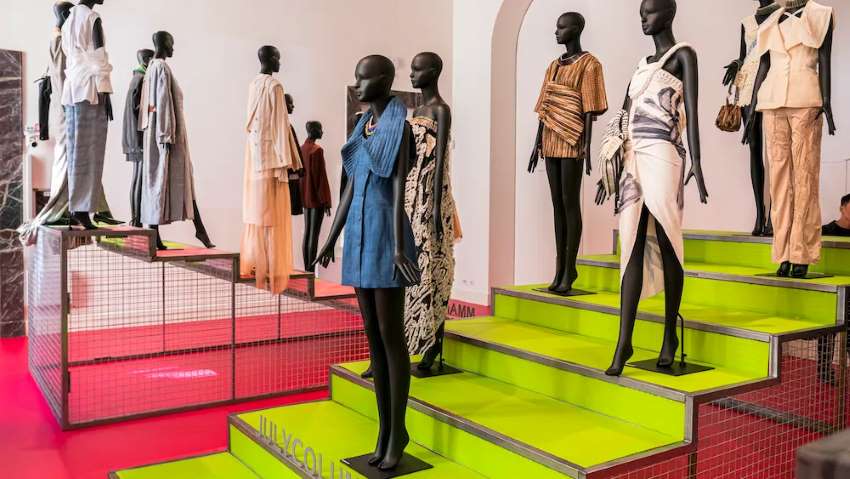
"Mercedes-Benz Fashion Week was held in Russia, March 17 to 17, 2017. More than 30 global fashion industry experts from nine countries gathered to discuss modern trends and the current challenges the industry is facing. The main topic of the conference was the destruction of fashion industry stereotypes, its transformation under the influence of the scientific and technological revolution."

Mercedes-Benz Fashion Week was held in Russia, March 17 to 17, 2017. More than 30 global fashion industry experts from nine countries gathered to discuss modern trends and the current challenges the industry is facing. The main topic of the conference was the destruction of fashion industry stereotypes, its transformation under the influence of the scientific and technological revolution.
For two days global fashion industry experts discussed topics on modern education, foresight and expectations, promotion of young designers, stages of designer workflow, participation in a runway show, technology as the driver for the fashion industry, working with the new tech, starting a business and prospects for brands.

Finalists of the Innovative Solutions for Fashion Industry and Retail contest presented their startup projects. There were also presentations of the global product verification system, virtual tailors, digital 3D solutions for production and selling of clothes, distant cues from a fashion consultant, personal shopping chatbot assistants, functional prosthetic devices as modern fashion accessories and artificial intelligence capable of designing clothes.
The two-day Fashion Futurum international conference was the central stage for the main display of innovative fashion technologies. The business program consisted of panel discussions, public talks, workshops and presentations of startups.
Processing the next step for Mohan Spintex
Mohan Spintex is one the country’s largest vertically integrated textile groups. The Andhra Pradesh-based company opened in 2005 and after spinning and weaving, it is now looking at processing. In weaving it is adept at both narrow and wider width weaving and wants to have a similar expertise in processing. All these capabilities will help the company for a foray into home textiles. Home textiles are an area of focus for the company.
Value addition in terms of quality, consistent supply and committed delivery is what gives Mohan Spintex the competitive edge. The company which counts several major corporates as its clients exports close to 50 per cent of its produce to countries like Bangladesh, Pakistan, China and Europe.
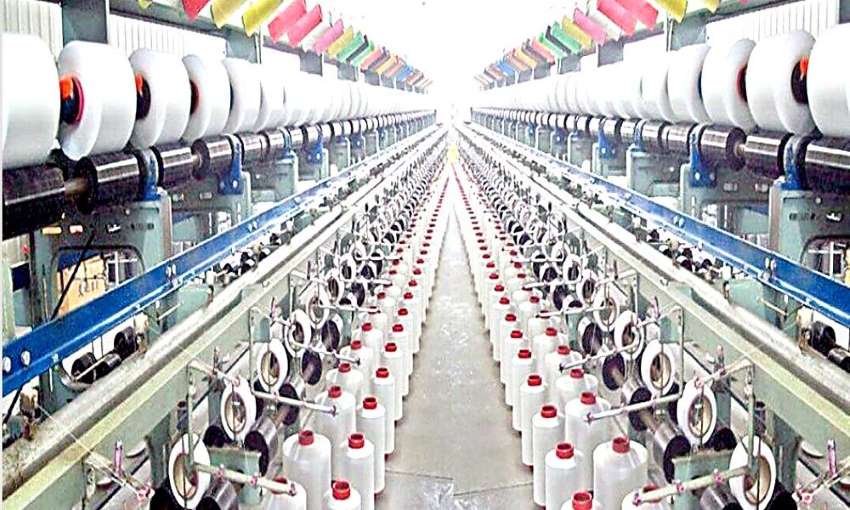
Mohan Spintex today has an installed capacity of 1,20,000 spindles housed in one of the most modern spinning mills in India. From blow room to ring frames, Mohan Spintex makes use of state-of-the-art technology machinery to manufacture products that cater to the needs of the textile industry.
The company has exclusive sections for two for one twisters and ginning. It has the capability to enable seamless manufacture of textile products. Availability and retention of workforce, which have emerged as major challenges in the textile industry, are issues that have been tackled at Mohan Spintex. Quality systems and practices implemented in its manufacturing units, which while enriching the knowledge of the workforce, have helped it retain manpower.
Indian garment exports up three per cent
Readymade garment exports from India (knitwear and woven) between April 1, 2016, and February 28, 2017, grew 3.5 per cent in rupee terms and 0.58 per cent in dollar terms when compared to the same period during the 2015-16 fiscal. Growth was negative in terms of the dollar during the first three quarters of the current fiscal till December 31.
In the case of exports from Tirupur knitwear cluster, garments worth Rs 23,253 crores were exported between April 1 and February 28 this fiscal after exports stood at just around Rs 16,600 crores till December 31. Now, with the sudden surge in exports, the cluster is hopeful of meeting the target of Rs 25,000 crores comfortably by March 31.
If not for the slowdown subsequent to Britain’s decision to exit the European Union, and a few other factors, the cluster could have reached an annual turnover of Rs 28,000 crores. Of the total exports till February end, knitwear alone contributed Rs 50,550.87 crores.
Exporters also feel the time is right for knitwear sector to capture the market that’s leaving China, due to an increase in cost of manufacturing. If the opportunity is missed, the market would be captured by competing countries like Bangladesh, Vietnam, Indonesia and Cambodia.
E-textiles garner revenues
Over the past 20 years, e-textiles have progressed from an academic curiosity to an important technology platform generating revenue for companies globally. The most prominent products are types of compression apparel, where e-textile features are used to introduce sensing (including heart rate, respiration, motion, ECG, EMG, etc.), to provide heating or cooling, to apply current to muscles and potentially several more interesting new functions.
The application landscape is diverse, both in apparel for other sectors (work wear, military, fashion apparel etc.) and beyond apparel for a variety of sectors including medical, industrial and home textiles. Today, many of the most prominent e-textile brands remain relatively young, driven either by recent start-ups, spin-outs from larger companies lower in the value chain, or generally companies outside of the mass-market consumer sector in either textiles or electronics.
Top brands from the sports apparel and consumer electronics industries are adopting different strategies to investigate and eventually adopt e-textile products. With each passing level of development cycle, e-textile products are increasing in maturity, meaning that the risk and overheads required for a large product launch are gradually being eroded. Growing manufacturing know-how and efficiency means that a mass market order for e-textiles will soon be possible.
Creative Group aims to maintain 30 per cent growth till 2020
The Creative Group is a leading textile manufacturer with an annual turnover of Rs 1,000 crores. The Mumbai-based company has been growing by 30 per cent in the last five years. The group has 14 plants across India with over 8,000 skilled employees. Its brand Portico New York, opened in 2000, is into home furnishings. Leaving behind other players in the race, Portico New York has marked its presence at about 1,000 retail stores. The price band ranges from Rs 999 to Rs 15,000 per sheet set.
Reputed designers like Manish Arora, Neeta and Nishka Lulla and others have contributed to the in-house design capabilities of Portico New York. Creative’s textile division has an exclusive facility for yarn dyeing, stitching and made-up processing. Creative as a total group has widespread business interests and a presence in areas like real estate, power generation, organic fertilisers etc.
The group has a yarn processing capacity of 350 metric tons a month, weaving capacity of one lakh meters a day, polyester carpet yarn capacity of 300 metric tons a month. The demonetization drive did not affect textile topline numbers in the third quarter.
Creative’s textile division has an exclusive facility to weave wider width and processing sheeting, dobby and jacquard fabrics meant for international markets. About 15,000 bed sets get exported a day. With capacity expansion in weaving and modernization to close the gap that exists between their weaving and processing capacity and to meet demand with the expansion in garmenting process on cards, both at their Vapi and Dammu plants K N Singh, Executive Director of Creative is confident of maintaining the 30 per cent annual growth rate until 2020 and beyond. The group aims to touch Rs 2,000 crores by 2022.
Bangladesh is top denim exporter to EU
Bangladesh has overtaken China to become the largest denim supplier to the European Union. The country has also become the third largest denim supplier -- after China and Mexico -- to the US. This was possible because of the millions of dollars that local denim fabrics makers have invested to set up state-of-the-art facilities in their plants.
Currently Bangladesh has 30 denim mills for which investment to the tune of a billion dollars has been made. The collective production capacity of the mills is 435 million yards a year. Bangladesh could win in the European denim segment not only for competitive prices but also for the quality of its products, shorter lead times and better commitment.
In terms of denim sales, the US and the UK are two major markets for Bangladesh. Bangladeshi entrepreneurs supply denim products to major global retailers including Levi's, Diesel, G-Star, H&M, Uniqlo, Tesco, Wrangler, s.Oliver, Hugo Boss, Walmart and Gap. The denim sub-sector could play a significant role in achieving the 50 billion dollar export target by the end of 2021.
By 2020, the global denim market will reach $64.1 billion while Bangladesh’s denim exports are forecast to reach $7 billion by the end of 2021.
Sixth Day of the New Season of Mercedes-Benz Fashion Week Russia
The final day of Mercedes-Benz Fashion Week Russia started with a fashion show by H.A.R.D 3.0. ZAVTRA CLUB. H.A.R.D 3.0. ZAVTRA CLUB brand brings together a group of students of Art and Design School laboratory of the National Research Center (Higher School of Economics). For the Fall/Winter season they presented their interpretations of the future of fashion. ZAVTRA CLUB is a joint runway show where each participant shares common style features. The students showcased their ability to design new textures by deconstructing the old ones. As their basic colors, the designers picked white, black, khaki and burgundy.

The final day of Mercedes-Benz Fashion Week Russia started with a fashion show by H.A.R.D 3.0. ZAVTRA CLUB. H.A.R.D 3.0. ZAVTRA CLUB brand brings together a group of students of Art and Design School laboratory of the National Research Center (Higher School of Economics). For the Fall/Winter season they presented their interpretations of the future of fashion. ZAVTRA CLUB is a joint runway show where each participant shares common style features. The students showcased their ability to design new textures by deconstructing the old ones. As their basic colors, the designers picked white, black, khaki and burgundy. The collection features white togas, colorful belt ribbons, fragments of bombers, long sleeve clothing with loose strings, bright capes with various patterns and nosebags. A print with photos of the student designers and ZAVTRA CLUB slogan became emblematic for the collection.
CIAO it's me! Instituto Europeo di Design Graduate Fashion Show consisted of two parts. The first was all about the ultra-modern grunge, a manifest of rebellious spirits. It was about complicated, vivid and asymmetrical feminine images of black and dimmed asphalt colors. The second part featured bright colors, being the positive yet no less rebellious one. The runway say creative t-shirts with the sickle and hammer emblem, men wearing skirts (as an expression of gratitude to the Scottish traditions), as well as a piece of beachwear, a black bikini combined with high knee socks.

Next was The Moscow Fashion Show by Instituto Maragoni's School Of Fashion, Art & Design. VLADISLAV KRIVDIN is all about precise lines and bright highlights. MARNINA MICCI showcased tight lacework clothes, free shapes and easy-to-perceive feeling. TEMILAYO SUBAIR's collection is shrouded it mysterious forest themes. The collection is based on complicated images of natural shades –colors intrinsic to green leaves, wood, as well as shades of orange and grey. LILLA KIRILLA MOLVAN presented to the public her set of precise lines and clear silhouettes featuring leather biker jackets, straight midi skirts and strict hair styles. In her collection the designed relied upon fiery colors from deep yellow, red to coal grey and black. TUGBA AK is a mainly men's denim line of clothing. Vibrant green, pink, orange and yellow details serve as highlights. A collection presented by designer PRAEPLOY SOOKSAWEE expressed the fantasy side of clothing and a combination of femininity features. The runway saw мшщдуе dresses with a gradient to lilac, deep purple, pink and the softest lacework skirts and noble blouses. The catwalk was dominated with harmony and stylish beauty.
The day finished with a show by Slava Zaitsev’s Fasion Laboratory. In her collection GALINA BIRYUKOVA implemented elements of hoslters by using leather details and embroidery, combining all of that with a tinge of fatality added to tantalizing tenderness. DARIA KOZHINA got her inspiration from lava and lightning combining veiling and leather, dimmed shades with the bright ones, grunge with sport luxury. IRINA KRYUCHKOVA named her collection XXI century Cinderella to feature flirtations silhouettes, blackened gold, lacework and velvet capes. MIKHAILOV ALEKSEI's City Smart Dresser collection showcased freedom in comfort by choosing trousers with deep pleats, cosy short overcoats and scarves. BARBARA PLAVINSKY told a story of individual things that reflect elegance and uniqueness of their owners. NIKA SHABASHOVA presented her All That Is Mine with Me All the Time collection defined by easy fit, multi-layer structure and a great variety of details.
Presentation Box showcased an installation by 4BID - Four Body Influenced Designers. Young designers and engineers joined their forces to translate the codes of our body in the language of fashion. The pattern of the iris, fingerprints and an encephalograph can become a print for a dress or help create a shape for accessorize. This will make it possible to take the design to a new level of individualization. Graphic interpretation of emotions will help make clothes that would bear additional symbolic meanings.
Rippling floor-length dresses decorated with beads and embroidery, slim fit tops and soft pastel palette were characteristic of Firdaws runway show that was staged separately at the Petroff Palace. Refined silhouettes and silk kerchiefs decorated with lacework highlighted the chastity and kingliness of the images presented.