FW
Global hosiery market expected to touch $75.71 bn by 2029
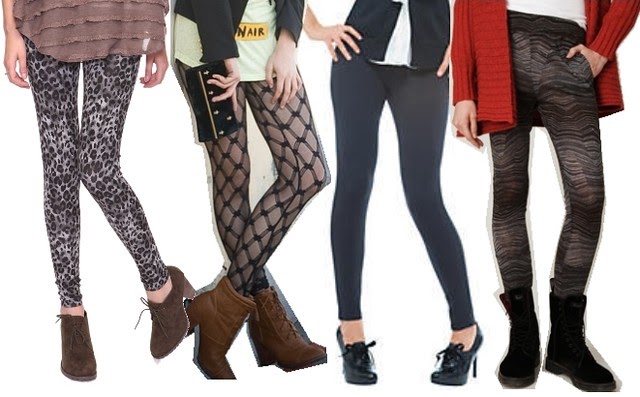
Global hosiery market, encompassing socks, stockings, tights, and leggings, is expected to reach $75.71 billion by 2029, thanks to a perfect blend of comfort, fashion, and function.
The rise of dance culture is fueling demand for specialized hosiery. Dancers, from professionals to enthusiasts, crave flexibility, breathability, and a touch of flair, driving innovation in this niche.
With eco-consciousness among consumers, the industry is moving towards green options. Biodegradable fibers, organic cotton blends, and recycled materials are replacing traditional fibers, while brands are adopting sustainable practices across the board.
Asia-Pacific leads the pack, with rising disposable incomes and a growing middle class fueling the demand for effective leg and foot wear. But the beat is global, with North America and Europe also showing strong steps.
While all segments are growing, socks are the undisputed leader, thanks to their practicality and versatility. Upright hosiery, used for efficient fabric care, is also gaining traction, especially in households and businesses.
Despite the e-commerce boom, physical stores remain the go-to destination for hosiery shoppers. Technology is adding a new spin, with interactive experiences and personalized recommendations keeping customers coming back for more.
Major players like Hanesbrands, Jockey International, and Spanx are strutting their stuff with strategic expansions, innovative products, and a focus on sustainability. The hosiery market is no longer just about keeping feet warm. It's a dynamic dance of comfort, style, and eco-consciousness, with each step propelling it towards a bright and fashionable future.
Eco fibers market to boom, reaching $108.6 billion by 2032
Eco fibers are taking the textile world by storm, with the market projected to reach a whopping $108.6 billion by 2032, driven by rising demand from the textile industry and a growing focus on sustainability. This 7.5% annual growth is fueled by the eco-conscious shift in consumer preferences and the industry's push for resource efficiency.
Textiles lead the charge, soaking up over 40% of the market share. Organic cotton, hemp, bamboo, and recycled polyester are finding their way into clothing, bedding, and furnishings, appealing to environmentally aware consumers. But the love for eco fibers isn't limited to wardrobes; household applications are also embracing these sustainable materials.
However, challenges remain. The high price of eco fibers compared to their synthetic counterparts can be a stumbling block. But innovation is stepping in, with advancements promising to bring down costs and unlock new opportunities.
The Russia-Ukraine war casts a shadow, disrupting the supply chain, particularly for natural fibers like hemp and flax. This could lead to price fluctuations and force manufacturers to rethink sourcing strategies.
Despite these hurdles, the future looks bright for eco fibers. The regenerated segment, made from recycled materials, is expected to maintain its dominance, driven by the focus on circular economy principles. And with Asia-Pacific leading the charge, with over half the market share and a projected 7.7% annual growth, the region is poised to remain the eco-fiber powerhouse.
Overall, the eco fibers market is on a sustainable growth trajectory, driven by consumer demand, industry innovation, and a global shift towards environmental responsibility. As the market matures and costs decrease, expect to see eco fibers woven into the fabric of our everyday lives.
BASF and Inditex unveil world's first recycled nylon jacket
In a major breakthrough for sustainable fashion, BASF and Inditex have teamed up to create the world's first jacket made entirely from recycled nylon waste. This revolutionary fabric, called loopamid, offers a closed-loop solution for nylon apparel, marking a significant step towards a more circular textile industry.
The 100% loopamid jacket, currently available at Zara stores worldwide, embodies a "design for recycling" approach. Every component, from the fabric and buttons to the zipper and filling, is crafted from this innovative recycled nylon.
BASF's cutting-edge technology behind loopamid allows textile-to-textile recycling of both post-industrial and post-consumer waste. It tolerates various fabric mixtures, including PA6 and elastane, and the recycled fibers retain the same quality as virgin polyamide. This opens doors for large-scale nylon recycling, a long-standing challenge in the industry.
"BASF has reached a milestone towards circularity in fashion," says Dr. Ramkumar Dhruva, President of BASF's Monomers division. "Loopamid has the potential to revolutionize the PA6 market, and we're scaling up production to meet demand."
Inditex played a crucial role in integrating loopamid into various garment components. They partnered with manufacturers like RadiciGroup, YKK, and Velcro to transform the polymer into yarns, zippers, and fasteners. ModaRe, a clothing take-back program, provided the recycled textile feedstock.
"Innovation is key to a more responsible fashion industry," says Javier Losada, Inditex's Chief Sustainability Officer. "This collaboration shows how we can turn waste into a resource. But to truly close the loop, we need improved collecting and recycling capacities for post-consumer waste."
Both BASF and Inditex have ambitious sustainability goals. BASF aims to double its circular economy solutions sales to €17 billion by 2030, while Inditex targets 100% of its products to be made from sustainable materials by the same year. Loopamid marks a significant step towards achieving these goals and paves the way for a more sustainable future for fashion.
Cotton candy prices bounce back despite consumption woes
Cotton candy prices saw a sweet gain of 0.76% today, settling at 55,660. This rebound comes after facing pressure from a dip in world consumption forecasts for the season. The expected 1.3 million bale drop is blamed on lower demand from India, Indonesia, and other key players.
However, a surprise surge in world-ending stocks, up by 2 million bales, provided much-needed support. This boost was driven by higher production and beginning stocks, partially offsetting the consumption slowdown.
India's cotton association held steady on its domestic consumption and pressing estimates for the season. Meanwhile, Brazil's historic cotton production in 2023 added to the global supply glut.
Despite this abundance, sluggish demand and economic woes kept a lid on prices. However, a decline in pink bollworm infestation in India's cotton crop offered some hope.
Technically, the market saw short covering, with open interest unchanged. Cotton candy is finding support at 55,300, with potential downside to 54,950. Resistance lies at 55,900, with a possible climb to 56,150.
In short, cotton candy prices enjoyed a temporary reprieve amidst a challenging global market. Whether this sweetness lasts depends on how demand plays out in the coming months.
Filo and Milano Unica team up for upcoming textile trade show
From Jan 30-Feb 1, 2024, Filo returns to Milano Unica, a prestigious textile trade show in Milan. This longstanding collaboration between the two events highlights their shared commitment to sustainable creativity and innovation within the fashion industry.
Filo's presence in Pavilion 8 of the "MU+" area showcases yarns from companies participating in their sustainability initiative, FiloFlow. This focus on eco-conscious practices reflects the growing demand for ethical and responsible production in the textile sector.
Beyond sustainability, Filo and Milano Unica also unite in their vision for the future of the industry. Challenges like training, digitalisation, and even Artificial Intelligence are on the agenda. As Paolo Monfermoso, Head, Filo, states, artificial Intelligence holds immense potential for unlocking new avenues in sustainable creativity.
Filo presents ‘Alchemies,’ a video inspired by the ‘Creative Dialogues’ of Gianni Bologna, exploring the intersection of art, technology, and fashion. This artistic expression underscores the importance of human ingenuity in driving innovation alongside sustainable practices.
In essence, Filo and Milano Unica's partnership offers a glimpse into the future of textiles. It's a future where sustainability and innovation intertwine, powered by technology and human creativity. By joining forces, these two influential players in the industry pave the way for a more conscious and responsible fashion landscape.
Salvatore Ferragamo appoints new CFO
Luxury fashion house Salvatore Ferragamo has appointed Pierre La Tour as its new Group CFO, effective March 18, 2024. This marks a bold move for the Italian label, as La Tour brings a wealth of financial expertise from outside the fashion industry.
La Tour boasts an impressive career spanning non-profit, finance, and manufacturing sectors. He began his journey in microfinance with the Aga Khan Foundation, then transitioned to Société Générale and ultimately landed at FIAT.
His climb through the ranks at FIAT culminated in his appointment as CFO China for CNH Industrial, a subsidiary focused on agricultural and construction machinery. La Tour's most recent role was as CFO of Biesse, an industrial equipment supplier, where he honed his skills in financial reporting and investor relations.
Ferragamo, currently led by CEO Marco Gobbetti, is in the midst of a transformation. La Tour's diverse background and strategic responsibilities, encompassing administration, finance, control, and investor relations, suggest a desire to inject fresh perspectives into the company's financial operations. This aligns with the appointment of Maximilian Davis as creative director in March 2022, another move signaling a shift towards a new era for the brand.
La Tour financial acumen and strategic insights could help Ferragamo navigate the competitive landscape and achieve its financial goals.
AEPC seeks measures to boost garment exports in Budget 2024
The Apparel Export Promotion Council (AEPC) is lobbying the Indian government for tax incentives and other support measures to boost domestic garment manufacturing and exports in the upcoming Union Budget 2024.
The council’s key requests include a uniform 5 per cent GST rate across the entire Man-Made Fibre (MMF) supply chain to address liquidity issues for small and medium enterprises (MSMEs) caused by the current tiered tax structure.
The council has also sought an increase in interest equalization rate for non-MSME exporters from 2 per cent to 5 per cent, lowering their borrowing costs and improving competitiveness.
Another of AEPC’s recommendations includes a budgetary support for branding and marketing: Promoting ‘made-in-India’ apparel globally would enhance visibility and potentially increase demand.
The council has also urged the government to include specific items like drawstrings, elastic bands, and metal tabs in the duty exemption list.
Further, it has sought a minimum wastage allowance under Import of Goods at Concessional Rates (IGCR) rules: This would address challenges in accurate wastage estimation and simplify customs procedures.
The AEPC's proposals will be submitted ahead of the upcoming Indian budget on February 1st. The government's response will determine the extent to which these measures are implemented, potentially shaping the future of India's apparel export industry.
Sri Lanka’s apparel exports to reach $4.5 billion in 2024: JAAF
The Joint Apparel Association (JAAF) expects Sri Lanka’s apparel exports to reach $4.5 billion in 2024, with a potential uptick in the second half. The association emphasises the importance of maintaining cost competitiveness, improving ease of doing business, and achieving macro-economic stability for sustained growth.
While Sri Lanka's apparel exports faced challenges in 2023, ending the year with a 19 per cent decline compared to 2022's record high, there were promising signs of rebound in December. The final month saw the highest export figure since December 2022, reaching $415.6 million.
The industry's slowdown was attributed to global factors like inflation and recessionary fears impacting consumer spending and leading to high inventory in major markets. However, December's strong performance suggests a potential turnaround.
Despite the overall decline, there were some bright spots in terms of export destinations. While exports to the US and EU (excluding UK) saw significant decreases, the UK and ‘other countries’ categories showed marginal improvements in December. Notably, exports to the UK rose for the second consecutive month, increasing by 20 per cent in November and 1.7 per cent in December.
The decline in imports of textiles and textile articles further suggests a shift towards domestic production and potentially increased competitiveness for Sri Lankan apparel exports.
Overall, while 2023 presented challenges, the final months of the year and early indications for 2024 suggest a potential recovery for Sri Lanka's apparel industry. Continued efforts to improve cost competitiveness, ease of doing business, and macro-economic stability will be crucial for long-term success.
India's fashion e-commerce market to grow at 34% CAGR from 2023-30
Fueled by the rising penetration of internet and smartphones in the country, India's online fashion market is projected to grow by 34 per cent CAGR from 2023-2030 to reach $18.76 billion by 2030. As per a report by CoherentMI, this growth will be driven by fashion influencers dictating trends and influencing millions with their curated feeds driving sales sky-high.
Giants like Myntra, Ajio, Flipkart, and Amazon are ruling the roost, offering a vast array of products to cater to every taste and budget. They're also getting creative, with Myntra's monthly ‘funfair’ deals and Ajio's ‘Gold’ loyalty program keeping customers hooked.
The market is diversifying with footwear, accessories, beauty products, and even jewelry. Catering to a wider range of consumers, the market opens up exciting new avenues for growth.
The future is bright for those looking to tap into the specific needs of different customer segments. With men's fashion leading the charge, there's immense potential in women's, unisex, and kids' fashion, catering to evolving lifestyles and growing purchasing power.
Miami Fashion Week returns with a focus on streetwear and sustainability
Returning its 26th year, Miami Fashion Week (MIAFW) will be held from January 24- 27, 2024. This year's event will be bigger and better than ever, with a new focus on streetwear and sustainability.
One of the most exciting things about MIAFW 2024 is the inclusion of Karl Kani, the ‘Godfather of Urbanwear,’ as the official featured designer. Kani will showcase his signature designs in a dedicated runway show. This is the first time that MIAFW has ever featured a streetwear designer, and it's sure to be a highlight of the event.
In addition to the runway shows, MIAFW 2024 will also host a Summit led by changemakers who are paving the way for sustainable style. The agenda includes thought-provoking discussions aimed at fostering a more eco-friendly approach to fashion.
MIAFW is committed to community building, and this year's event will feature a number of initiatives that support the Miami creative landscape. With support from the Miami-Dade County government, MIAFW 2024 aims to contribute to the enrichment of the local community.