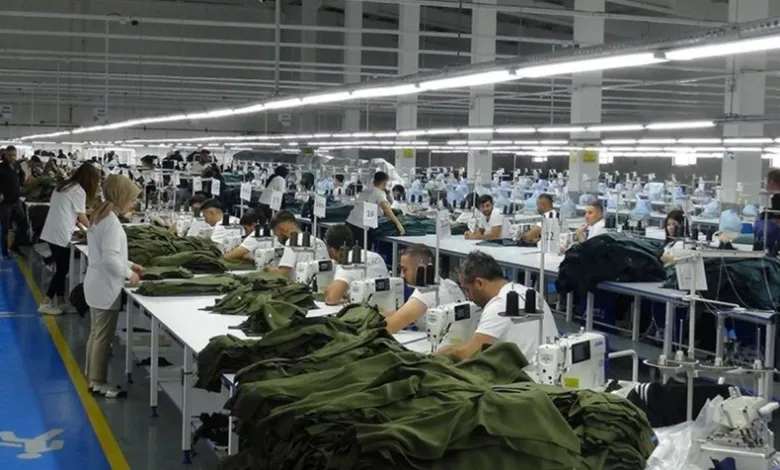
Accord and Alliance have so far severed business relations with 217 Bangladeshi readymade garment factories on grounds of unsafe working conditions. Alliance is a coalition of North American retailers. Accord is a grouping of EU retailers. The groups are interested in structural, electrical and fire safety initiatives at the factories from where they procure products. They have conducted safety inspections at more than 2,600 factories in Bangladesh following the Rana Plaza building collapse in April 2013.
The Accord conducted initial safety assessment at 1,850 factories while the Alliance inspected 775 readymade garment units. During the inspection, Accord and Alliance referred 150 factories to a government-set review panel consisting of representatives from the government, Accord, Alliance, suggesting evacuation as the retailers’ inspection teams got critical findings in the units.
Out of the 150 factories, 39 were closed, 42 factories were partially closed and 69 factories were allowed to operate with some conditions. After completing the initial assessment the initiatives provided corrective action plans to the factory owners with certain timeframe to fix the safety faults. According to them most the factories remain behind schedule. Accord said a total of 207 factories completed all structural safety remediation. Alliance said 75 per cent of all safety issues including 68 per cent of all high priority issues were fixed in its listed factories.

- 1
- 2
- 3
- 4
- 5
- 6
- 7
- 8
- 9
- 10
China’s apparel retreat opens $60 bn gap, but India captures little
The biggest shift in global apparel sourcing over the past 15 years has produced an uncomfortable paradox for India. China... Read more
Global fashion bets big on India as consumer confidence leads world
Global fashion retailers are reassessing growth priorities as India moves away from the weaker consumer scenario prevailing across several mature... Read more
Turkiye’s textile crisis opens new frontiers for Egypt and South Asia
The suspension of production at Orta Anadolu’s spinning and weaving complex in Kayseri in mid-September, followed by its scheduled permanent... Read more
Europe cuts apparel volumes and prices, testing South Asian suppliers
European apparel sourcing entered 2026 under simultaneous volume and price pressure, forcing suppliers to absorb a decline that is reshaping... Read more
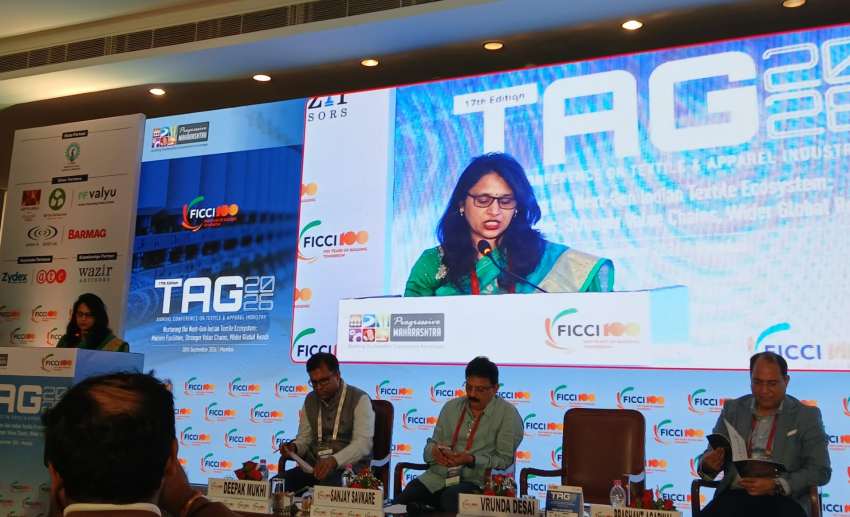
FICCI-TAG 2026: Mandatory reporting & Textile ID rolled out; Non-Compliance …
In a stern regulatory announcement aimed at creating a robust statistical backbone for India's textile sector, Textile Commissioner Vrunda Manohar... Read more
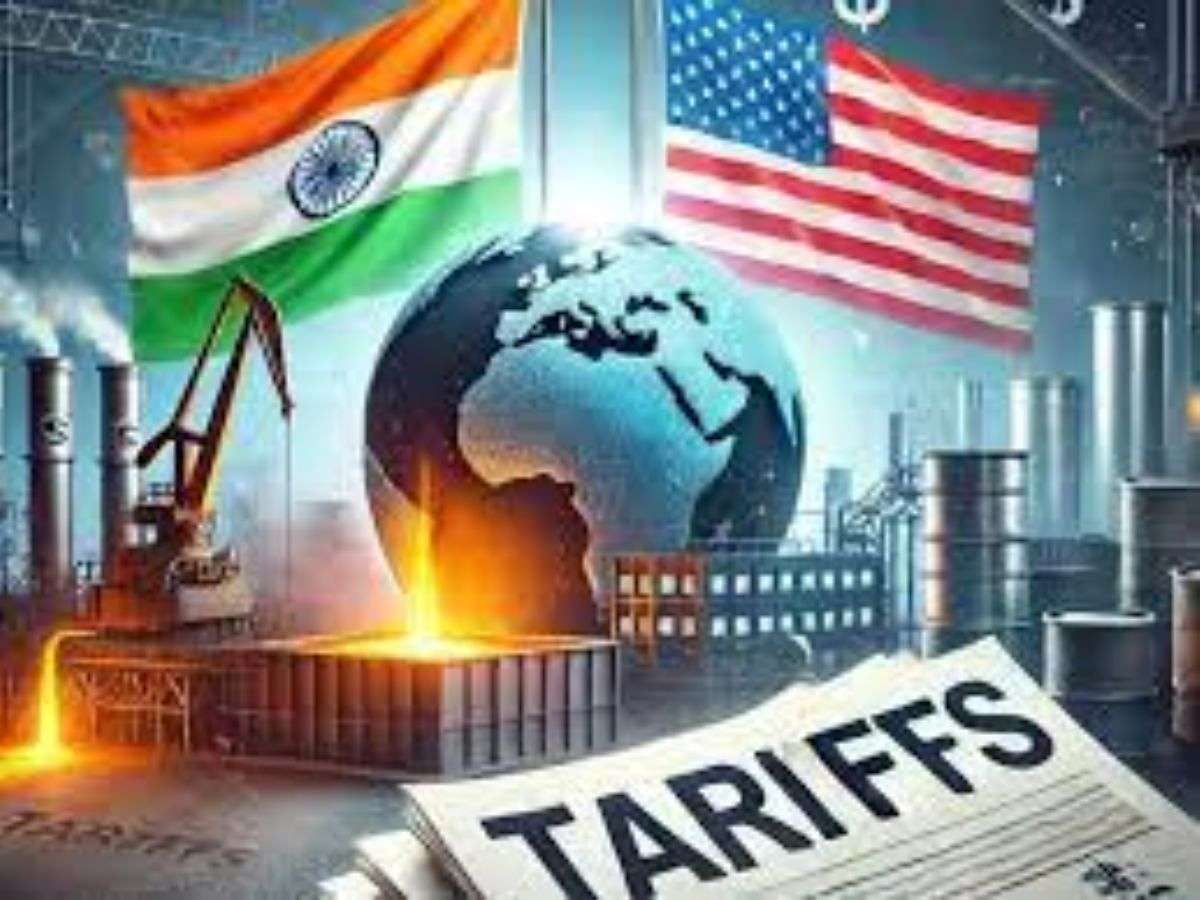
India’s apparel exporters face a new US tariff risk as margins shrink
The enactment of the Lindsey O. Graham sanctioning Russia and Iran Act of 2026 in Washington has introduced a fresh... Read more
Cellulosics challenge polyester dominance in global fibre market
The global textile raw-materials market has entered a phase where plant-based and regenerated cellulosic fibres have gain ground against fossil-fuel-derived... Read more
From cotton to MMF cost equation is rewriting global textile trade
The global textile and apparel trade has grown from $560 billion in 2006 to $914 billion in 2025, reveals the... Read more
Polyethylene stretch yarn challenges elastane’s hold on activewear
The global activewear, denim and intimate apparel markets have built a substantial business around stretch. But the same fibre combinations... Read more
Automation Meets Italian Design: FFI Srl unveils ‘Next-Gen Robotics’ to help bra…
At the recently concluded autumn edition of Ready to Show inside Hall 10 at Fiera Milano-Rho—staged alongside the Milano Fashion... Read more