In 2015-16, the Indian sportswear market grew 22 per cent, outpacing the segment’s global increase of seven per cent. By 2020, it is expected to grow at 12 per cent CAGR. Nearly 80 per cent of India’s sportswear market is dominated by global brands like Adidas, Reebok, Nike and Puma, with others such as Under Armour, Fila and Lotto, domestic multi-brand sportswear retailers like Planet Sports and Royal Sporting House, and emerging local players, collectively battling for the remaining 20 per cent.
Between the Big Four, Adidas currently holds a 45 per cent market share, operating 760 stores through the franchise mode. Competitors like Puma and Nike also run their operations in the country through franchising — all of Nike's 200 outlets are licensed by local franchising partners.
Driven by the country's growing wealth, changing lifestyles, and rising urbanisation, an increasing amount of Indian consumers are becoming more health conscious. This makes the country’s sportswear sector increasingly attractive to a host of local and international brands. Over the years, a flood of local franchisees have got into business with aspirational sportswear brands, facilitating a rapid expansion of their presence throughout India.
Between 2015-16, sportswear in metro and Tier II and III cities grew close to 80 per cent. The footwear category grew 100 per cent for metro and Tier II cities and there’s also a strong demand from Tier III cities which grew over 110 per cent.

- 1
- 2
- 3
- 4
- 5
- 6
- 7
- 8
- 9
- 10
India’s $9 Billion Landfill Blind Spot How trashed clothes hold the key to globa…
A massive economic windfall is sitting uncollected in India’s landfills, and the key to unlocking it lies in rethinking how... Read more
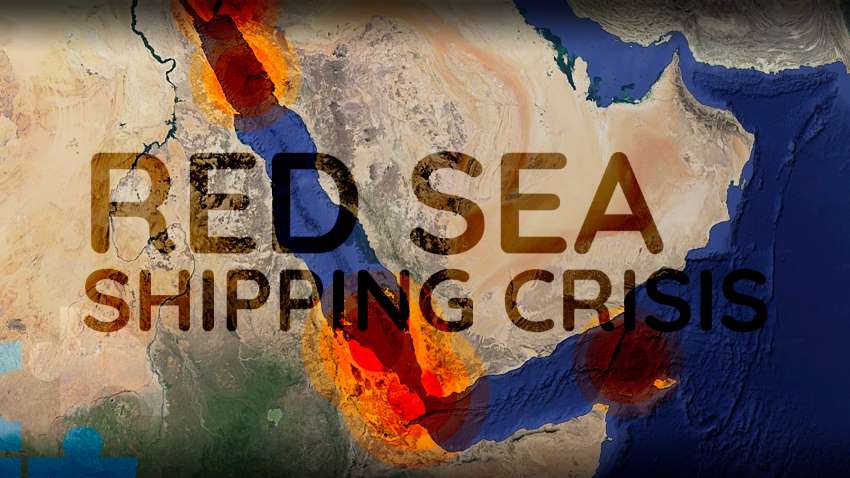
Red Sea crisis reshapes textile trade routes, challenges India’s export margins,…
Global apparel trade is now in a new operational phase where geopolitical stability and logistics reliability are as important as... Read more
EU’s textile waste rules enter enforcement phase, raising alarms across fashion …
Europe’s apparel and textile industry is approaching one of its most significant regulatory transitions in decades. As the European Union... Read more
Corporate fashion adopts reverse logistics to unlock the $367 bn resale market
Global fashion retailers are rapidly changing their business models around resale, repair, and textile recovery as the secondhand apparel market... Read more
Tariff Shock 2026: Forced-labor enforcement is repricing global fashion trade
Washington’s latest trade intervention signals a break in the global apparel sourcing patterns. The Office of the United States Trade... Read more
Circular Samvaad 2.0 aims to transform Indian textiles from linear waste to glob…
On the occasion of World Environment Day, industry leaders, policymakers, and international experts gathered in the capital yesterday for Circular... Read more
From Sentiment to Sustainability: How Mumbai’s ‘Mega Post Textile Waste Initiat…
Walk into almost any Indian household, and you will find wardrobes harboring clothes that haven’t been worn in years. They... Read more
CMAI launches new initiative to combat waste and formalize textile recovery acro…
In a landmark move to address the mounting crisis of post-consumer textile waste, the Clothing Manufacturers Association of India (CMAI)... Read more
Trends-Fabrics (Denim-Kidswear) trends for Spring/Summer 2026-27 by Drapers
For the Spring/Summer 2026-27 season, the kidswear denim market is defined by a shift toward lightweight comfort, playful aesthetics, and... Read more
Cost spiral across fibers, chemicals and logistics squeezes India’s apparel expo…
India’s textile manufacturing sector has entered one of its most financially strained periods in recent years as increasing fiber, yarn,... Read more