The total turnover of the German textile and fashion industry grew by 0.2 percent in 2016 compared to 2015 touching €32 billion counting the shoe and leather goods industry. The diverging developments of the various segments are once again striking. Sales of textiles rose 2.9 per cent, increasing considerably. As Ingeborg Neumann, President of the Confederation of the German Textile and Fashion Industry, explained the strongest segments are primarily non-woven fabrics and technical textiles for application in medical and structural engineering, automotive industry, and aeronautics. German enterprises are globally leading in this regard. Furthermore, smart textiles provide new markets for a long-term future. As per Gerd Oliver Seidensticker, President German- Fashion Association points out in 2016, the German fashion industry faced many challenges both domestically and abroad. But the good thing is the exports are doing well again. Big losses in strong markets like Russia were compensated elsewhere which led to a slight increase in exports by 1.4 per cent. As for the future, its important to keep an eye on structural changes in sales at trade level. The target is to provide customers with service- and customer-oriented shopping experiences by using the opportunities of e-commerce and stationary trade. Globally, German products enjoy strong demand. Textile and fashion exports rose 1.2 per cent. Next to strong and attractive German fashion brands, technical textiles are primarily responsible for the growth. The export volume settled at a record level of €26.6 billion in 2016.


- 1
- 2
- 3
- 4
- 5
- 6
- 7
- 8
- 9
- 10
Spykar accelerates offline expansion: plans 100 new stores across India

A titan of the Indian denim-first fashion scene, Spykar has officially unveiled an aggressive retail growth strategy. As consumer demand... Read more
The Inventory Illusion: Rethinking the Zara benchmark in a volatile retail era
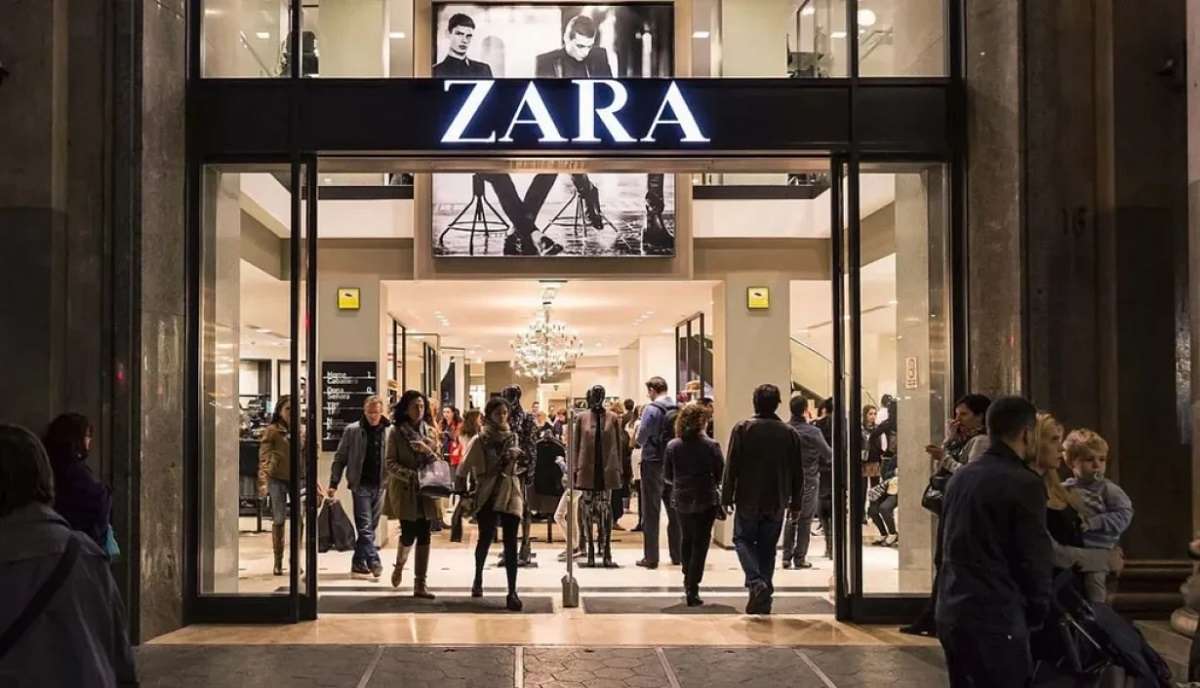
For over a decade, the global fashion industry has treated the Zara playbook as the gold standard of inventory efficiency.... Read more
Retail Without Retail: How Walmart’s depot network is turning space into logisti…

Walmart is fundamentally rewriting the commercial real estate and retail logistics playbook with the rise of its ‘Walmart Depots’ a... Read more
Global textile regulation tightens, forcing realignment across fashion supply ch…
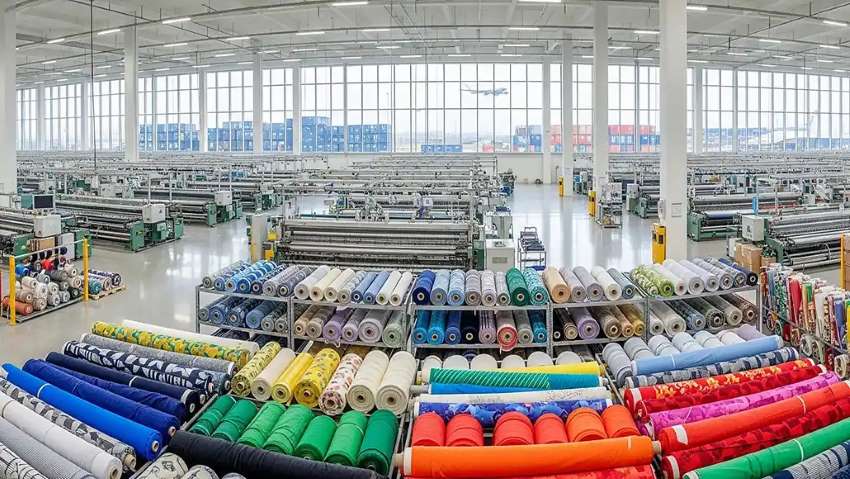
Global fashion and consumer goods supply chains are entering a decisive regulatory transition as Extended Producer Responsibility (EPR) frameworks for... Read more
Luxury’s new power axis, US dominance, China reset, Gulf surge
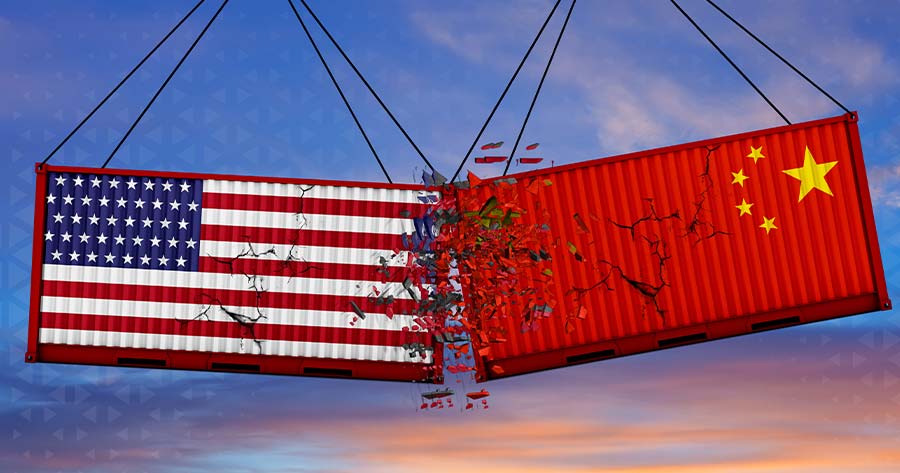
As the post-China luxury order takes shape, the US is emerging as the industry’s most dependable growth engine, while Japan,... Read more
India’s $9 Billion Landfill Blind Spot How trashed clothes hold the key to globa…

A massive economic windfall is sitting uncollected in India’s landfills, and the key to unlocking it lies in rethinking how... Read more
Red Sea crisis reshapes textile trade routes, challenges India’s export margins,…
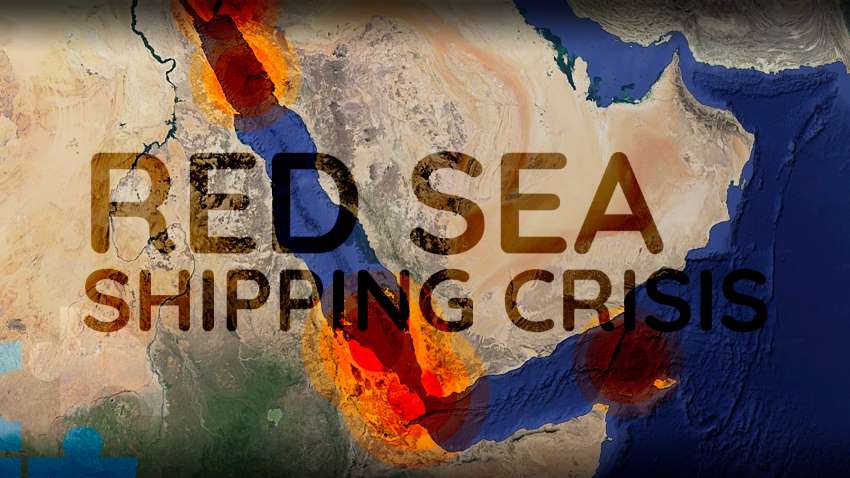
Global apparel trade is now in a new operational phase where geopolitical stability and logistics reliability are as important as... Read more
EU’s textile waste rules enter enforcement phase, raising alarms across fashion …
Europe’s apparel and textile industry is approaching one of its most significant regulatory transitions in decades. As the European Union... Read more
Corporate fashion adopts reverse logistics to unlock the $367 bn resale market

Global fashion retailers are rapidly changing their business models around resale, repair, and textile recovery as the secondhand apparel market... Read more
Tariff Shock 2026: Forced-labor enforcement is repricing global fashion trade
Washington’s latest trade intervention signals a break in the global apparel sourcing patterns. The Office of the United States Trade... Read more

