The European Union has threatened suspension of trade privileges for Bangladesh if labor standards are not improved further. The suspension would mean that Bangladesh would have to pay 12.5 per cent duty for exports to the 28-nation bloc.
At present, the country enjoys zero-duty access under the EU's Everything But Arms (EBA) scheme.
Bangladesh will need to demonstrate that it is taking concrete and lasting measures to ensure that labor rights are respected.
Under GSP (Generalised System of Preferences) regulation, beneficiaries are required to respect international principles of human rights and labor rights in order to continue to benefit from this preferential trade regime with the EU.
The EU wants Bangladesh to address issues pertaining to freedom of association and collective bargaining. It has called for full freedom of association for workers in the export processing zones, and allowing workers' organisations to associate with their counterparts from outside the export processing zones.
In 2015, Bangladesh was by far the largest exporter to the EU under the EBA scheme. The country accounted for 65.7 per cent of the EBA exports.
Last fiscal year, Bangladesh's exports to the EU stood at 18.68 billion dollars , which is 54.57 per cent of total exports in the 12-month period.

- 1
- 2
- 3
- 4
- 5
- 6
- 7
- 8
- 9
- 10
Retail Without Retail: How Walmart’s depot network is turning space into logisti…
Walmart is fundamentally rewriting the commercial real estate and retail logistics playbook with the rise of its ‘Walmart Depots’ a... Read more
Global textile regulation tightens, forcing realignment across fashion supply ch…
Global fashion and consumer goods supply chains are entering a decisive regulatory transition as Extended Producer Responsibility (EPR) frameworks for... Read more
Luxury’s new power axis, US dominance, China reset, Gulf surge
As the post-China luxury order takes shape, the US is emerging as the industry’s most dependable growth engine, while Japan,... Read more
India’s $9 Billion Landfill Blind Spot How trashed clothes hold the key to globa…
A massive economic windfall is sitting uncollected in India’s landfills, and the key to unlocking it lies in rethinking how... Read more
Red Sea crisis reshapes textile trade routes, challenges India’s export margins,…
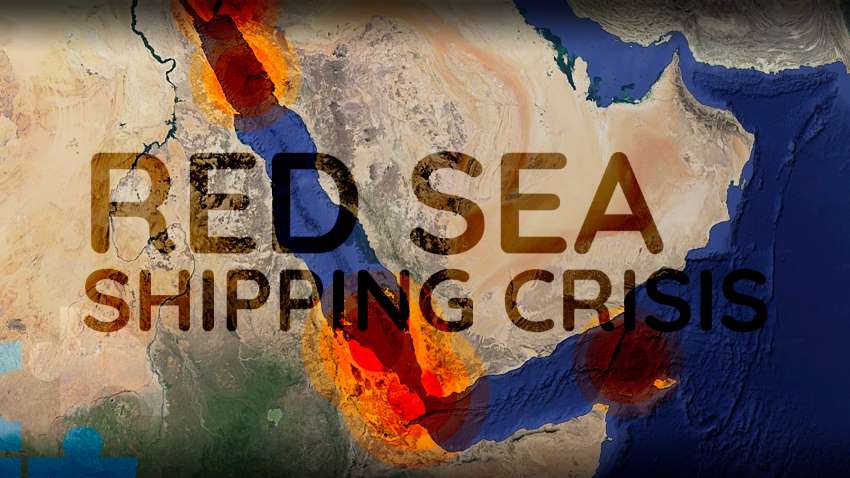
Global apparel trade is now in a new operational phase where geopolitical stability and logistics reliability are as important as... Read more
EU’s textile waste rules enter enforcement phase, raising alarms across fashion …
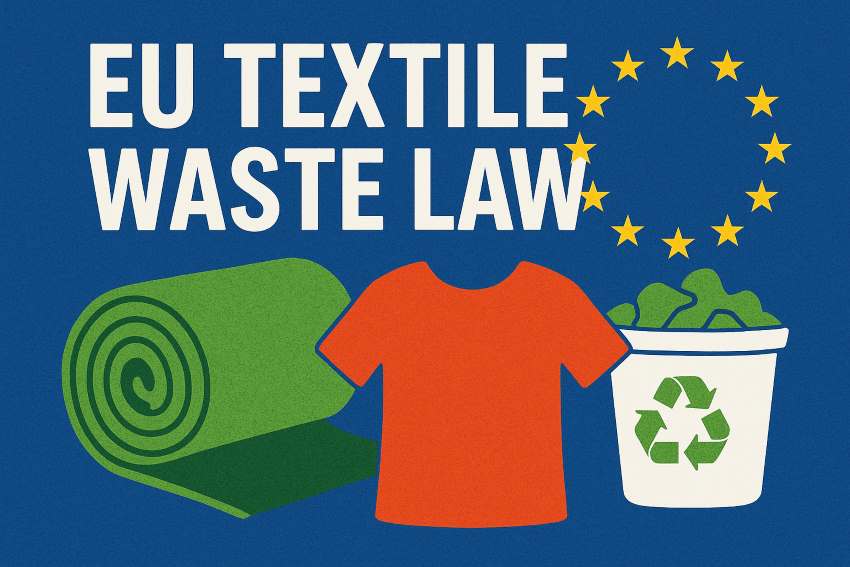
Europe’s apparel and textile industry is approaching one of its most significant regulatory transitions in decades. As the European Union... Read more
Corporate fashion adopts reverse logistics to unlock the $367 bn resale market
Global fashion retailers are rapidly changing their business models around resale, repair, and textile recovery as the secondhand apparel market... Read more
Tariff Shock 2026: Forced-labor enforcement is repricing global fashion trade
Washington’s latest trade intervention signals a break in the global apparel sourcing patterns. The Office of the United States Trade... Read more
Circular Samvaad 2.0 aims to transform Indian textiles from linear waste to glob…
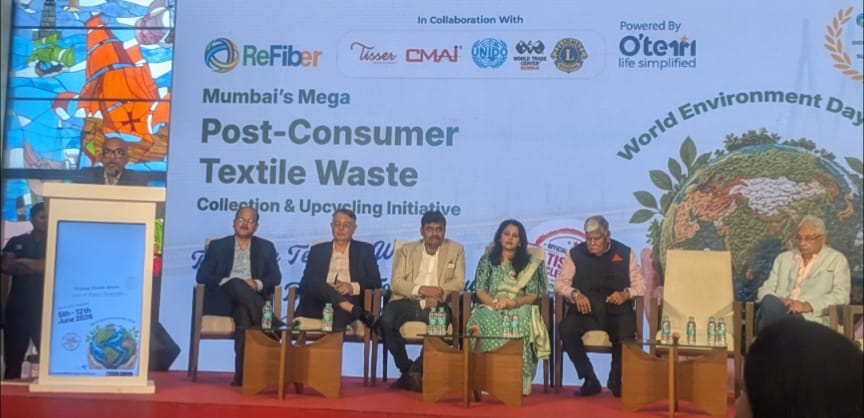
On the occasion of World Environment Day, industry leaders, policymakers, and international experts gathered in the capital yesterday for Circular... Read more
From Sentiment to Sustainability: How Mumbai’s ‘Mega Post Textile Waste Initiat…
Walk into almost any Indian household, and you will find wardrobes harboring clothes that haven’t been worn in years. They... Read more