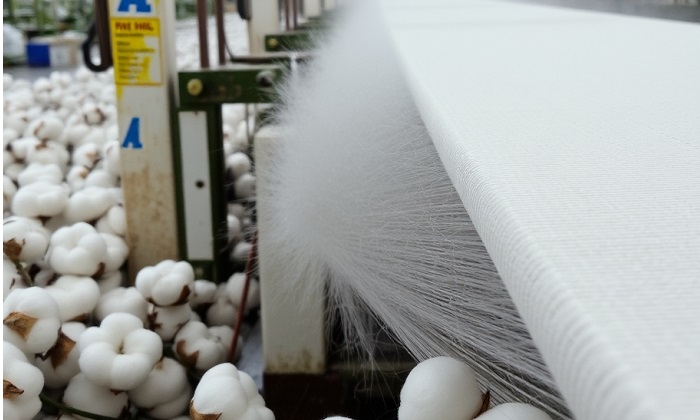
The Indian textile and apparel (T&A) industry is currently navigating a period of intense fiscal strain following the reinstatement of an 11 per cent cotton import duty on January 1, 2026. Coupled with the 50 per cent US tariff on Indian textile imports active since August 2025, this policy shift has placed the sector’s global competitiveness at a critical juncture.
Supply constraints and production shortfalls
Domestic cotton production is projected to hit a two-decade low this season, intensifying the demand-supply gap. The Confederation of Indian Textile Industry (CITI) recently petitioned Union Agriculture Minister Shivraj Singh Chouhan for a permanent waiver of import duties. Industry leaders argue that imported cotton - typically accounting for only 6.8 per cent of domestic consumption - serves specialized high-value export orders rather than displacing local crops.
Eroding competitive parity in global markets
Indian manufacturers face a structural disadvantage compared to regional rivals. Nations like Bangladesh and Vietnam continue to offer duty-free access to raw cotton, granting their exporters a 10–15 per cent cost advantage. With the US absorbing nearly 28 per cent of India's textile exports (valued at $11 billion in FY25), the added 11 per cent duty on raw materials further erodes the slim margins of domestic MSMEs already struggling under the weight of trade barriers.
Strategic outlook and budget expectations
As the Union Budget 2026 approaches, the sector is lobbying for a predictable policy roadmap to unlock private capital. A permanent duty removal is seen as essential to prevent a potential 30 per cent decline in order volumes. The government’s response will determine if the industry can reach its ambitious $350 billion valuation target by 2030.
India’s textile industry is the nation’s second-largest employer, supporting over 45 million livelihoods. With a current market size of approximately $174 billion, it dominates global exports in cotton-based apparel and home textiles. The sector is currently transitioning toward high-performance technical fibers and sustainable manufacturing to offset rising raw material costs.